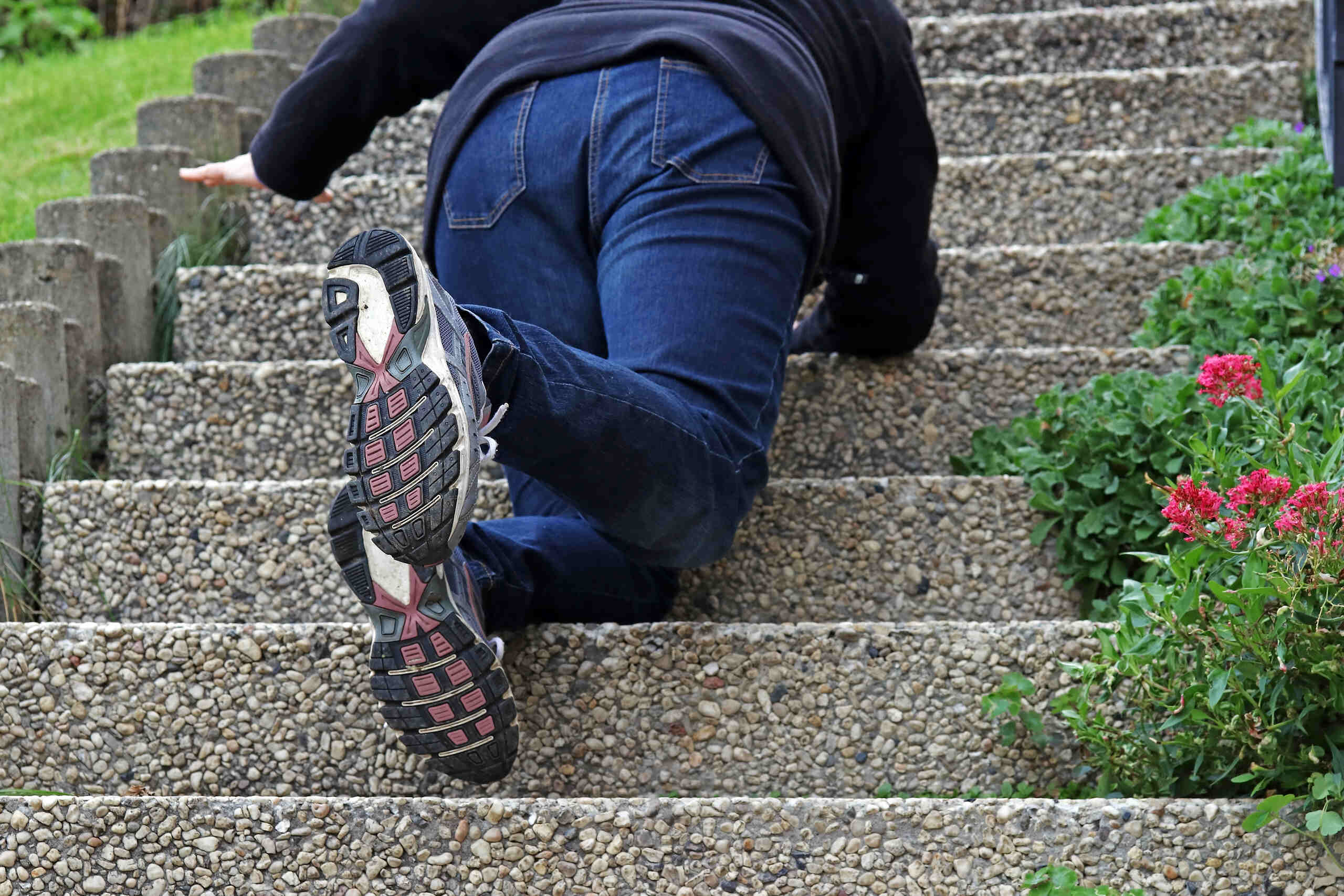
A property owner or occupier can be responsible for your injuries when a dangerous condition causes an accident, and they failed to meet the duty Oklahoma law required under the circumstances. But simply being injured on someone else’s property does not automatically make the owner liable.
One of the first questions in an Oklahoma premises liability case is why you were on the property. Oklahoma law classifies visitors as invitees, licensees, or trespassers, and that classification affects the duty the property owner owes you.
Under Oklahoma premises liability law, an owner or occupier may be responsible when a dangerous property condition causes an injury, and the law requires that person or business to address the hazard or warn you about it. The duty you are owed depends partly on whether Oklahoma law considers you an invitee, licensee, or trespasser.
Premises liability is the area of negligence law dealing with injuries caused by dangerous conditions on property. Claims can arise at grocery stores, restaurants, apartment complexes, parking lots, hotels, private homes, swimming pools, entertainment venues, and many other locations.
The person responsible for the property is not an insurer of everyone’s safety. Instead, liability generally depends on whether the defendant owed you a duty, breached that duty, and caused an injury as a result.
The exact duty is where Oklahoma premises cases become more complicated. Rather than imposing one obligation for everyone on the property, Oklahoma law considers your legal status while you were there.
Oklahoma courts traditionally use three classifications—invitee, licensee, and trespasser—to determine a property owner’s duty. The Oklahoma Supreme Court has continued to recognize this three-part system in modern premises liability decisions.
The basic differences can be summarized this way:
| Visitor Status | Common Example | General Level of Duty |
|---|---|---|
| Invitee | Customer entering a store | The highest duty of the three classifications |
| Licensee | Social guest or someone permitted to enter primarily for their own benefit | More limited duty concerning known hidden dangers |
| Trespasser | Person entering without permission or legal right | Generally limited protection, subject to exceptions |
Your classification depends on the circumstances, not simply on what the property owner calls you after an accident.
An invitee generally enters the property because the owner has invited them for a purpose connected to the owner’s interests or activities. Customers in stores are classic examples, although invitee status is not limited to retail businesses.
Under Oklahoma premises liability law, a property owner must exercise reasonable care to keep the premises reasonably safe and address hidden dangers the owner actually knows about or should discover through reasonable care. Oklahoma’s civil jury instructions state that an owner or occupant must remove or warn an invitee about qualifying hidden dangers that the owner knows about, should know about, or created.
Consider a grocery store where liquid has remained on an aisle long enough that reasonable inspection procedures should have discovered it. If a customer slips and is injured, questions may include how the spill occurred, how long it existed, whether employees inspected the area, and whether anyone warned customers.
That is why slip-and-fall claims frequently depend on evidence of notice rather than on proof that the floor was slippery.
A licensee has permission to be on the property but generally enters primarily for their own purposes or benefit rather than in response to a business-related invitation. A social guest visiting someone’s home is a common example.
Oklahoma courts have distinguished an invitation from mere permission by looking at the purpose of the visit. Historically, an invitation may be inferred when the parties share a common interest or mutual advantage, whereas a license is more closely associated with entry for the visitor’s own benefit or pleasure.
The duty toward a licensee is narrower than the duty owed to an invitee. Oklahoma case law describes it as requiring reasonable care to disclose dangerous defects known to the owner but unlikely to be discovered by the licensee. This distinction can matter significantly after an accident at a private residence or other property where the reason for the visitor’s presence is disputed.
A trespasser enters or remains on property without permission or another legal right to be there. Oklahoma law generally gives landowners much less responsibility for protecting trespassers than lawful visitors.
Under Okla. Stat. tit. 76, § 80, a land possessor generally has no duty to make the premises safe for a trespasser. However, a possessor who knows or reasonably should know a trespasser is present has a duty not to injure that person through a wanton or intentional act.
The statute also contains special provisions concerning certain injuries to child trespassers involving highly dangerous artificial conditions. Therefore, the statement that a trespasser “can never recover” for an injury on someone else’s property is not accurate.
Your visitor classification establishes the duty, but it does not decide the entire case. You still need evidence showing that the person or business responsible for the premises failed to meet that duty and that the failure caused your injury.
For an invitee injured by a dangerous condition, important questions often include:
The facts of the particular property and accident control the analysis. Oklahoma courts have long recognized that negligence involving dangerous premises conditions is ordinarily a fact-specific inquiry.
Slip and fall accidents are probably the most familiar premises claims, but unsafe property can cause injuries in many different ways. Common hazards that may lead to a premises liability claim include:
Premises cases can also arise from unsafe swimming pools, falling objects, inadequate maintenance, and other dangerous property conditions. The relevant evidence changes with the hazard, which is why identifying exactly what caused the injury is important.
Property owners frequently argue that they should not be responsible because the injured person should have seen the hazard. Traditionally, Oklahoma law has provided that owners generally have no duty to protect invitees from dangers that are open and obvious because visitors can reasonably be expected to recognize those conditions themselves. But that rule is not absolute.
In Wood v. Mercedes-Benz of Oklahoma City, the Oklahoma Supreme Court explained that a property owner can still owe a duty in certain circumstances involving an obvious danger. As a result, seeing a hazard before you were injured does not necessarily mean you have no claim. The circumstances surrounding your encounter with the condition can matter.
Determining the proper defendant can become complicated when different parties own, occupy, or maintain the premises. A shopping center, apartment complex, or commercial property might involve a building owner, tenant, property management company, and outside maintenance contractors.
Responsibility may depend on who controlled the area where the accident occurred and who was responsible for its inspection or maintenance. A lease or service agreement can help establish which party is responsible for a particular space, but contractual arrangements do not necessarily answer every negligence question on their own.
For example, a retailer might control conditions inside its store while a separate property manager handles a shared parking lot. Identifying the location and source of the hazard helps determine whose conduct needs to be investigated.
Premises cases can become difficult when the physical condition changes shortly after an accident. A spill can be cleaned, ice can melt, a broken fixture can be repaired, and surveillance footage can be overwritten.
Photographs and video showing the condition at the time of the accident can therefore be particularly valuable. Depending on the case, other evidence may include incident reports, surveillance recordings, employee statements, witness accounts, inspection logs, maintenance records, prior complaints, repair records, and medical documentation.
This evidence does more than prove that you fell or were injured. It can establish how long the hazard existed, who knew about it, whether reasonable inspections occurred, and whether the property owner had an opportunity to correct the problem.
Yes. A property owner may argue that you failed to pay attention, ignored a warning, wore inappropriate footwear, or otherwise contributed to your injury. Those allegations can bring Oklahoma’s comparative negligence law into the case.
Under Okla. Stat. tit. 23, § 13, you may generally recover if you are 50% or less responsible, although your compensation is reduced according to your share of fault. If you are 51% or more responsible, you cannot recover damages.
The defense’s allegation is not proof. Photographs, video, witness accounts, and evidence regarding the condition itself can help determine whether you should actually be held liable.

Oklahoma’s general personal injury statute of limitations generally allows two years to file a lawsuit. Some circumstances can involve different rules or deadlines, so waiting until the end of that period can create unnecessary risk.
No. An injury at someone’s home does not automatically establish negligence. Your reason for being on the property, the nature of the hazard, the homeowner’s knowledge, and whether you knew or should have recognized the danger can all affect liability.
Potentially, but how the spill occurred and how long it existed can be important. Evidence that an employee created the hazard can present a different issue from a spill caused by another customer that appeared only moments before the accident.
Not automatically. The location, visibility, wording, and adequacy of the warning matter, as does whether it reasonably addressed the particular danger that caused the injury.
Potentially, but claims involving Oklahoma governmental entities can be subject to special notice procedures and deadlines under the Oklahoma Governmental Tort Claims Act. These cases may follow different rules than those governing claims against private property owners.
If you were seriously injured because of an unsafe condition at a store, apartment complex, business, private property, or another location, determining your visitor status and what the responsible party knew about the hazard can be critical.
The Tulsa premises liability lawyers at Graves McLain Injury Lawyers can investigate the property conditions, preserve evidence, identify the responsible parties, and pursue compensation when another party’s negligence caused your injuries.
Call Graves McLain Injury Lawyers at (918) 359-6600 for a free consultation. We can review what happened and explain your legal options, and you pay nothing unless we recover compensation for you.