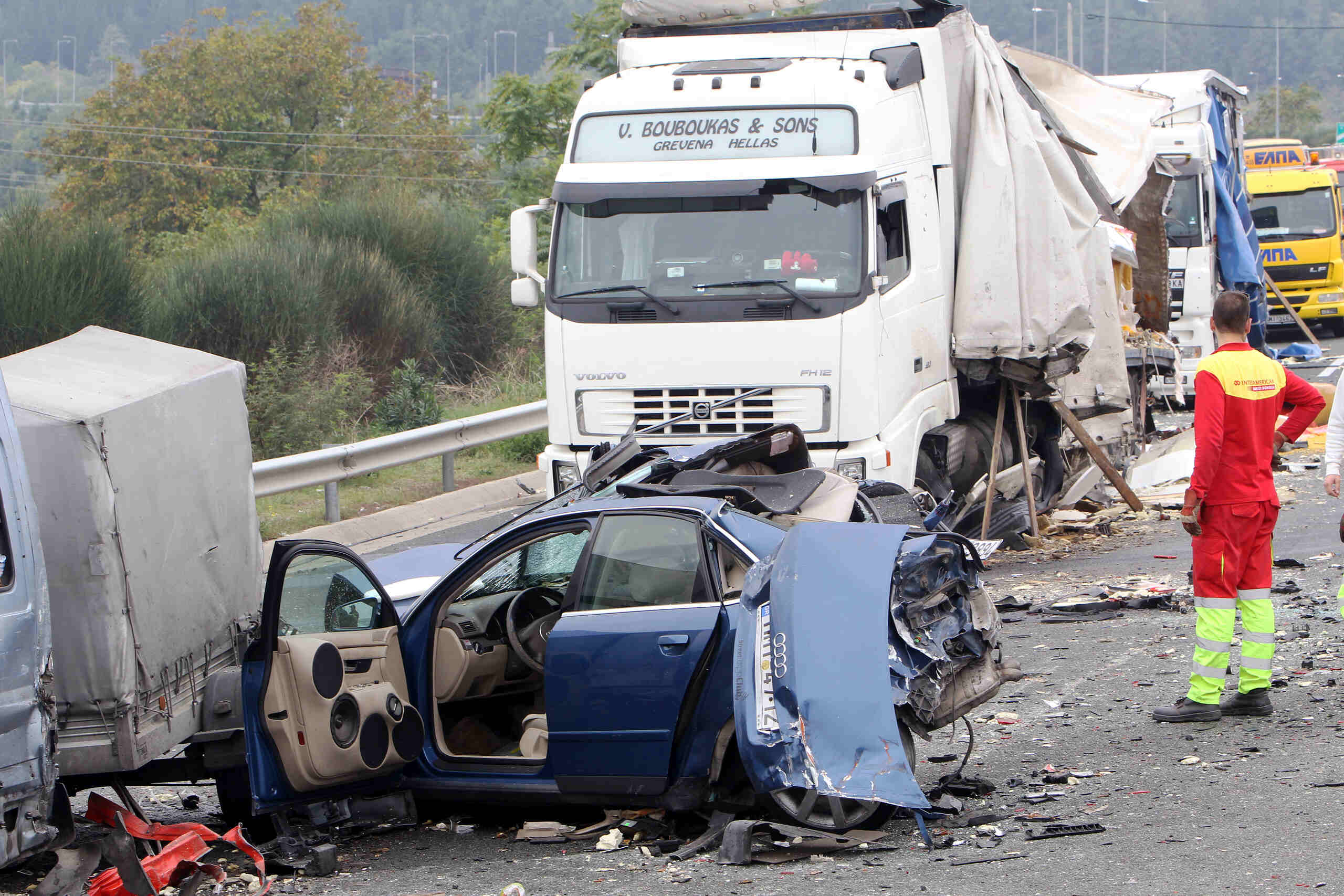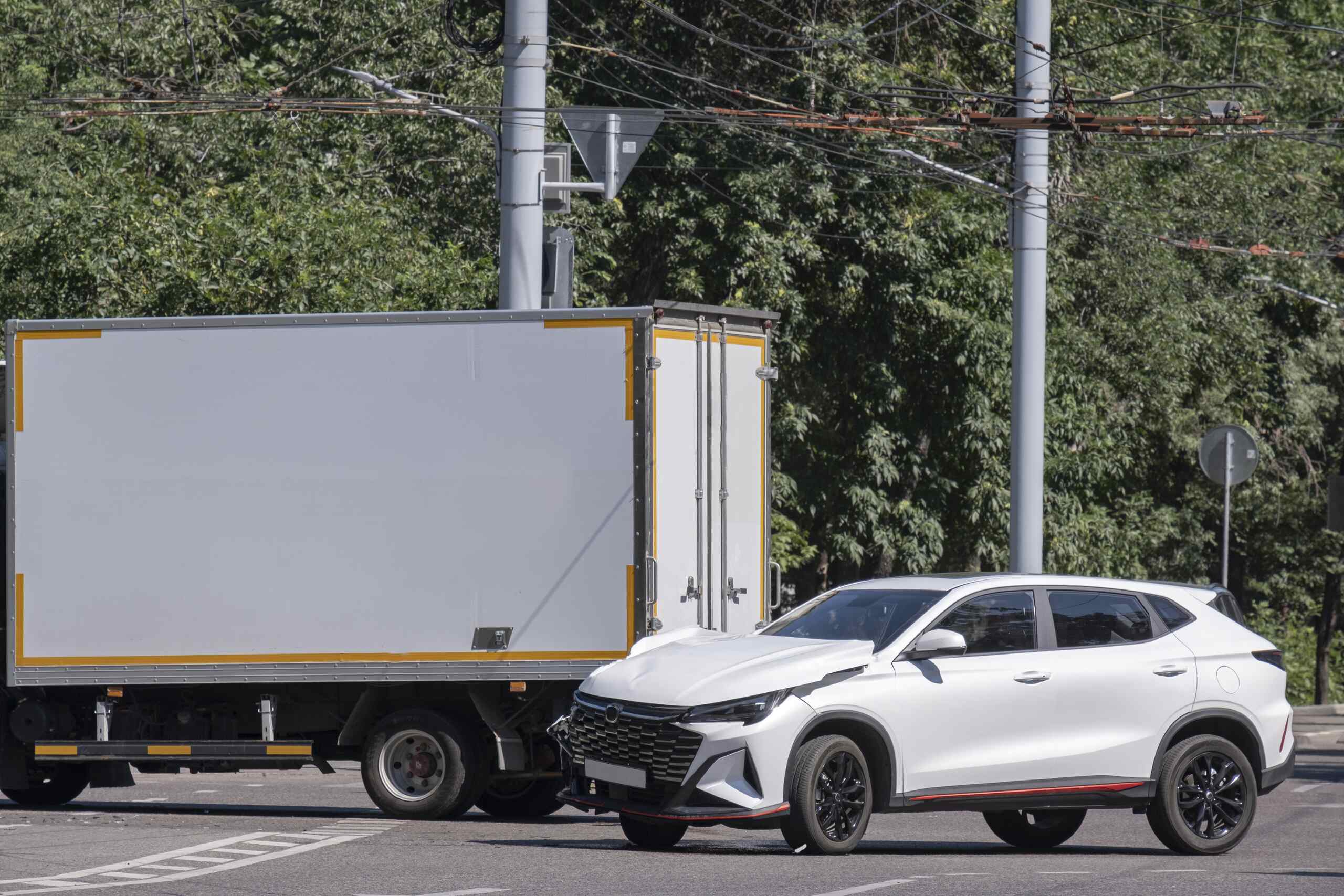
Car accidents in Broken Arrow are a particular concern on busy arterial streets, at major intersections, and on routes carrying traffic between Broken Arrow and the rest of the Tulsa metro. Kenosha Street/71st Street, Elm Place, Aspen Avenue, and the Broken Arrow Expressway/State Highway 51 are among the corridors where traffic patterns and major intersections can create opportunities for serious collisions.
That does not mean all crashes are concentrated at a handful of intersections. Broken Arrow’s combination of commuter traffic, commercial development, highway access, and expanding residential areas creates different hazards across the city. Understanding those patterns can help explain why a collision occurred and what evidence may matter afterward.
Some of Broken Arrow’s busiest crash concerns are concentrated at major arterial intersections and routes, including Kenosha Street/71st Street, the Broken Arrow Expressway/State Highway 51, Elm Place, Aspen Avenue, and other heavily traveled north-south and east-west corridors. Car accident risk changes with traffic volume, congestion, construction, turning movements, speed, and time of day.
There is currently no reliable public ranking that identifies one Broken Arrow intersection as the city’s undisputed worst crash location. A more useful way to understand local risk is to look at major arterial crossings, highway connections, traffic patterns, and locations the city itself has identified for transportation improvements.
Broken Arrow maintains traffic-count information for intersections and highway ramps, reflecting the importance of traffic volume in planning local roads. The city’s current transportation projects also include intersection or roadway improvements along several major corridors, including Kenosha Street, Houston Street, Aspen Avenue, Elm Place, and others.
While those projects do not prove that each location has a high crash rate, they show where capacity, traffic flow, roadway design, and continued growth are important transportation concerns.
Kenosha is one of Broken Arrow’s major east-west arterials. Drivers coming from Tulsa may know it as 71st Street, while Aspen Avenue corresponds to 145th East Avenue.
The intersection connects two substantial arterial routes, surrounded by commercial and residential traffic. Broken Arrow’s public planning materials have specifically identified improvements at Kenosha and Aspen, making it a useful example of how growth and traffic demand can put pressure on major intersections.
Crashes at large signalized intersections can involve left turns, red-light violations, rear-end impacts, and vehicles changing lanes as they approach or leave the intersection. When crash fault is disputed, signal timing, vehicle positions, nearby cameras, and witness accounts may become particularly useful.
Farther east, Kenosha crosses Elm Place, another major north-south route. Commercial development near a busy intersection can create more than straightforward cross traffic. Drivers may be turning into businesses, leaving parking lots, moving across several lanes to reach a turn lane, or encountering vehicles stopping unexpectedly ahead.
Those conditions do not make a collision inevitable. They do mean that collision investigators may need to look beyond the point of impact to understand the movements each driver was attempting immediately before the crash.
Kenosha Street deserves particular attention because it crosses much of Broken Arrow and connects numerous major north-south roads. The City of Broken Arrow identifies Kenosha as the local name for 71st Street, an important distinction when searching for records or describing where an accident happened.
Broken Arrow voters approved transportation funding in 2026 that includes work on Kenosha between the Creek Turnpike and Evans Road, as well as another Kenosha project between Sycamore and Juniper. Those investments reflect the ongoing transportation demands and potential risks associated with this corridor.
The Broken Arrow Expressway carries State Highway 51 between Broken Arrow and Tulsa, making it an important commuter and commercial route. Unlike urban intersection crashes, collisions on expressways can occur at substantially higher speeds and may involve merging traffic, congestion, and multiple vehicles.
Drivers entering or leaving the expressway must adjust quickly to changing speeds. During busy periods, traffic can move from highway speeds to sudden slowing, creating conditions for rear-end and chain-reaction crashes.
Commercial traffic adds another concern. A semi-truck or other large vehicle requires more distance to stop, and a collision involving a heavy truck can cause devastating injuries to occupants of smaller vehicles.
After a Highway 51 accident, investigators may need to consider the interchange involved, direction of travel, lane positions, skid or debris patterns, and available traffic-camera or vehicle data. If a commercial truck was involved, additional records maintained by the motor carrier may be important.
Broken Arrow’s street network places substantial traffic on arterial roads spaced throughout the city. The city’s naming system can be confusing at first because roads frequently bear both Broken Arrow and Tulsa County names. For example, Kenosha is 71st Street, Houston is 81st Street, Washington is 91st Street, Aspen is 145th East Avenue, and Elm is 161st East Avenue.
These corridors combine several factors that can increase opportunities for collisions:
| Roadway Feature | Potential Crash Concern |
|---|---|
| Large Intersections | Left turns, cross traffic, red-light violations, and rear-end collisions |
| Commercial Entrances | Vehicles slowing, turning, or entering traffic from parking lots |
| Multiple Lanes | Unsafe lane changes and last-second movements toward turn lanes |
| Heavy Commuter Traffic | Congestion, sudden stopping, and following too closely |
| Higher-Speed Segments | Greater stopping distances and potentially more severe impacts |
The relevant question after a crash is not simply whether the road is considered dangerous. It is whether the other driver was negligent, and whether roadway conditions, traffic controls, or another factor contributed to the collision.
Yes, in Broken Arrow, references to Kenosha Street and 71st Street generally refer to the same east-west arterial. The city intentionally places both local street names and Tulsa County designations on signs for major section-line roads.
That distinction matters after a collision because different records may describe the location differently. A witness might call it 71st Street, while another document refers to Kenosha. Recognizing both names can help when gathering police reports, photographs, business surveillance footage, or other location-specific evidence.
No. The reputation or traffic characteristics of an intersection do not establish who caused a particular collision. Liability still depends on evidence showing how the crash occurred and whether one or more drivers failed to use reasonable care.
For example, an intersection collision might result from a driver turning left across oncoming traffic. Another could occur because a driver entered the intersection on a red light, followed too closely, changed lanes unsafely, or was distracted.
Oklahoma’s comparative negligence law can become important when drivers disagree about responsibility. Under this law, an injured person can generally recover damages if their share of negligence is not greater than the combined negligence of all responsible parties.
In practical terms, someone who is 50% or less at fault may recover damages, but the amount will be reduced by their percentage of responsibility. If the injured person was 51% or more responsible, their recovery is barred. That makes objective evidence particularly valuable at a disputed intersection.
Local knowledge can tell you where traffic problems occur, but evidence tells you what happened in your particular collision. Some of the strongest evidence can also disappear relatively quickly.
Photographs taken after the crash may show vehicle positions, damage, debris, traffic controls, and visibility. Witnesses can describe signal phases or driving behavior, while nearby businesses or residences may have surveillance cameras facing the road.
Depending on the crash, useful evidence can include:
The Broken Arrow Police Department makes completed collision reports available online to involved parties. However, accident reports are subject to Oklahoma confidentiality requirements for the first 60 days, with access limited to specified people and entities.
After emergency needs have been addressed, continue following your medical provider’s recommendations and pay attention to symptoms that develop or worsen. Delaying appropriate care can affect your health and can also create disputes over whether an injury was caused by the collision.
Preserve photographs, insurance correspondence, medical bills, wage records, and any information you collected about witnesses. If you know a nearby business or residence may have recorded the collision, identifying that footage early can be important, as recordings may eventually be overwritten.
For more details about what to do after a serious car accident, see this guide to the steps to take immediately after a crash. If you are facing significant injuries or disputed liability, a skilled Tulsa car accident attorney can evaluate the evidence, insurance coverage, and Oklahoma law that may affect your case.
Oklahoma’s general personal injury statute of limitations generally gives an injured person two years to file a lawsuit arising from a car accident. Some circumstances can involve different rules, so you should not assume every claim has exactly the same deadline.
More importantly, the statute of limitations is not an evidence preservation deadline. A surveillance recording might disappear long before two years pass, vehicles can be repaired, and witnesses’ memories can fade. Investigating a serious collision quickly can therefore matter even when the lawsuit deadline seems far away.
Yes. The Broken Arrow Police Department provides online access to completed automobile collision reports for parties involved in an accident. The department’s records division can also provide information about obtaining reports and applicable access restrictions.
Road conditions can become relevant when determining how a collision occurred, but claims involving roadway design, maintenance, or a government entity can raise additional legal requirements. Do not assume the ordinary rules and deadlines for a two-driver accident automatically apply if a governmental entity may share responsibility.
A conflicting account does not necessarily determine the outcome. Witness statements, video, vehicle damage, roadway evidence, and other information may help establish which vehicle entered the intersection improperly.
Usually not, as long as the location is correctly identified. Kenosha Street is the Broken Arrow designation corresponding to 71st Street, and the city uses both local and Tulsa County road designations on major arterial signage.
Yes. Traffic volume, turning patterns, visibility, congestion, speed, and nearby development can create collision risks even when no authoritative agency ranks the intersection among the city’s worst. The circumstances of your individual crash matter more to your legal claim than a generalized ranking.
If you were seriously injured in a collision on Kenosha Street, Highway 51, or another Broken Arrow road, determining exactly how the crash happened can make a significant difference in your claim. A Broken Arrow personal injury lawyer at Graves McLain Injury Lawyers can investigate the collision, preserve important evidence, deal with the insurance companies, and pursue the compensation available under Oklahoma law.
Call Graves McLain Injury Lawyers at (918) 359-6600 for a free consultation about your car accident. Our Oklahoma car accident attorneys represent injured people throughout Broken Arrow and the Tulsa metro area, and you pay nothing unless we recover compensation for you.