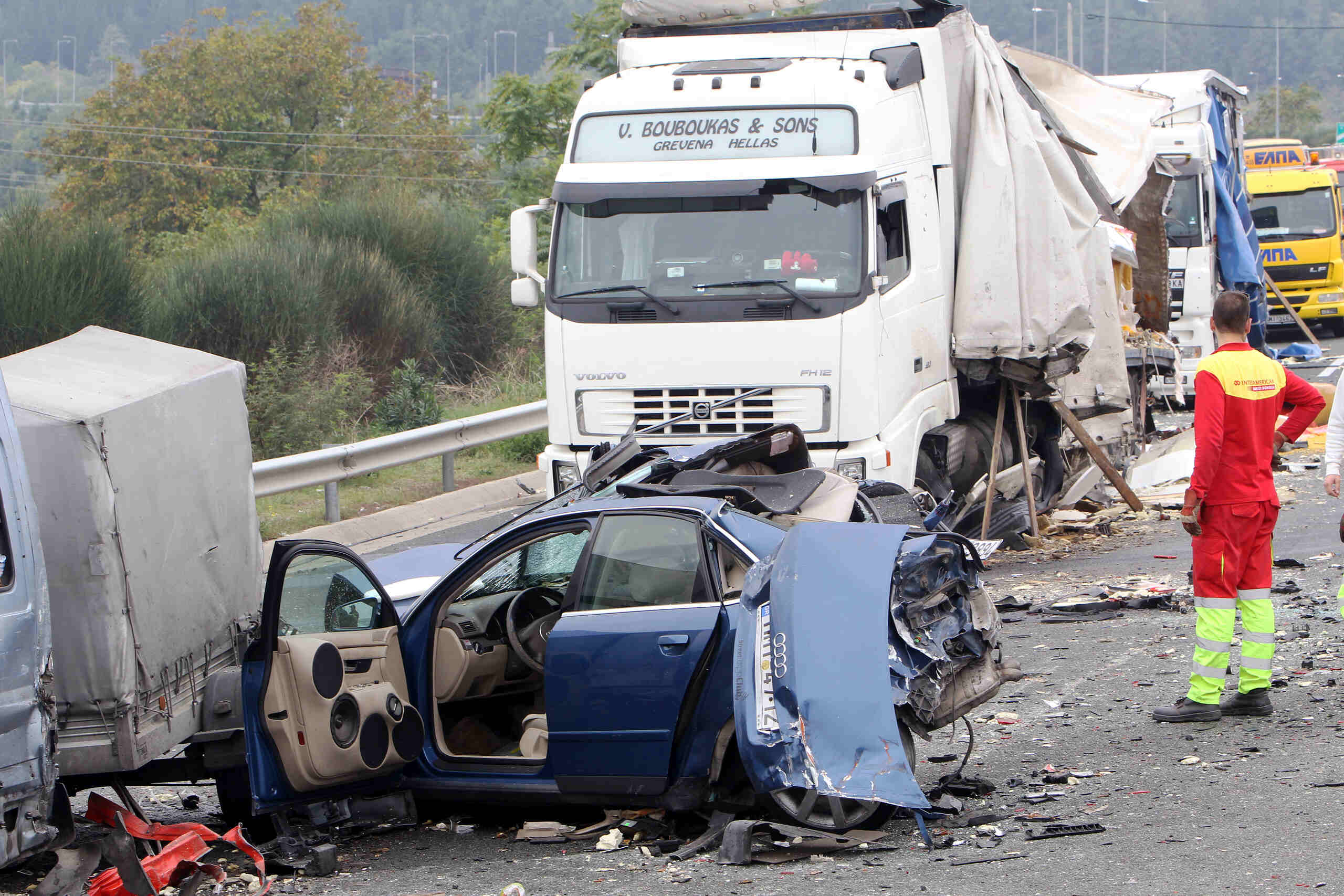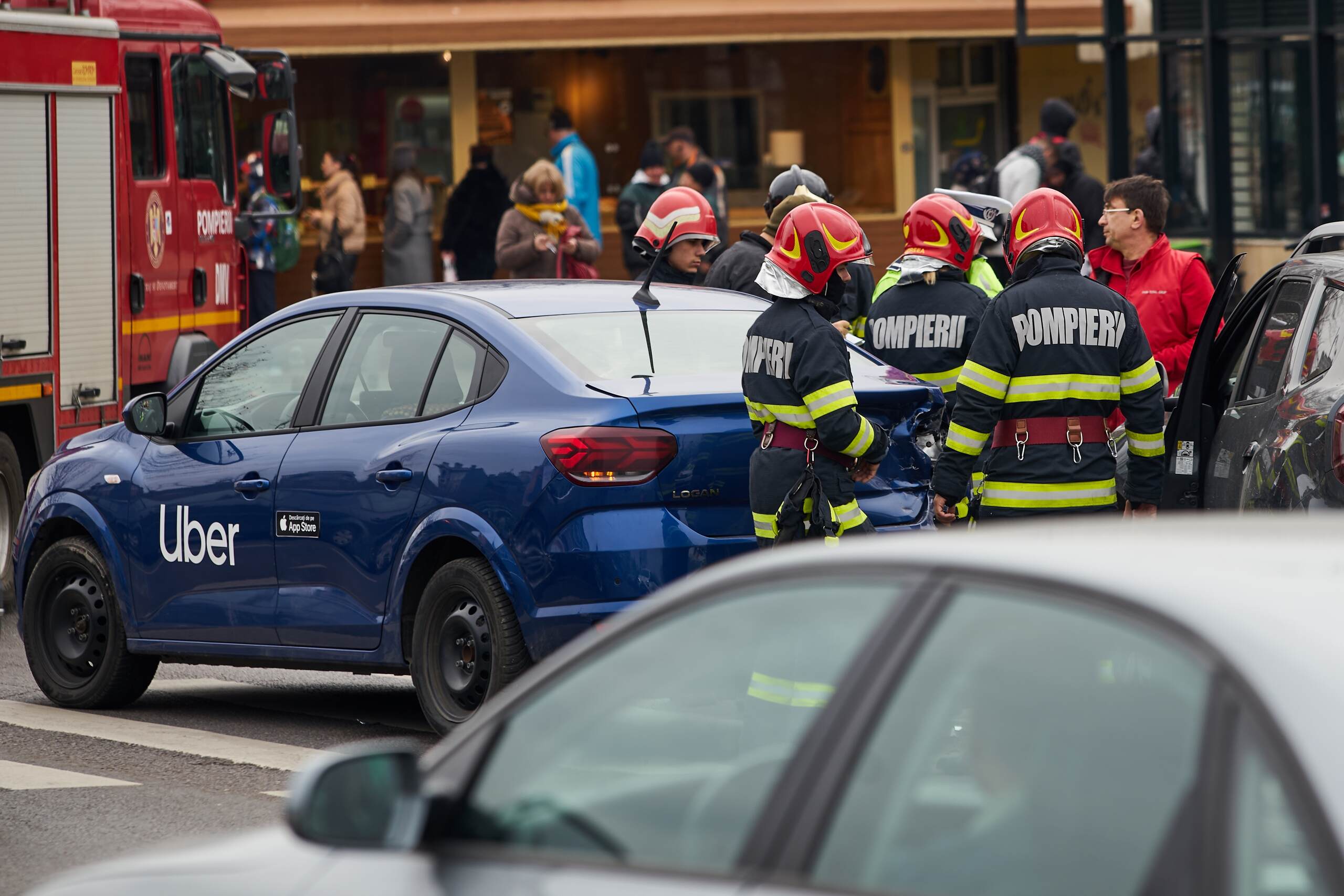
When a fatal car accident involves a rideshare vehicle, the grief your family faces is compounded by legal questions that most wrongful death cases do not raise.
Who was the driver working for at the time of the crash? Which insurance policy covers a death claim? Does the rideshare company share liability, or does it shield itself behind the driver’s independent contractor status?
Oklahoma’s wrongful death statute gives surviving family members the right to pursue compensation when a loved one dies because of another party’s negligence. But applying that statute to an Uber or Lyft fatality means navigating tiered insurance structures, corporate legal defenses, and filing deadlines that do not wait for a family to finish grieving.
Your family may be able to pursue compensation for funeral expenses, lost financial support, and other damages caused by the crash. The available claims and recovery will depend on who was at fault, the insurance coverage involved, and the facts of the accident.
A wrongful death claim is a civil lawsuit filed when a person dies because of another party’s negligence, recklessness, or intentional conduct. Oklahoma’s wrongful death statute (12 O.S. § 1053) allows the deceased person’s surviving family to pursue financial compensation for the losses caused by that death.
The claim is separate from any criminal charges that may arise from the same incident.
In a rideshare context, a wrongful death claim may be filed when a negligent Uber or Lyft driver, a distracted third-party motorist, or another at-fault party causes a fatal crash. The claim targets the responsible party‘s insurance coverage and, in some cases, the rideshare company’s commercial policy.
Oklahoma law usually requires a personal representative to file a wrongful death lawsuit, but a surviving spouse or next of kin may be able to file if no representative has been appointed.
If the deceased person named a personal representative in a will, that person files the lawsuit. If there was no will, the court appoints a personal representative, often a surviving spouse or adult child.
Under Oklahoma’s wrongful death statute, specific damage categories flow to specific beneficiaries. The statute directs how different types of compensation are distributed:
Where the recovery must be divided based on pecuniary loss or loss of companionship, the judge determines the proper division. The probate court reviews and approves the final distribution after a settlement or verdict.
This is where rideshare wrongful death cases diverge sharply from standard fatal car accident claims. The amount of insurance coverage available depends entirely on what the rideshare driver was doing with the app at the time of the crash.
Oklahoma’s Transportation Network Company Services Act (47 O.S. § 1025) sets minimum insurance requirements for Uber and Lyft drivers in three phases:
| Driver Status | Minimum Liability Coverage |
| App off | Driver’s personal auto insurance only ($25,000/$50,000/$25,000 Oklahoma minimums) |
| App on, waiting for a ride request | $50,000 per person / $100,000 per accident / $25,000 property damage |
| Ride accepted, en route to or transporting a passenger | $1,000,000 combined for death, bodily injury, and property damage |
In a wrongful death case, the difference between $50,000 and $1,000,000 in available coverage may determine whether a family recovers meaningful compensation or faces a shortfall that leaves funeral costs, lost income, and children’s future needs unaddressed.
Lost financial support is often the largest component of a wrongful death claim. It represents the income, benefits, and financial contributions the deceased would have provided to the family over their remaining working life. Oklahoma law bases this calculation on the deceased person’s age, occupation, earning capacity, health habits, and probable duration of life.
An economist may project this figure using the deceased person’s tax returns, employment history, industry wage data, and expected career trajectory. The calculation also accounts for employer-provided benefits the family lost, including health insurance, retirement contributions, and paid leave.
For example, a 35-year-old Tulsa resident earning $65,000 per year, the lost financial support over a normal working life may exceed $1 million before adjustments for inflation and present value.
Lost financial support also includes the value of household services the deceased provided. Childcare, home maintenance, transportation, meal preparation, and yard work all carry a measurable replacement cost. An economist may quantify these contributions using local market rates for equivalent services.
These projections require detailed documentation. Pay stubs, W-2s, tax returns, employer benefit statements, and testimony from coworkers or supervisors about the deceased person’s career path all feed into the calculation. The earlier this documentation is gathered, the stronger the foundation for the family’s claim.
Rideshare wrongful death cases add layers of complexity that families in standard fatal car accident claims do not face. Three factors consistently make these claims more difficult.
Each of these factors reinforces the same point. Retaining an Oklahoma rideshare accident attorney quickly after a fatal rideshare accident is one of the most important decisions a family may make, because the evidence that supports the claim is controlled by the same company whose insurer will be paying it.
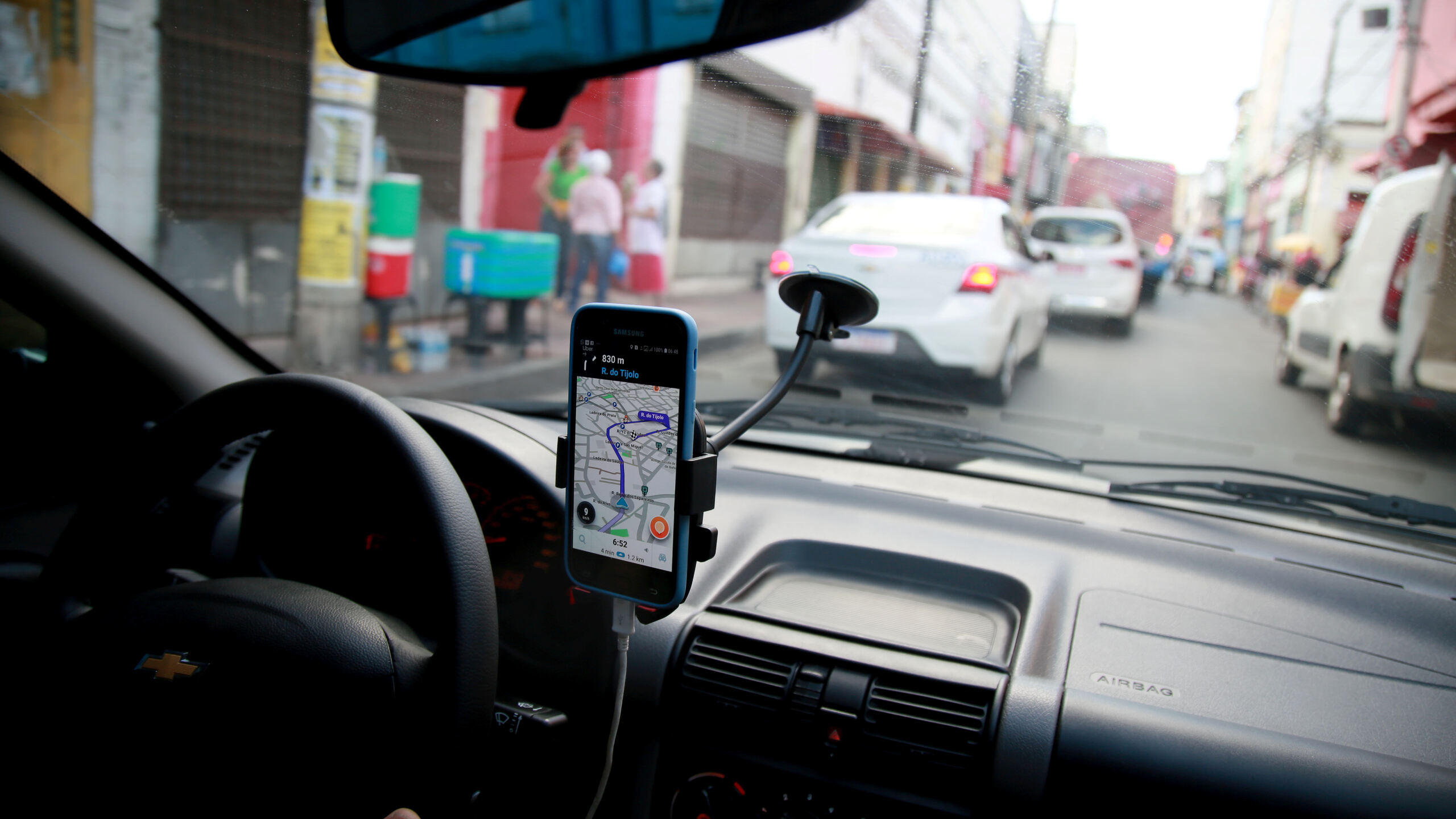
The family may file a claim if the rideshare driver was killed in a crash caused by another motorist’s negligence. The at-fault driver’s insurance is the primary source. However, the rideshare company’s occupational accident insurance and the driver’s own policies may provide additional coverage. Generally, workers’ compensation coverage would not be available.
Oklahoma’s modified comparative negligence rule under Okla. Stat. tit. 23, § 13 applies to wrongful death cases. If the deceased or the rideshare driver was partly at fault, the family may still recover compensation as long as the deceased person’s share of fault is 50% or less. Damages are reduced by the deceased person’s percentage of fault.
If the driver had accepted a ride on one platform but was still logged into another, both companies may argue that the other’s policy applies. Oklahoma’s TNC statute does not specifically address this scenario. Resolving the question requires obtaining activity logs from both platforms and, possibly, filing claims against both insurers.
After a wrongful death settlement or verdict, the personal representative files an application with the probate court to distribute the proceeds among the beneficiaries. Legal expenses and costs are paid first. The court reviews the proposed allocation, and the remaining funds are divided according to Oklahoma’s wrongful death statute.
Oklahoma law allows personal auto insurers to exclude coverage for any loss that occurs while the driver is logged into a rideshare app. If the driver’s personal carrier denies the claim, the rideshare company’s policy becomes the primary coverage source. If the driver’s personal policy has lapsed or excludes TNC activity, the rideshare company’s insurance must respond.
A: Oklahoma law generally gives families two years from the date of the deceased person’s death to file a wrongful death lawsuit against a rideshare company. Claims against government entities require written notice within one year. Missing either deadline may permanently bar the family from recovering compensation.
The family may still have a claim against the third-party driver who caused the fatal crash. The at-fault driver’s personal auto insurance is the first source of coverage. If that coverage is insufficient, the rideshare company’s uninsured or underinsured motorist policy may provide additional compensation depending on the driver’s app status at the time.
Pedestrians and cyclists killed by a rideshare vehicle have the same wrongful death protections under Oklahoma law. The tiered coverage structure still applies based on the driver’s app status. If the driver was engaged in an active ride, the $1,000,000 policy applies.
The two-year filing deadline for a wrongful death claim in Oklahoma begins on the date your loved one died. It does not pause for funeral arrangements, estate administration, or the time it takes to appoint a personal representative.
Meanwhile, the app data and trip records that determine how much insurance coverage applies are sitting on corporate servers with retention policies that favor the rideshare company, not your family.
If you lost a family member in an Uber or Lyft accident in Tulsa or anywhere in Oklahoma, talk with an attorney at Graves McLain Injury Lawyers: (918) 359-6600. The consultation is free and we only get paid when you do.