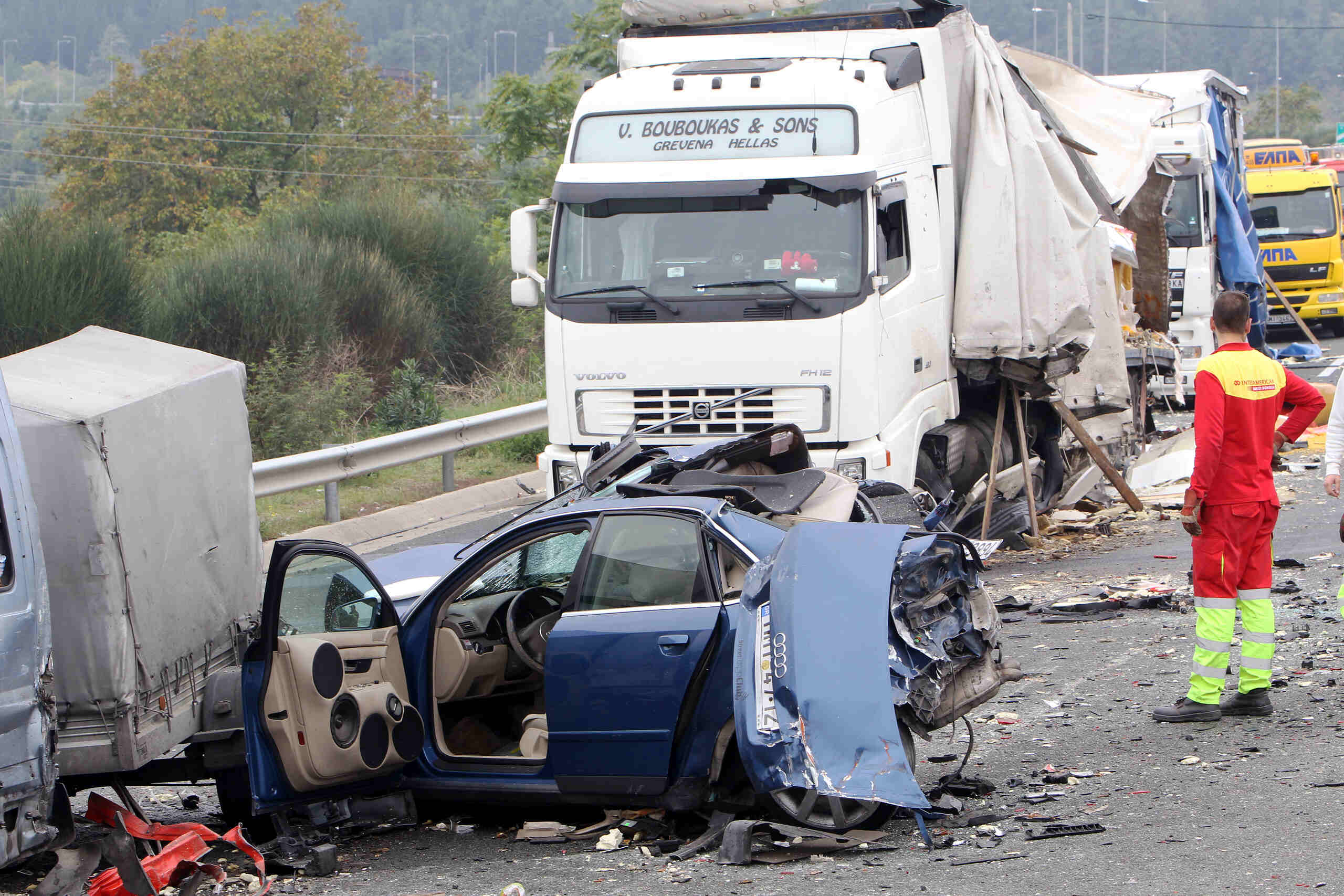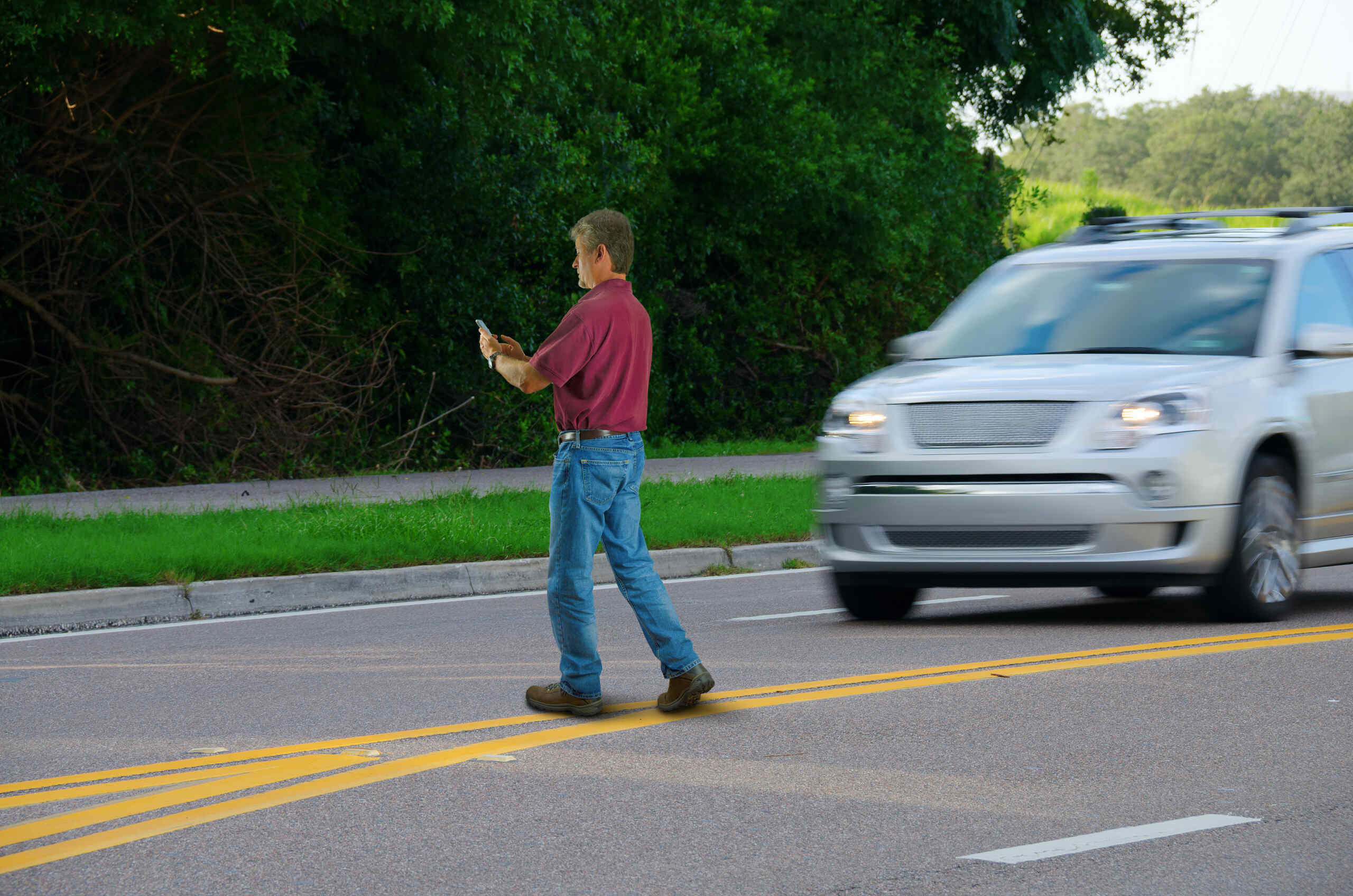
You swerve to avoid a collision. Your car hits the barrier or ends up in a ditch. The other driver keeps going.
In the insurance world, these are called miss-and-run or phantom vehicle accidents. They are among the most frustrating claims to handle because the burden of proof rests entirely on you.
Most people assume that if there was no contact, there is no claim, but this is incorrect. You do not need physical contact (e.g., dents, paint scrapings, or a direct impact) to file a valid injury claim in Oklahoma. If another driver’s negligence forced you to take evasive action that resulted in a crash, that driver is liable for your damages.
However, proving this is difficult. Insurance adjusters and police officers typically begin with skepticism. They usually classify these incidents as single-vehicle accidents caused by driver error, such as speeding, distraction, or falling asleep. Their systems flag uncorroborated claims as high-risk for fraud.
If you were forced off the road in Tulsa, call Graves McLain PLLC today. We will reconstruct the accident and find the evidence to support your version of events.
Legal responsibility relies on who caused the incident, not on who touched whom. Under Oklahoma law, every driver has a duty to exercise due care and operate their vehicle safely. When a driver makes an unsafe lane change without looking, they breach that duty regardless of whether their bumper physically touches your car.
To win a case involving a phantom vehicle, we focus on proximate cause. This essentially asks: “But for the actions of Driver A, would Driver B have crashed?”
If a truck drifts into your lane and you swerve into a guardrail to save your life, the truck driver’s negligence is the cause of your injuries. The fact that you successfully avoided hitting the truck does not absolve them of fault. Your quick reflexes might have prevented a fatality, yet you are the one left with the damaged car.
The law recognizes this, but the challenge lies in the difference between legal theory and practical application. In a standard collision, the physical damage tells the story, but in a miss-and-run, the story is just your word against a blank roadway.
We must distinguish between these two types of claims because insurance carriers handle them differently:
In both cases, you are dealing with an unidentified defendant. While the police may not have the resources to pursue a phantom driver criminally without a license plate number, we can still pursue a civil financial recovery through insurance provisions.
Since the phantom driver is unidentified, you cannot file a claim against their insurance policy. Instead, these cases trigger your own Uninsured Motorist (UM) coverage. Even though the other driver isn’t technically uninsured—they are just unknown—Oklahoma insurance statutes treat unidentified hit-and-run or phantom drivers as uninsured motorists for claims purposes.
Drivers misunderstand this aspect of phantom vehicle claims. Because it is easy for a distracted driver to run off the road and claim a phantom car cut them off, insurance policies have strict evidentiary standards. This isn’t personal; it is just the reality of the insurance contract designed to filter out fraud.
Many policies in Oklahoma require independent corroboration to pay out a UM claim for a non-contact accident. This means your testimony alone might not suffice. Corroboration typically comes in two forms:
Drivers hesitate to file a claim on their own policy for fear of skyrocketing premiums. Under Oklahoma insurance laws, insurers generally cannot increase your rates for an accident where you were not at fault. If we prove the phantom driver caused the wreck, the claim is paid out as a not-at-fault incident. However, if the insurer successfully argues that you simply lost control of your vehicle, they will classify it as an at-fault collision claim, which could impact your rates.
As phantom vehicle accident lawyers, this distinction is exactly why establishing the existence of the phantom vehicle is our top priority.
When you are back home recovering from the accident, the window to gather evidence closes. The police report is likely already filed, and it may not reflect what actually happened. Because there is no other car to inspect, we must look for different types of proof.
Law enforcement officers have a difficult job. They arrive at the scene after the dust has settled, see your car in the ditch, and see no other vehicles around. If you were shaken up and unable to articulate clearly that you were cut off, the report might code the accident as inattention or unsafe speed.
A police report is not a final legal verdict; it is an officer’s opinion based on the available data. If the report is inaccurate, we will work to amend it. We can petition to add supplemental statements, especially if you were transported to the hospital before giving a full account, ensuring the official record reflects the phantom vehicle’s involvement.
Video evidence is the single most effective way to win a phantom vehicle case. It removes the he-said-she-said ambiguity entirely.
Modern vehicles are equipped with an Event Data Recorder (EDR), also called the black box. This device records telemetric data in the seconds leading up to a crash. This data is objective and scientific, countering the narrative that you fell asleep or were texting.
The EDR can distinguish between different types of steering inputs:
If the insurance adjuster argues you drifted off the road due to fatigue, EDR data showing a violent swerve to the right and maximum braking pressure can prove you were reacting to an external threat.
Even if the insurance company accepts that another car was present, they may shift their defense to your reaction. They might argue that while a car cut you off, you overreacted and are responsible for your own injuries.
This is where the legal battle typically takes place. The law does not expect you to be a professional stunt driver, so it relies on the Sudden Emergency Doctrine. This legal principle acknowledges that when a person is confronted with a sudden, unexpected peril not of their own making, they cannot be held to the same standard of judgment as someone with time to think.
We will demonstrate that your reaction was reasonable given the split-second timeframe. If you had 0.5 seconds to react, swerving was a natural human instinct, not negligence.
Oklahoma operates under a 51% bar for modified comparative negligence. This means you can still recover compensation as long as you are not more than 50% at fault for the accident.
Consider a scenario where the adjuster argues you are partially at fault for overreacting. As long as the phantom driver holds the majority of the blame, you can still recover damages, though your payout reduces by your percentage of fault.
However, if the insurer successfully argues that you are 51% at fault (perhaps claiming you were speeding, which made your reaction more dangerous), you recover nothing. This is why characterizing the phantom driver’s aggression correctly and backing it up with EDR data is the focal point of the case. We work to ensure the blame remains where it belongs.
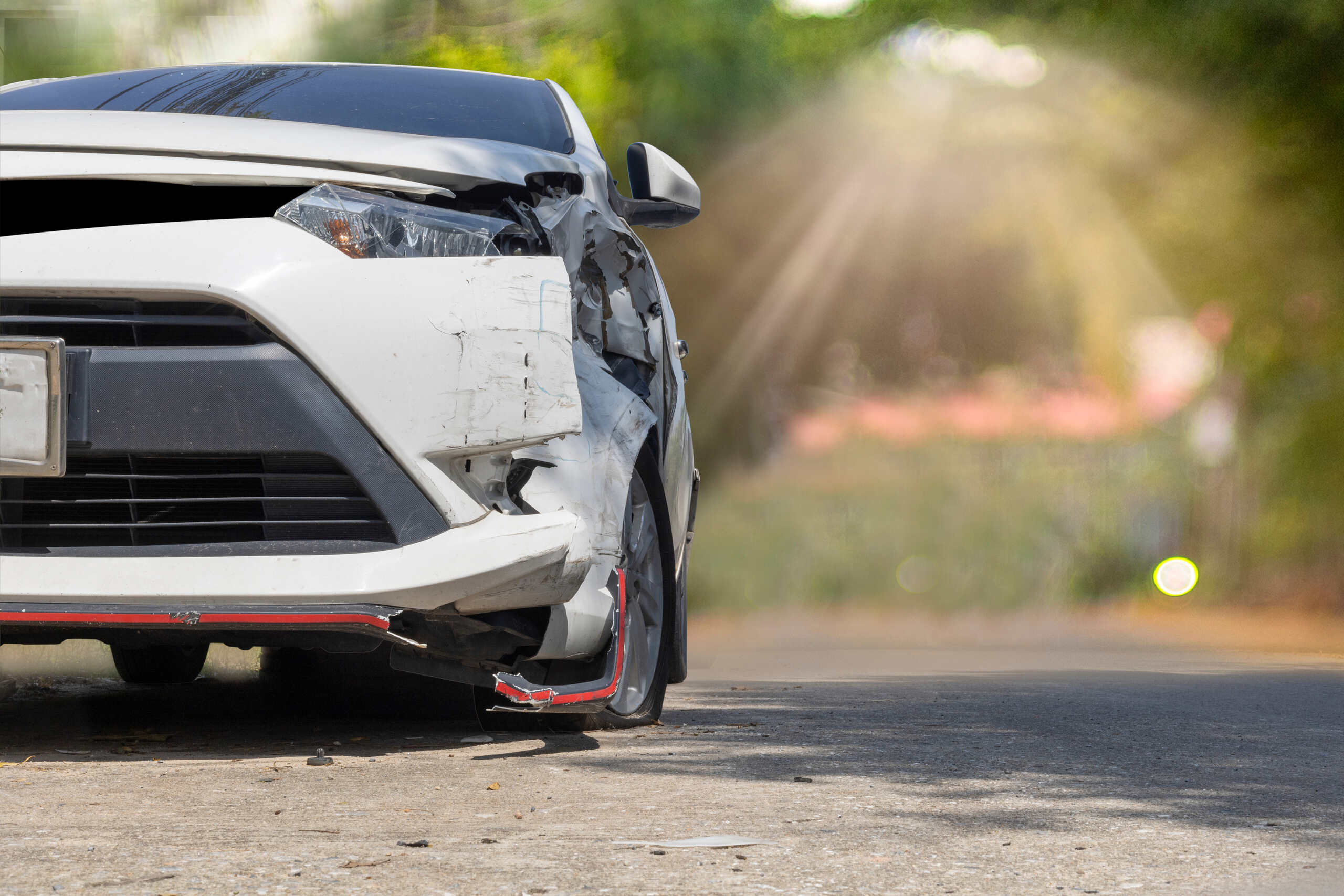
While many of these cases proceed as Uninsured Motorist claims, we do not always accept that the driver is unfindable. Identifying the at-fault driver changes the dynamic of the case completely, allowing us to claim against their specific liability policy.
Witnesses typically catch only the first few letters or the state on a license plate. Even a partial tag, when combined with a specific vehicle description, can narrow down the search in state vehicle databases. We can cross-reference this data with the registered owners’ addresses to see if they live near the crash site.
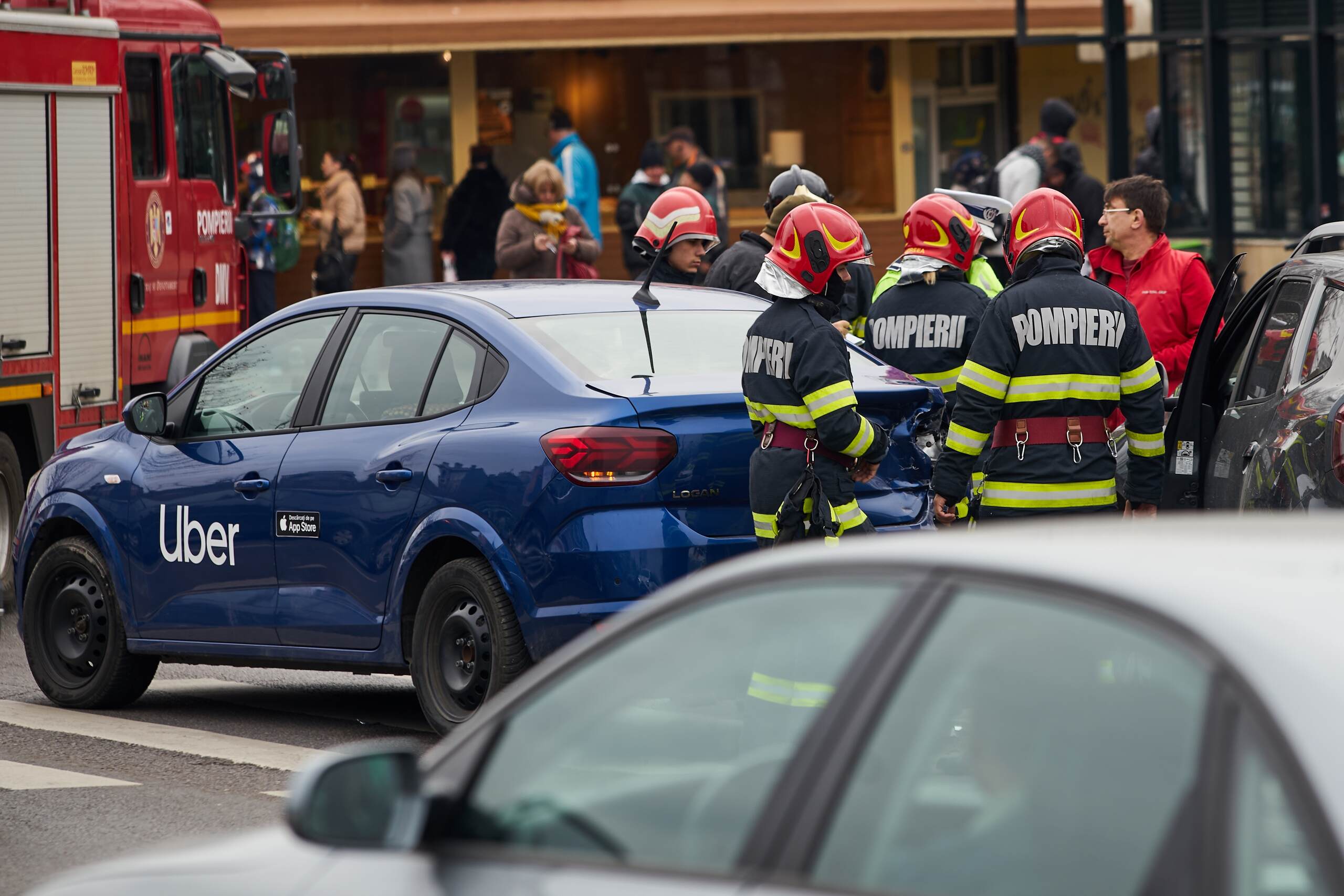
Commercial vehicles are heavily tracked. If you or a witness noticed that the vehicle had trade dress—such as an Uber or Lyft sticker, or was an Amazon delivery van—we can issue subpoenas for driver logs.
We will request data on which drivers were active at that specific GPS coordinate at that specific time to identify the phantom vehicle. These companies maintain detailed digital footprints that can place a specific contractor at the scene of your accident.
Never underestimate the power of local networks. Posting detailed descriptions of the incident on local Tulsa social media groups or Nextdoor yields results. It is not uncommon for another driver to say they saw a red truck driving recklessly on I-44 right around that time. While this isn’t definitive proof, it provides leads that can result in finding the driver.
This is a common hurdle, but it is not the end of your case. A police report acts as hearsay in many contexts—it is the officer’s best guess. We can challenge the report by introducing physical evidence, such as tire marks showing evasive action, witness testimony, or black box data that contradicts the officer’s conclusion of driver inattention.
That is a different legal situation. Hitting a stationary object like a pothole or debris typically falls under collision coverage or a premise liability claim against the entity responsible for road maintenance. Phantom vehicle cases specifically involve the negligence of another driver who caused you to crash.
As a passenger, you almost certainly have a valid claim. You were not in control of the vehicle. Your claim could be filed against the phantom driver (via your driver’s UM coverage or your own), or if your driver did indeed overreact and caused the crash, you might have a claim against their insurance policy.
Yes, and it is strict. While Oklahoma’s statute of limitations for personal injury is generally two years, your own insurance policy likely has a much tighter deadline for reporting phantom or hit-and-run accidents. Some policies require you to report the incident within 30 days or less to qualify for UM coverage. Failing to notify them quickly triggers a claim denial.
A driver who forces you off the road is just as responsible for your injuries as a driver who T-bones you at an intersection. The lack of paint exchange does not erase their liability, nor does it erase the reality of your medical bills and lost wages. You should not have to pay out of pocket for an accident you did not cause.
At Graves McLain PLLC, we handle the investigations that police departments lack the resources to conduct for non-contact crashes.
If you’ve been run off the road, call Graves McLain PLLC today. We will review your case at no cost to you and help you determine the best path forward.