
A visitor hurt on someone else’s property in Tulsa may have a premises liability claim when the owner let a known hazard sit unaddressed. Oklahoma law gives that injured visitor a path to recover when an owner ignores a danger and someone pays the price.
A property owner cannot let a hazard sit for weeks and then act surprised when someone gets hurt, whether it is an apartment complex, a grocery store, or an office building. At Graves McLain Injury Lawyers, we build that claim by proving exactly how the owner failed and what that failure cost.
Premises liability cases rarely look the same twice. A torn stair tread in an apartment building is a different case than a poorly lit parking garage, and both differ from a dog attack in a backyard.
What connects them is a legal standard: Oklahoma property owners owe a duty to keep their property reasonably safe, and that duty shifts depending on why the injured person was there. Call Graves McLain Injury Lawyers at (918) 359-6600 for a free case review. We work on contingency, so you owe nothing unless we recover for you.
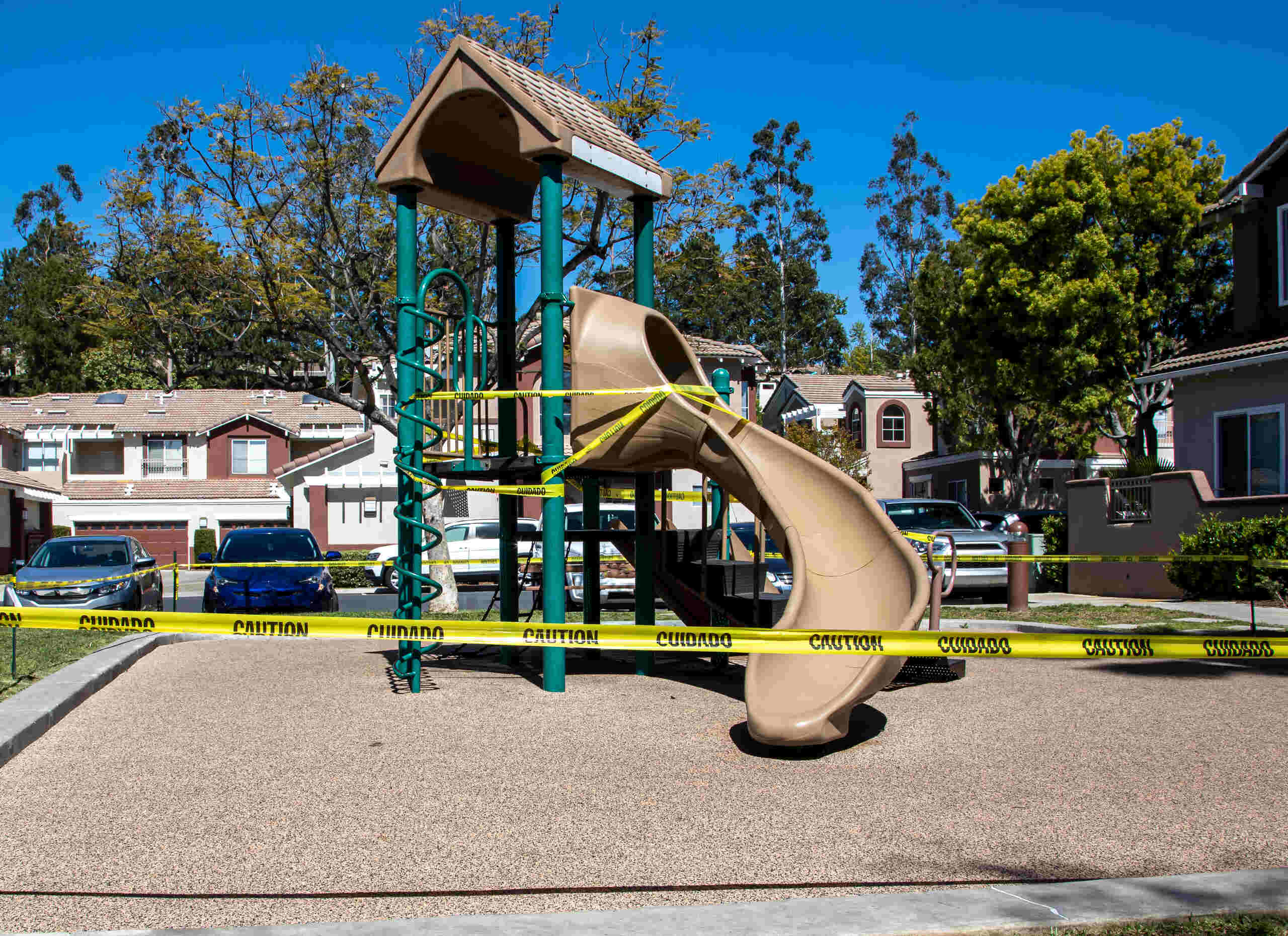
Oklahoma sorts visitors into three categories, and the category determines how much protection the law provides.
Invitees enter for the owner’s commercial benefit, like a shopper at a Cherry Street boutique or a tenant in a rented apartment. Owners owe invitees the highest duty. They must inspect the property regularly and fix or warn of hazards they know about or should have discovered.
Licensees enter with permission but not for the owner’s financial gain, such as a guest at a friend’s house. Owners must warn licensees of known dangers that are not obvious.
Trespassers receive the least protection, though Oklahoma law still bars owners from intentionally creating dangerous conditions meant to harm them.
Most premises liability claims in Tulsa involve invitees, which works in the injured person’s favor. A skilled Tulsa premises liability attorney identifies which category applies early because that classification shapes the entire strategy of the case.
Children injured on a property add another layer to this analysis. Oklahoma recognizes a heightened duty toward child trespassers under the attractive nuisance doctrine when a property contains something like an unfenced pool or abandoned equipment that would predictably draw a child’s curiosity. Owners who fail to secure these hazards can still face liability even though the child technically had no permission to be there.
Tulsa’s mix of older buildings, seasonal weather, and busy retail corridors creates specific risks that show up again and again.
Ice storms hit this region hard most winters, and property owners sometimes wait too long to salt sidewalks and parking lots outside grocery stores and shopping centers along Memorial Drive and 81st Street. A patch of black ice outside a busy storefront is rarely an accident. It is usually a maintenance decision someone chose not to make.
Older commercial buildings downtown and in the Pearl District carry outdated wiring, worn flooring, and stairwells that no longer meet current safety expectations. Renovation delays and deferred maintenance turn these properties into liability exposure for owners who skip routine inspections.
Apartment complexes near Tulsa Community College and the University of Tulsa see heavy foot traffic from students and renters, which raises the odds that a broken railing or a flooded breezeway gets reported and ignored before someone falls.
Large parking structures near the BOK Center and ONEOK Field create another pattern: dim lighting and minimal security staffing, conditions that invite both falls and criminal acts that the property owner had a duty to prevent.
Slip and fall incidents top the list, but they cover more ground than wet floors. Cracked pavement outside a Brookside restaurant, a torn rug in a hotel lobby near the Tulsa Arts District, and a missing handrail on a fire escape all fall under the same legal theory.
Inadequate security claims arise when a property owner skips basic safety measures, such as working lighting or staffed entrances, and a visitor gets assaulted or robbed as a result. Apartment complexes, motels along Route 66, and parking garages near downtown event venues see this pattern most often, especially when prior criminal activity on the property went unaddressed.
Dog bite claims work differently from most premises cases. Oklahoma imposes strict liability on dog owners under Okla. Stat. tit. 4, § 42.1, meaning the victim does not have to prove the owner knew the dog was dangerous, only that the bite happened while the victim was lawfully on the property or in a public place.
Swimming pool accidents at apartment complexes and private residences often involve missing fencing, broken pool gates, or a lack of posted depth markers, all of which point back to an owner who skipped a required safety feature.
Structural failures, including collapsed decks, falling ceiling tiles, and failed stair stringers, show up more often in older buildings near downtown and in commercial spaces tied to the oil and gas industry that have not been updated to match current building codes.
Property owners rarely pay these claims directly. Their insurance carrier handles the response, and that carrier’s first move is usually to dispute notice, meaning they argue the owner never knew about the hazard and had no reasonable chance to fix it.
The second move is blaming the injured person. Adjusters comb through phone records, surveillance footage, and witness statements looking for any sign the visitor was distracted, in a restricted area, or ignoring a posted warning.
Oklahoma’s modified comparative negligence rule, codified at Okla. Stat. tit. 23, Section 13, lets a jury reduce an award by the percentage of fault assigned to the injured person, and fault above 50 percent bars recovery completely. Insurance companies know this and use it as leverage during settlement talks.
A Tulsa premises liability lawyer counters both tactics by locking down evidence before it disappears: incident reports, maintenance logs, prior complaints about the same hazard, and surveillance footage that businesses often overwrite within days of an incident.
The evidence in these cases disappears fast. Call us at (918) 359-6600 to have a Tulsa premises liability lawyer start preserving it today.
The strongest premises liability claims are built on records the property owner would rather not produce voluntarily.
Maintenance and inspection logs show whether staff actually checked the area where the injury happened and how often. A gap in those records, or an inspection log that was clearly filled out after the fact, can carry a case on its own.
Prior incident reports reveal whether other people complained about the same staircase, the same icy entrance, or the same broken gate before the injury occurred. A pattern of prior complaints is one of the most persuasive pieces of evidence available.
Security footage from the property, when preserved quickly, often shows the hazard sitting unaddressed for hours or days before the fall, the slip, or the attack.
Specialist input from engineers, security consultants, or code inspectors connects the physical hazard to the specific safety standard the owner violated, whether that standard comes from a city ordinance or an industry guideline.
Graves McLain Injury Lawyers sends preservation letters early in the process so footage and physical evidence cannot conveniently vanish before a claim is filed.
Compensation in these cases is meant to cover the full financial and physical impact of the injury, not just the emergency room bill.
Medical costs, including future treatment for injuries like fractures, head trauma, or dog bite scarring that require ongoing care.
Lost income for time away from work, plus reduced future earning capacity if the injury limits what type of work someone can return to.
Pain and suffering tied to the physical impact of the injury and the disruption it caused to daily life.
Property owners in Oklahoma can also face punitive damages in rare cases where the evidence shows the owner knew about a serious hazard and chose not to fix it.
Damages also extend to out-of-pocket costs that often get overlooked early on, such as transportation to follow-up appointments, home modifications for a mobility-limiting injury, and the cost of hiring help for tasks the injured person could previously handle alone. A thorough damages calculation accounts for these costs rather than settling for whatever number the insurance adjuster offers first.
Don’t let a property owner’s negligence derail your future—learn how to build a winning slip and fall compensation claim today.
Oklahoma law gives injured people two years from the date of the injury to file a premises liability lawsuit, under Okla. Stat. tit. 12, § 95(A)(3). Missing that deadline generally ends the right to sue, with narrow exceptions for cases involving minors or injuries that were not immediately discoverable.
Claims against a government-owned property, such as a city park or a public housing complex, follow a different and shorter timeline. Oklahoma’s Governmental Tort Claims Act requires a formal notice of claim before any lawsuit.
The government then has 90 days to respond before the claim is treated as denied. Once that denial happens, the injured person has only 180 days left to file suit. Waiting to call an attorney in these cases can quietly destroy a valid claim.
Most premises liability claims resolve through negotiation, but a fair number end up in Tulsa County District Court when the carrier digs in on a lowball number. Filing suits changes the dynamic. It opens the door to formal discovery, which means the property owner has to produce maintenance records, prior complaints, and internal communications under oath rather than handing over only what they choose to share informally.
Depositions often reveal more than written records ever do. A property manager questioned under oath about how often the parking lot gets inspected, or a security contractor asked why cameras in a known trouble spot were never repaired, often gives ground that strengthens settlement leverage even before trial.
Graves McLain Injury Lawyers has trial attorneys ranked among The National Trial Lawyers Top 100, and the firm prepares premises liability cases with that level of scrutiny from the start. Insurance carriers tend to value a claim differently once they see a legal team that will not blink at the prospect of a jury trial.

Yes, as long as a jury finds you were 50 percent or less at fault. Your compensation gets reduced by your percentage of fault, but it is not automatically eliminated unless that percentage crosses the halfway mark.
It can still count against them. Oklahoma law holds owners responsible for hazards they should have discovered through reasonable inspection, not just ones they were told about directly.
Landlords owe tenants the same duty to maintain common areas like stairwells, parking lots, and breezeways. A broken railing in a shared hallway can support a claim even though you live there.
Cases with clear liability and well-documented injuries can settle in a matter of months. Cases involving disputed fault, severe injuries, or government property often take longer because of the added notice requirements and the likelihood of litigation.
Most premises liability claims settle through negotiation with the insurance carrier. If the carrier refuses to offer fair value, Graves McLain Injury Lawyers prepares every case as if it will go to trial, which tends to push settlement offers higher.
Graves McLain Injury Lawyers handles these cases on contingency, which means there is no upfront fee. The firm only gets paid a percentage of the recovery if the case succeeds, so the financial risk of pursuing a claim stays off your shoulders.
Surveillance footage gets overwritten. Maintenance logs get rewritten. Witnesses move on and forget details that mattered the day of the incident. The longer you wait to speak with a Tulsa premises liability attorney, the more of that evidence slips away for good.
Graves McLain Injury Lawyers works on a contingency fee basis, so there is no upfront cost to find out exactly where your case stands. Call (918) 359-6600 for a free case review and let the firm start preserving evidence while it still exists.