When you file an insurance claim, you expect your insurer to act fairly and honor the agreement you’ve paid for. Unfortunately, some companies use common bad faith insurance tactics to delay, underpay, or deny valid claims. These practices often leave Tulsa residents struggling to cover medical bills, repair costs, or lost income after serious accidents.
If an insurer isn’t treating your claim fairly, you may have the right to hold them accountable and pursue financial recovery for the harm their conduct has caused. Working with a bad faith insurance lawyer can make a meaningful difference in protecting your rights and ensuring that the insurance company meets its legal obligations.
 Insurance bad faith occurs when a company intentionally disregards its duty to act fairly or delays payment without a valid reason. This goes beyond simple mistakes or disputes about coverage.
Common examples include:
To prove bad faith, a policyholder must show that the insurer did not have a reasonable basis for its actions and knew or should have known that its conduct was unreasonable. Courts evaluate whether the insurer’s behavior was intentional, reckless, or showed disregard for the insured’s rights.
Every insurance contract in Oklahoma carries an implied duty of good faith and fair dealing. This means insurers must put their policyholders’ interests on equal footing with their own profits. When they breach this duty, they can be held legally responsible for damages caused by their misconduct.
Insurance companies use various methods to reduce their financial exposure, even when valid claims exist. Recognizing these tactics helps policyholders identify unfair treatment early.
Insurers sometimes deny claims based on vague policy language or irrelevant technicalities. A denial without a legitimate explanation may signal bad faith, especially if the insurer ignores clear evidence supporting the claim.
Some companies offer far less than what the evidence supports, hoping the policyholder accepts out of frustration or financial pressure. These offers often undervalue medical costs, repairs, and long-term expenses.
Delays are a frequent sign of bad faith. Insurers might stall payments by repeatedly asking for more paperwork, losing files, or taking excessive time to respond.
Oklahoma law requires insurers to investigate claims thoroughly. When they skip interviews, ignore witness statements, or refuse to review documents, they fail in their legal duty.
Some insurers tell policyholders that coverage doesn’t apply when it actually does. Misrepresenting policy language or exclusions is a clear indicator of bad faith.
Requiring unnecessary forms or repeated submissions can serve as a delay tactic. This practice often discourages policyholders from pursuing rightful payments.
Delaying claims is a common strategy used to pressure policyholders into accepting less than they’re owed.
Insurers may ask for the same documents multiple times or request materials they already possess. These tactics waste time and slow the process intentionally.
When adjusters ignore calls, emails, or letters, it prevents claimants from moving forward. Oklahoma law considers unreasonable silence a potential sign of bad faith.
Shuffling a claim between multiple adjusters can create confusion and delay resolution. It also helps insurers avoid accountability.
Oklahoma’s insurance regulations require prompt claim handling. Companies that ignore these timeframes act outside the law and risk liability for bad faith.
Bad faith often takes the form of baseless denials. Insurers may rely on technical loopholes or biased evaluations to justify rejecting valid claims.
Companies sometimes misinterpret exclusions to avoid paying. For example, they might deny coverage for an accident by wrongly claiming it falls under a business-use exclusion.
When an insurer hires a doctor who routinely minimizes injuries, that evaluation may not reflect the true extent of harm. Using biased medical reviews to deny benefits is a classic bad faith tactic.
Insurers may claim injuries existed before the incident without obtaining relevant medical records. Failing to conduct a proper review before denying coverage violates their duty of fair dealing.
Surveillance isn’t illegal. However, misrepresenting footage or taking it out of context to dispute a legitimate claim crosses into bad faith behavior.
Even when they agree to pay, insurers may offer far less than what the evidence supports.
When adjusters dismiss medical reports or ignore treatment recommendations, they undervalue claims and minimize the impact of injuries.
Some insurers rely on outdated data to estimate vehicle repairs or medical costs, leading to settlements that fall short of real expenses.
If ongoing care or rehabilitation is likely, insurers must factor those costs into settlement evaluations. Refusing to do so unfairly limits recovery.
Insurers often minimize noneconomic losses such as reduced quality of life or ongoing discomfort, even though these are recognized damages under Oklahoma law.
Policyholders in Oklahoma have specific rights when dealing with their insurers. These protections ensure fairness in claim processing.
Insurers must begin investigating claims within a reasonable timeframe and can’t delay simply to avoid payment.
You’re entitled to an evaluation that considers all evidence, not just the parts that favor the insurer’s position.
Insurance companies must provide clear explanations for their decisions. Withholding information or misrepresenting coverage terms violates state regulations.
When an insurer acts in bad faith, you may recover both the benefits owed under your policy and additional damages for harm caused by their misconduct.
These are the payments originally due under your insurance policy, such as repair costs, medical expenses, or replacement value.
These cover financial losses directly resulting from the insurer’s conduct, such as extra costs, lost wages, or damage to credit.
Policyholders can recover damages for the stress and anxiety caused by unfair claim handling, especially when the insurer’s behavior is intentional or reckless.
If the insurer’s conduct was particularly malicious or fraudulent, Oklahoma courts may award punitive damages to deter similar future actions.
In some cases, courts allow recovery of attorney’s fees and litigation costs when the insurer’s actions forced the policyholder to take legal action.
Insurance companies have vast resources and experienced legal teams working to defend their decisions. Proving that an insurer acted in bad faith often requires skilled legal assistance. Without legal help, many policyholders struggle to access the information and documentation needed to prove what happened behind the scenes.
An attorney can help you organize and preserve all correspondence, including emails, letters, phone logs, and claim forms. These records form the foundation of a bad faith case by showing how the insurer handled your claim over time.
Lawyers know how to identify patterns of misconduct that reveal bad faith, such as missed deadlines, shifting explanations, or withheld documents. They can also use subpoenas and discovery tools to obtain evidence directly from the insurance company that policyholders typically can’t access on their own.
Your attorney will analyze internal claim notes, company communications, and policy language to show that the insurer knew the claim was valid but chose to deny or delay payment anyway. Demonstrating this knowledge is a key element in proving bad faith.
Oklahoma courts set strict requirements for these cases. A lawyer familiar with bad faith litigation understands how to present evidence, question witnesses, and build a compelling argument that meets state standards.
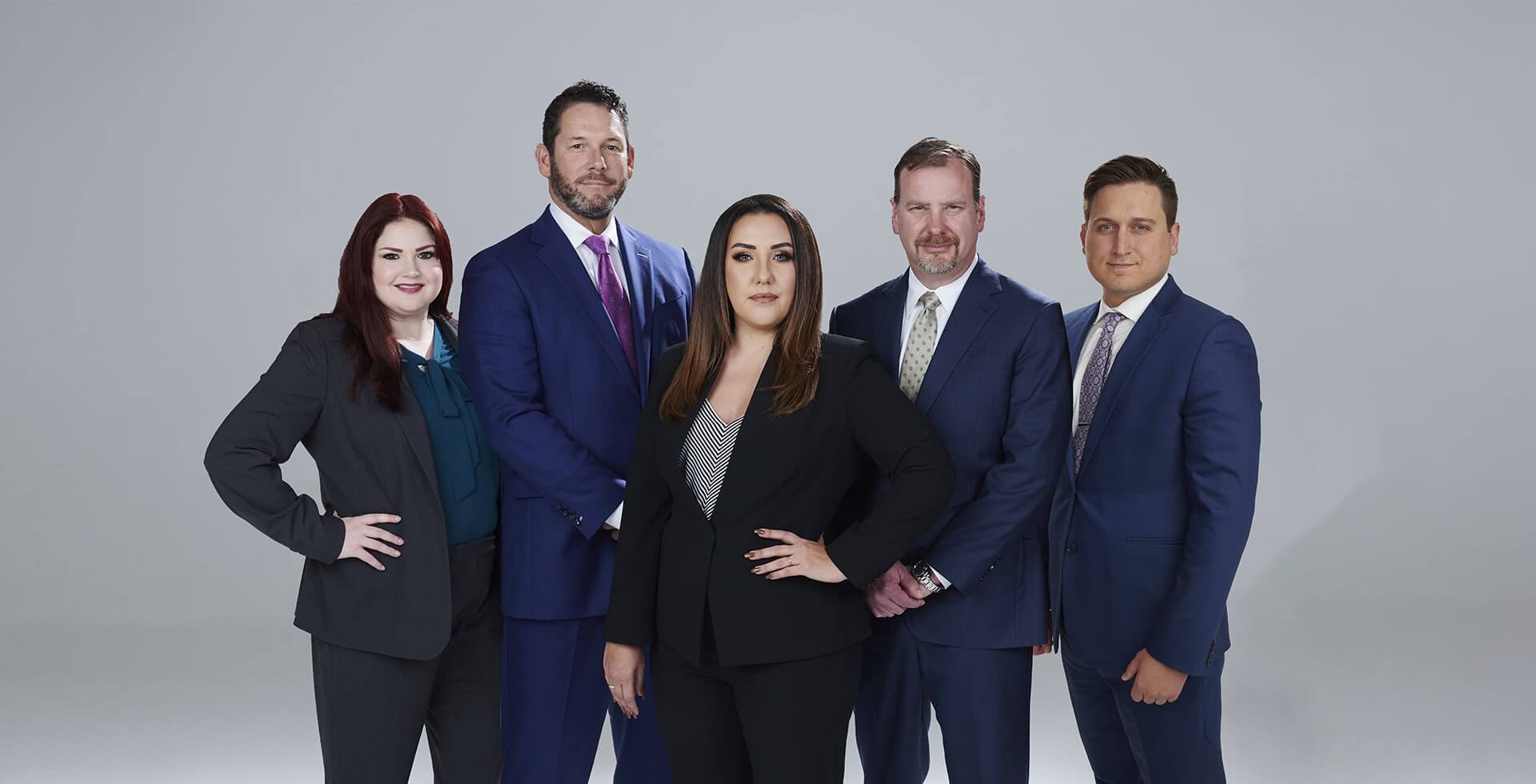
Choosing the right legal team can make a significant difference in how your bad faith insurance case is handled. At Graves McLain Injury Lawyers, we stand up for policyholders who have been treated unfairly by insurance companies. Our attorneys understand the pressure that comes from delayed or denied claims, and we use our experience to level the playing field against large insurers.
We believe every client deserves personal attention, clear communication, and a strong advocate who takes their situation seriously. Our firm approaches each case with careful preparation and a focus on accountability. We gather the evidence needed to prove misconduct, negotiate directly with insurance representatives, and, when necessary, present your case in court.
Clients choose Graves McLain Injury Lawyers because we:
When an insurance company refuses to act responsibly, you don’t have to handle it alone. The team at Graves McLain Injury Lawyers is ready to step in, protect your interests, and seek justice on your behalf.
Oklahoma generally allows two years from the date of the insurer’s wrongful act to file a bad faith lawsuit. However, the exact timeline can depend on when the misconduct occurred or when you discovered it.
Yes. Even if your insurer eventually pays, you may still have a bad faith claim if they intentionally delayed payment or caused additional harm through their conduct.
A simple denial isn’t automatically bad faith. Bad faith occurs when the insurer denies or delays a claim without a reasonable basis or ignores evidence supporting coverage.
In most cases, yes. You should attempt to resolve disputes through your insurer’s internal process before filing a lawsuit, but once they act unreasonably, you can pursue legal action.
Typically, only policyholders can file bad faith claims. However, if you’re a third-party claimant and the insurer’s conduct violates Oklahoma’s unfair claims practices laws, other legal remedies may be available.
 Insurance companies hold powerful positions, but they must follow the law when handling claims. When they refuse to act fairly, you have the right to hold them responsible. The attorneys at Graves McLain Injury Lawyers work to protect Oklahoma policyholders from bad faith tactics and corporate misconduct. We investigate claims thoroughly, build strong legal strategies, and help clients pursue fair outcomes.
If your insurance company has delayed or denied your claim without justification, contact our team for a free, no-obligation consultation today.