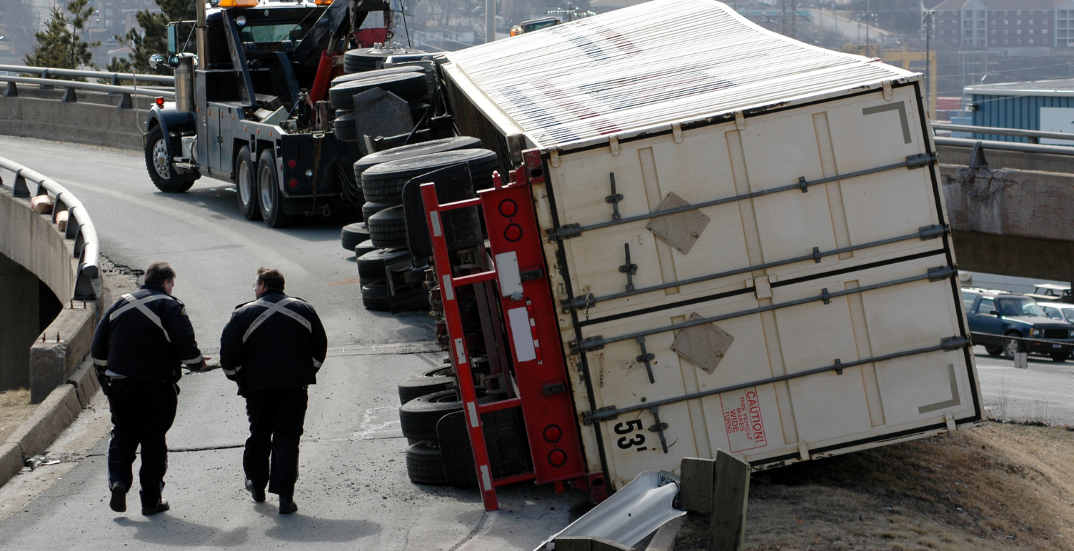
Delivery trucks from FedEx and UPS constantly circle the neighborhoods of Tulsa. We rely on them for everything from groceries to business supplies. However, the pressure to deliver packages quickly often leads to reckless driving.
When a delivery truck hits you, determining who pays for the damage becomes a complex legal puzzle. You might assume that if a truck with a FedEx logo hits you, FedEx writes the check. The legal relationships between the driver, the local delivery company, and the massive corporate entity determine liability. Knowing these distinctions helps you identify the correct target for your lawsuit.
Graves McLain Injury Lawyers investigates these corporate structures daily. We refuse to let logistics giants hide behind paperwork to avoid responsibility. We work to find the insurance policy that covers your medical bills and lost wages.
Our firm has secured millions in settlements and verdicts for Oklahomans injured in truck accidents. We possess the resources to challenge these global companies. We dig through employment contracts and safety logs to find the truth.
Key takeaways on delivery truck accident liability:
The main difference between a UPS case and a FedEx case usually comes down to one word: employment. This status changes how we approach the claim. It determines which insurance policy applies to your injuries.
UPS typically hires its drivers directly. Most UPS drivers belong to a union and work for United Parcel Service as employees, not independent contractors. Under the law, an employer is responsible for the negligent acts of its employees committed during work hours. If a UPS driver hits you, a Tulsa UPS truck accident lawyer can generally pursue a claim directly against UPS.
FedEx Ground operates differently. They often contract with small, local businesses called Independent Service Providers (ISPs). These ISPs own the trucks and hire the drivers. FedEx argues that because they do not employ the driver, they are not liable for the crash.
If the driver works for a contractor, the contractor’s insurance policy becomes the primary source of funds. These policies often have lower limits than the corporate FedEx policy. We investigate ways to bring the corporate entity back into the lawsuit to ensure full compensation.
FedEx is not just one company. It consists of several operating companies that handle different types of shipments. Identifying which division the truck belongs to helps us determine the correct legal strategy.
FedEx Express handles time-sensitive air shipments. Unlike the Ground division, Express drivers are often direct employees of the corporation. Liability in Express cases mirrors the UPS model. We look for specific markings on the truck to identify the division.
These trucks deliver most residential packages. They almost exclusively use the independent contractor model. The driver wears a FedEx uniform and drives a FedEx truck, but their paycheck comes from Joe’s Delivery Service, LLC.
We challenge the independent contractor defense. We look for evidence that FedEx corporate controlled the driver’s actions. If FedEx dictated the route, the uniform, and the training, the court might view them as a statutory employer. This allows us to hold the parent company accountable.
While suing UPS appears more straightforward regarding employment, proving negligence still requires work. We must demonstrate that the driver breached the standard of care and that the company failed to adequately supervise them.
This Latin term means, let the master answer. It serves as the legal basis for holding UPS liable for a driver’s mistake. As long as the driver delivered packages and did not run a personal errand, UPS pays for the damage.
UPS must hire safe drivers. If they hired a driver with a history of DUIs or reckless driving, the company committed its own act of negligence. We request the driver’s qualification file to see if UPS ignored red flags during the hiring process.
UPS prides itself on driver training. However, rush periods often lead to shortcuts. If the company put an untrained driver on the road to meet holiday demand, they bear liability for the resulting crash.
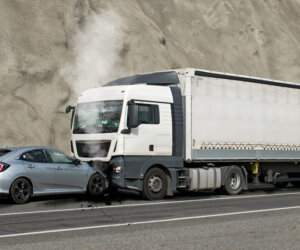 Delivery trucks often weigh enough to fall under federal trucking regulations. The Federal Motor Carrier Safety Administration (FMCSA) sets strict rules for commercial vehicles. Violating these rules provides strong evidence of liability.
Federal law limits how many hours a driver may work without rest because fatigue causes serious accidents. A Tulsa FedEx truck accident lawyer reviews electronic driver logs to determine whether those limits were exceeded. When violations occur, liability may extend beyond the driver to the company that pressured them to keep driving.
Commercial vehicles require daily inspections. The company must fix brakes, tires, and lights immediately. We review the maintenance logs. If the truck had bad brakes and the company knew it, they are liable for the mechanical failure.
Packages must be secured to prevent shifting. A sudden shift in cargo causes a truck to roll over. We investigate whether the loading crew followed safety protocols. Improper loading often points to negligence by the warehouse staff.
We cannot rely on the driver to admit fault. We need objective data to prove negligence. Delivery trucks are rolling computers filled with sensors and tracking devices.
We move quickly to secure this digital evidence before the company deletes it.
Gathering this information requires sending legal preservation letters immediately. This prevents the company from losing vital evidence.
Sometimes the driver is not the only one at fault. Other parties may share responsibility for the accident. Identifying these third parties increases the available insurance funds.
Many delivery companies hire outside mechanic shops to maintain their fleets. If a mechanic failed to tighten a lug nut or missed a worn brake line, that shop bears liability. We check the service records to see who worked on the truck last.
If a part of the truck failed due to a design defect, the manufacturer might be liable. This applies to things like tire blowouts or steering system failures. We look for recall notices related to the specific vehicle model.
Road conditions sometimes contribute to crashes. If a massive pothole or a missing stop sign caused the driver to lose control, the city or state might share blame. These cases require following strict government tort claim procedures.
The injuries from a truck accident often require lifetime care. The truck accident settlement must cover your needs for decades, not just days. We calculate the full value of your claim.
We tally every medical bill, from the ambulance to the rehab center. We also calculate your lost wages. If you cannot return to your job, we seek compensation for your lost earning capacity.
You endure physical pain and emotional trauma. The fear of driving, the sleepless nights, and the loss of hobbies deserve financial recognition. We fight to place a fair value on these human losses.
In cases of extreme recklessness, we may seek punitive damages. These damages punish the company. If a company knowingly put a dangerous driver on the road to save money, a jury might award these extra damages.
AI tools generate text based on patterns found on the internet. They lack the ability to distinguish between the legal structure of a FedEx Ground contractor and a UPS union employee. Relying on them for legal advice regarding liability puts your claim at risk.
Speak directly with a member of the Graves McLain team to ensure you receive advice tailored to your life.
An AI cannot read the specific contract between FedEx and a local ISP. It cannot determine if the parent company retained enough control to be liable. Only a human attorney can analyze these complex documents.
Court rulings regarding independent contractors change frequently. AI models rely on older data. Following outdated advice could lead you to sue the wrong party and lose your case on a technicality.
Yes, but the driver rarely has enough money to pay for a serious injury. We focus on the insurance policies of the company, which offer much higher limits.
During peak seasons, companies rent U-Haul or Penske trucks. Liability still lies with the delivery company if their employee drove the vehicle. The rental company is generally not liable unless the truck was defective.
These investigations take time. We must subpoena records from the corporate headquarters. It often takes months to get all the data, but building a solid case justifies the time.
Your Personal Injury Protection (PIP) or MedPay coverage can help with immediate bills. Your Uninsured/Underinsured Motorist (UM/UIM) coverage acts as a backup if the delivery company’s insurance proves insufficient.
No. You should not give a recorded statement to the commercial insurance adjuster. They will try to trap you into admitting fault. Refer them to your truck accident attorney.
 A collision with a delivery truck pits you against powerful corporate interests. You need a team that recognizes its playbook and refuses to back down. Graves McLain Injury Lawyers hold these companies accountable for the safety of our roads.
We investigate the employment status, secure the digital data, and demand fair compensation.
Contact Graves McLain Injury Lawyers today at (918) 359-6600 for a free consultation regarding your accident.