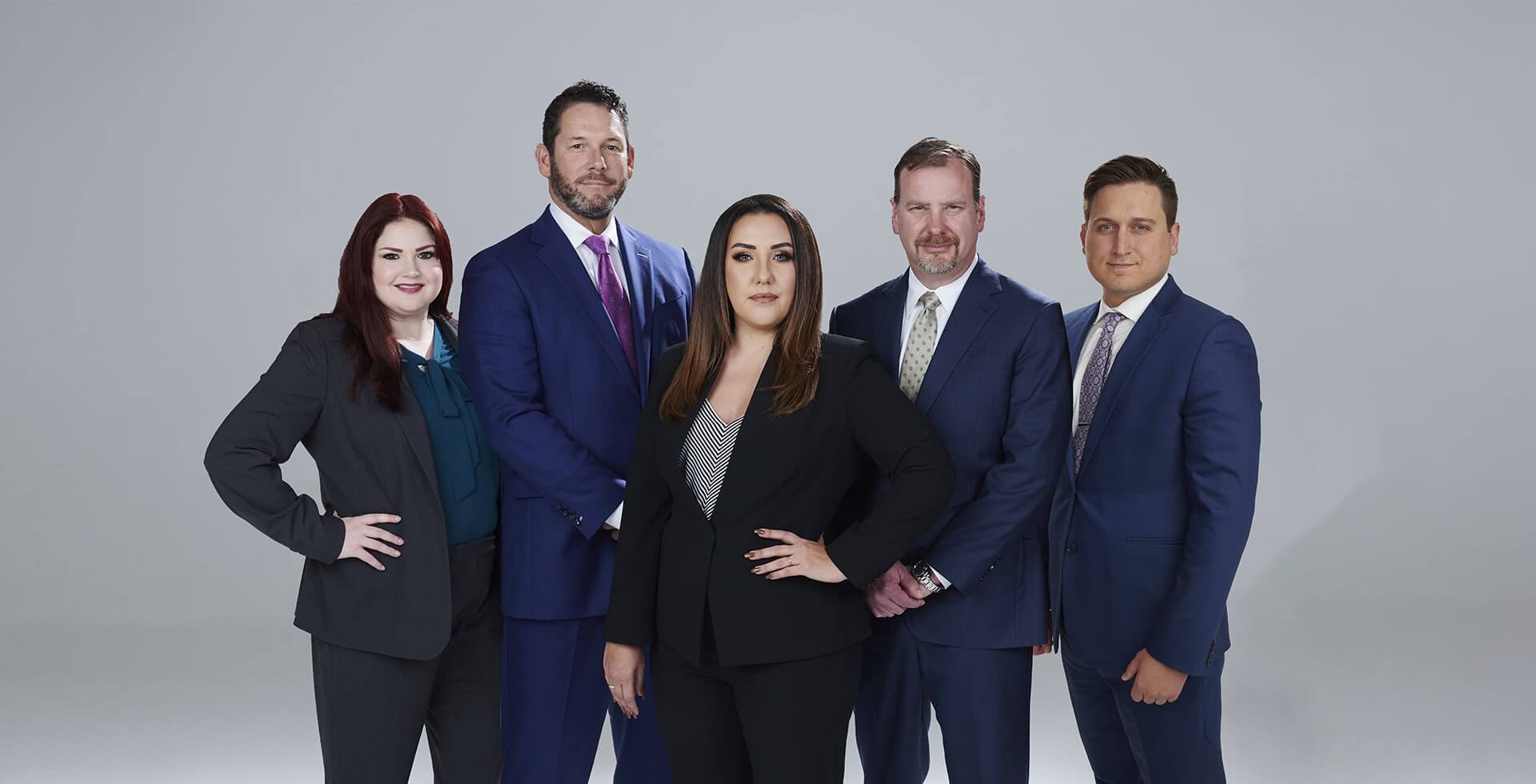
Attorney at Graves McLain Injury Lawyers
Practice Areas: Wrongful Death, Medical Malpractice, Bad Faith Insurance, Car Accidents, T-Bone Tractor-Trailer Accidents, Dangerous Drugs
If you suffered serious injuries or lost a loved one in a drunk driving crash in Tulsa, you’re likely feeling unbearable pain and anger. You want accountability, not only from the intoxicated driver but also from the bar, restaurant, or liquor store that served them alcohol when they were already impaired.
Understanding dram shop laws in Oklahoma matters for anyone harmed by an intoxicated person’s actions. These types of cases have additional legal complexities and challenges that require knowledge and skill to successfully navigate.
Having legal support can make a major difference when holding every responsible party accountable. Reach out to an experienced dram shop claim attorney in Oklahoma near you for a free consultation about your options.
Key Takeaways: Dram Shop Claims in OK
- Oklahoma dram shop laws hold alcohol vendors liable when they serve visibly intoxicated persons or minors who then cause injury to others
- Victims injured by intoxicated individuals may have legal claims against both the drunk driver and the establishment that over-served them
- Proving a dram shop case requires demonstrating that the vendor knew or should have known the patron was intoxicated or underage
- Social hosts in Oklahoma generally are not liable for serving alcohol at private gatherings, unlike commercial establishments
- Dram shop claims are subject to strict time limits and procedural requirements under Oklahoma law
 A dram shop law allows victims to hold a bar, restaurant, or other establishment responsible when it contributes to an alcohol-related accident by serving someone who should not have been served. The goal is to discourage reckless alcohol service and protect the public from foreseeable harm caused by intoxicated individuals.
A DUI case focuses on the driver’s criminal conduct, while a dram shop claim targets the vendor’s civil responsibility. In other words, the driver faces criminal charges, but the bar or restaurant may face civil liability for over-serving that driver.
Oklahoma does recognize dram shop liability under specific circumstances. The law outlines when vendors can be held accountable and what exceptions apply.
This statute prohibits licensed alcohol vendors from selling or serving alcohol to anyone who is visibly intoxicated or under the age of 21. When a violation occurs and someone is injured as a result, the injured party may file a civil claim against the vendor.
The law applies to licensed establishments such as bars, restaurants, and liquor stores. If an employee serves alcohol to a person showing clear signs of intoxication or to a minor, and that person later injures someone, the vendor may share responsibility for the harm.
Oklahoma law limits liability in cases where the vendor could not reasonably detect intoxication or did not directly serve the alcohol. Also, private hosts who serve alcohol at home generally do not fall under the dram shop statute.
Several types of alcohol vendors can face liability when their conduct contributes to an alcohol-related injury.
These establishments often serve patrons for long periods, increasing the risk of over-service. If bartenders ignore obvious signs of intoxication, the business may share responsibility for resulting harm.
Restaurant servers are expected to watch for visible signs of intoxication. Continuing to serve someone clearly impaired can expose the restaurant to legal action.
If a liquor store sells alcohol to a visibly intoxicated person or a minor, it can face a dram shop claim if that sale leads to injury or death.
Vendors at fairs, concerts, and private events that serve alcohol must follow the same laws as permanent establishments. Failing to check IDs or over-serving guests can result in liability.
Social hosts generally are not covered under Oklahoma’s dram shop law. However, if a host knowingly provides alcohol to a minor, other legal consequences could apply.
Winning a dram shop claim requires proving several key elements through credible evidence.
The claimant must show that the business directly served or sold alcohol to the intoxicated person. Receipts, witness statements, or video footage can support this.
Visible intoxication means outward signs of impairment that a reasonable person should notice. Serving a minor also automatically violates Oklahoma law.
The alcohol service must have directly contributed to the injury. For example, if a bar over-served a driver who later caused a crash, the connection between service and harm must be clear.
Victims must show measurable harm such as medical expenses, property loss, or wrongful death.
Determining visible intoxication depends on what the server observed and whether a reasonable person would have refused service.
The test focuses on whether the patron’s behavior, speech, or appearance showed clear signs of impairment that any reasonable server should recognize.
Many establishments provide alcohol service training to help staff identify intoxication and refuse service when needed. Failing to follow this training can lead to legal exposure.
Cameras and eyewitnesses often play a major role in proving whether a person appeared intoxicated at the time of service.
Alcohol-related injuries often go beyond vehicle crashes. Several scenarios can give rise to dram shop claims.
The most common cases involve intoxicated drivers who injure others on the road, and victims may pursue claims against both the driver and the establishment that over-served them, often with the help of an experienced car accident lawyer who can guide them through the process.
When an intoxicated person causes a fatal crash, family members may pursue a wrongful death claim under the dram shop law.
Bars and clubs sometimes serve patrons who become violent. If the establishment continues serving a visibly intoxicated person who later assaults someone, liability may follow.
An intoxicated person who damages property may also trigger a dram shop claim if the vendor’s negligence contributed to the incident.
Oklahoma generally gives injured parties two years from the date of the injury to file a dram shop claim. The clock usually starts on the date of the accident or injury. In wrongful death cases, it may start from the date of death, and speaking with a knowledgeable wrongful death attorney can help families understand how these deadlines apply to their situation.
Missing the filing deadline almost always means losing the right to seek compensation. Prompt legal action helps preserve evidence and strengthens the claim.
Yes. Many dram shop cases involve multiple defendants, and Oklahoma law allows victims to pursue all parties whose negligence contributed to the injury.
Victims often name both the intoxicated driver and the vendor that over-served them as defendants. Each party’s actions are examined to determine liability.
Oklahoma courts assign percentages of fault to each responsible party. The injured person may recover damages in proportion to each defendant’s share of responsibility.
By including all negligent parties in a claim, victims can pursue recovery for medical costs, lost income, and other damages from multiple sources.
Dram shop claims may cover several categories of losses depending on the facts of the case.
Victims can pursue recovery for emergency treatment, hospital stays, rehabilitation, and ongoing care.
When injuries prevent someone from working or limit their ability to earn income, these financial losses can form part of the claim.
Courts recognize that serious injuries cause lasting physical and emotional harm. Victims may pursue damages to reflect this suffering.
Families who lose a loved one may recover for funeral costs, loss of companionship, and other related losses.
When a vendor’s behavior shows reckless disregard for public safety, courts may award punitive damages to discourage similar conduct.
Businesses often try to limit their liability by raising defenses that shift blame away from them.
A vendor might argue that the person showed no visible signs of impairment at the time of service.
The defense may claim that the intoxicated person consumed alcohol elsewhere, not at their bar or restaurant.
Some defendants argue that something other than alcohol caused the incident, such as mechanical failure or weather conditions.
Under comparative negligence law, a defendant may try to show that the injured party’s own actions contributed to the accident.
Oklahoma uses a modified comparative fault system that affects how much a victim can recover. You can still recover damages if you’re less than 50 percent at fault. However, your recovery decreases by your percentage of fault.
For example, if a court finds you 20 percent at fault and your damages total $100,000, your award would be reduced to $80,000.
If you are 50 percent or more at fault, you cannot recover damages under Oklahoma law.
At Graves McLain Injury Lawyers, we work to hold all responsible parties accountable for alcohol-related injuries.
Our team investigates every detail, gathering evidence from receipts, surveillance videos, and witness statements to build a strong case.
We identify employees, patrons, and other witnesses who can describe the intoxicated person’s condition at the time of service.
Insurance companies often resist fair settlements. Our attorneys press for accountability when they delay or undervalue legitimate claims.
When negotiations fail to produce a fair outcome, we prepare the case for trial and present clear evidence to the jury.
We focus on documenting every financial and personal loss so the claim fully reflects the harm caused by negligent alcohol service.
Yes. Passengers injured in a drunk driving crash may bring a claim against both the driver and the establishment that served the alcohol.
In most cases, no. Oklahoma law generally does not hold private hosts liable unless they knowingly served alcohol to minors.
If the bar took reasonable steps to verify the ID and it appeared valid, it may not be liable. However, if employees ignored obvious red flags, liability may still apply.
Yes, if the person’s visible intoxication was clear and the staff continued to serve them.
No. A civil claim can proceed independently of the criminal case, although evidence from the criminal proceedings can help support your claim.
 Dram shop cases involve strict time limits, and evidence can disappear quickly. Acting soon helps preserve your right to seek justice. At Graves McLain Injury Lawyers, we guide clients through each step with care and determination. We understand how devastating alcohol-related accidents can be, and we work to hold negligent vendors accountable.
Contact us today for a free, no-obligation case evaluation to discuss your options and find out how we can help you move forward.