Yes, in some cases, a convenience store, gas station, or liquor retailer in Oklahoma can be held financially responsible if they sell alcohol to someone who is noticeably intoxicated and that person later causes a crash.
A drunk driving crash can leave families facing serious injuries, mounting medical bills, and difficult questions about what went wrong.
In Oklahoma, the driver is not always the only one who may be responsible. In certain situations, a convenience store, gas station, or liquor retailer can also be held liable if they sold alcohol to someone who was clearly intoxicated before the crash.
This type of claim—known as off-premises dram shop liability—has expanded in recent years. Oklahoma law now allows injured people to pursue compensation not just from the driver, but also from businesses that contributed to the danger by making an irresponsible sale.
These cases are not just about liability—they are about accountability. When a business ignores obvious signs of intoxication, the consequences can extend far beyond the store. Understanding your rights can help you protect your future after a serious crash.
If you are unsure whether a store or alcohol retailer may be part of your claim, speaking with a lawyer can help you understand your options and what steps to take next.
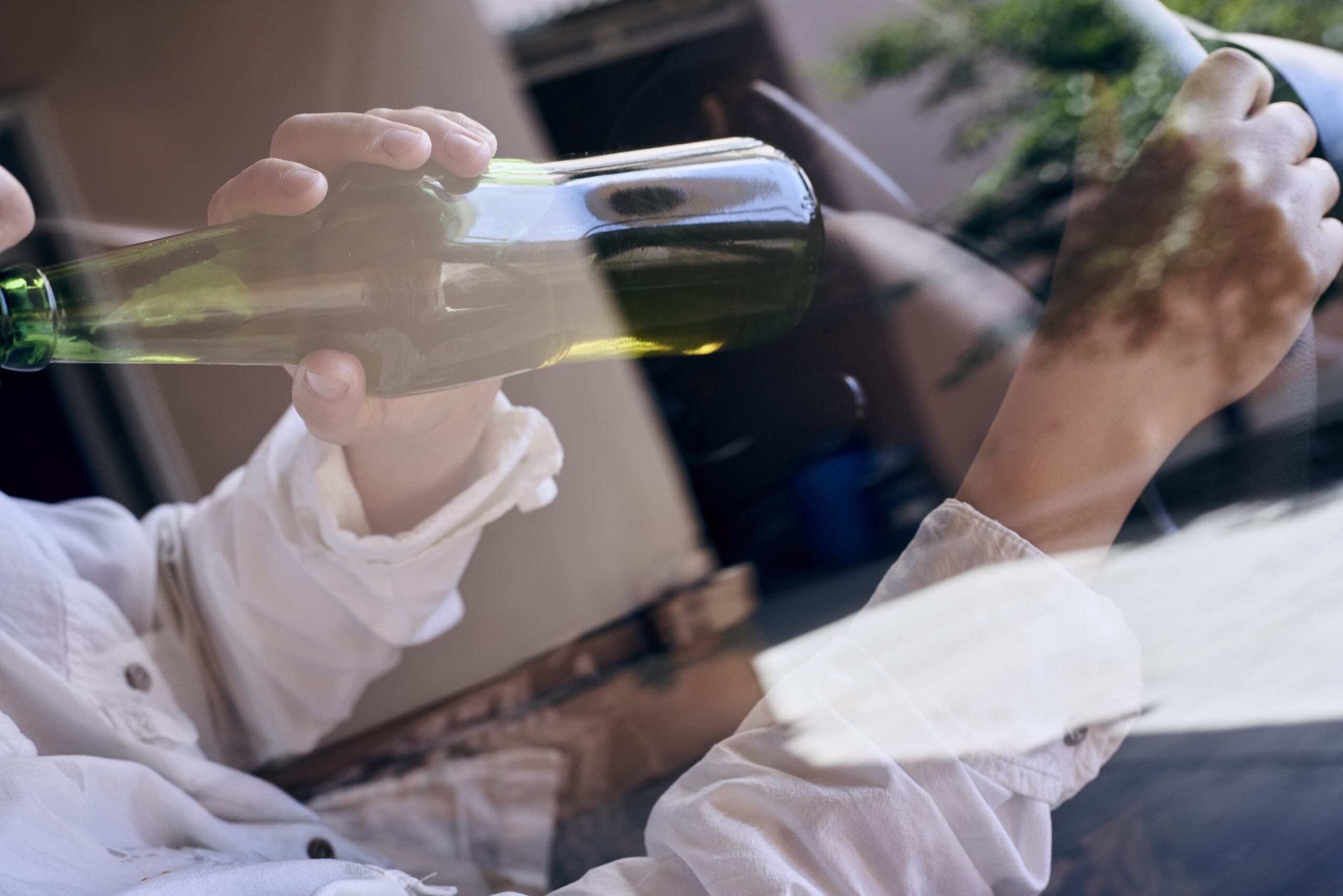
Picture this. A driver stops at a gas station just off Highway 169 in Tulsa late on a Saturday night. He is slurring his words, fumbling with his wallet, and stumbling toward the cooler. The clerk rings him up for a 12-pack of beer anyway. Thirty minutes later, that same driver runs a red light on Memorial Drive and slams into a family coming home from dinner.
Under Oklahoma law, the drunk driver is clearly responsible for the crash. But the story may not end there. The store that sold him alcohol when he was already visibly drunk may also share legal responsibility under what is known as dram shop liability.
This concept has been around for decades, but it has only recently grown to include stores that sell alcohol for consumption off the premises.
“Dram shop” is an old-fashioned legal term. A dram used to mean a small unit of liquor, and a dram shop was a place that sold it. Today, dram shop laws are the rules that hold alcohol sellers responsible when they serve or sell to someone they should not, and that person then hurts someone else.
Most people think of dram shop claims as bar cases. A bartender keeps pouring drinks for a clearly drunk customer, the customer drives home, and someone gets hurt. That is the classic scenario.
What is newer in our state is the idea that a gas station clerk or liquor store cashier can also be on the hook for the same kind of behavior. This is where off-site dram shop liability in Tulsa comes in, and where most people are surprised by how far the law now reaches.
Before 2017, Oklahoma courts drew a hard line. Bars and restaurants that served alcohol for drinking on the premises could be sued under dram shop law. Stores that sold alcohol to take home could not. The thinking was that once alcohol left the store, whatever happened next was on the buyer.
That changed with Boyd v. ASAP Energy, Inc. The facts were troubling. A man spent hours drinking heavily, drove to a convenience store, bought more beer while still intoxicated, and later caused a devastating crash.
The victims sued the store. The trial court and the Court of Civil Appeals both dismissed the claim, saying no such cause of action existed in Oklahoma for off-premises sales.
The Oklahoma Supreme Court disagreed. In its ruling, the court held that Oklahoma recognizes a legal claim when a commercial alcohol seller sells to a noticeably intoxicated adult for off-premises use, and the sale leads to injury. This decision opened the door for liquor store liability in a drunk driving case in Oklahoma and changed the legal landscape for crash victims across the state.
The ruling reaches far beyond one gas station chain. It covers any commercial vendor licensed to sell alcohol for off-site consumption. That list is broad and includes:
Any of these businesses can potentially be named in a lawsuit if the facts line up. The type of store matters less than the behavior of the clerk and the condition of the buyer at the moment of sale.
These cases are not simple. Unlike a bar case, where patrons drink in front of staff for hours, a store sale happens in minutes. Proving the clerk saw, or should have seen, clear signs of intoxication is the heart of the case. To succeed in a convenience store alcohol liability in a drunk driving in Oklahoma claim, several elements usually must be shown:
Meeting each of these points takes careful investigation and strong evidence. That is why a Tulsa dram shop attorney team with experience in these specific cases can make such a difference in the outcome of a claim.
On-site dram shop cases often have witnesses. Other patrons, waitstaff, and bartenders can describe how much the drunk driver had to drink and how he behaved. In off-site cases, the evidence is thinner. The sale takes a few seconds, the buyer leaves, and no one sees him again until the crash.
Courts also look at timing closely. A sale made moments before a wreck is treated very differently from a sale made hours earlier. Defense lawyers for the store often argue the buyer got drunk after leaving, that the clerk had no reason to suspect anything, or that other factors caused the crash. Each of these defenses has to be met head-on with solid facts.
Another challenge is that many clerks work alone during late-night shifts. They are busy, tired, and often trained to move customers through quickly. Video footage may or may not be clear. Receipts show what was sold, but not who was sober. Building the full picture takes time, expert help, and a willingness to dig deep.
Strong dram shop cases are built on documentation and witness accounts. The most useful evidence usually includes:
Each piece on its own may seem small. Together, they can paint a clear picture of what happened at the counter and why the store should have stopped the sale. Preserving this evidence early is important because video tends to be overwritten quickly and memories fade.
State law backs up the idea that stores have a duty to avoid selling to obviously drunk customers. Under Oklahoma Statute Title 37A, Section 6-101, it is illegal to sell or knowingly furnish alcoholic beverages to an intoxicated person.
A separate statute, 37A O.S. Section 6-121, sets out criminal penalties for knowingly selling alcohol to someone who is intoxicated, including fines and possible jail time. The Oklahoma Alcoholic Beverage Laws Enforcement Commission also has the power to revoke licenses for repeat offenders.
These laws matter for civil cases too. When a store breaks a safety statute that is meant to protect the public, that violation can help prove negligence in a civil lawsuit. The rules are not just suggestions. They are part of how the state tries to reduce the toll of drunk driving crashes on Oklahoma families.
When a crash caused by a drunk driver leaves someone hurt or grieving, the losses can reach far beyond the hospital bill. A successful claim against a store and the driver together can seek compensation for a wide range of harms, such as:
Every case is different, and the value depends on the severity of the injuries, the evidence available, and the policies of the parties involved. A careful legal review is the best way to understand what a specific case may be worth. For a deeper look at how cases involving bars or punitive awards are valued, read our guide on drunk driving damages here.
Below are answers to common questions we hear from families dealing with the fallout of a drunk driving crash tied to a store sale.
In Oklahoma, yes, you may be able to bring a claim if the store sold alcohol to a noticeably intoxicated person and that sale contributed to the crash. The Boyd v. ASAP Energy, Inc. decision made this type of claim possible, though each case depends on the specific facts, the timeline, and the evidence available.
Most personal injury cases in Oklahoma, including dram shop claims, must be filed within two years of the date of the crash. Waiting too long can cause the claim to be dismissed no matter how strong the evidence is, so it is wise to talk with a lawyer as soon as possible.
Signs can include slurred speech, stumbling, glassy or bloodshot eyes, the smell of alcohol, confused behavior, or loud and erratic conduct. A clerk does not need medical training to notice these signs. The question is whether a reasonable person would have seen the buyer was drunk.
Yes. The Boyd case itself involved low-point beer sold at a convenience store. Oklahoma law has since modernized, and the dram shop principles announced in Boyd apply broadly to commercial sales of alcoholic beverages for off-site use.
That can complicate matters. Later Oklahoma decisions have narrowed liability in situations where the store never sold directly to the person who later caused the wreck. The facts of each case matter, and a careful review is the best way to know if a claim is possible.
If a convenience store or liquor retailer sold alcohol to the driver who caused your crash, you may have more than one path to recovery.
These cases require fast action and careful investigation to preserve evidence and build a strong claim. Let’s talk about what happened and how we can help you move forward.
At Graves McLain Injury Lawyers, we bring deep experience with Oklahoma dram shop claims and the kind of careful investigation these cases demand. If a convenience store, gas station, or liquor retailer sold alcohol to the driver who hurt you, we want to help you find out whether that sale can be part of your claim.
Contact us at 918-359-6600 for a free consultation. There is no fee unless we recover compensation for you, and the first call costs nothing but a few minutes of your time.