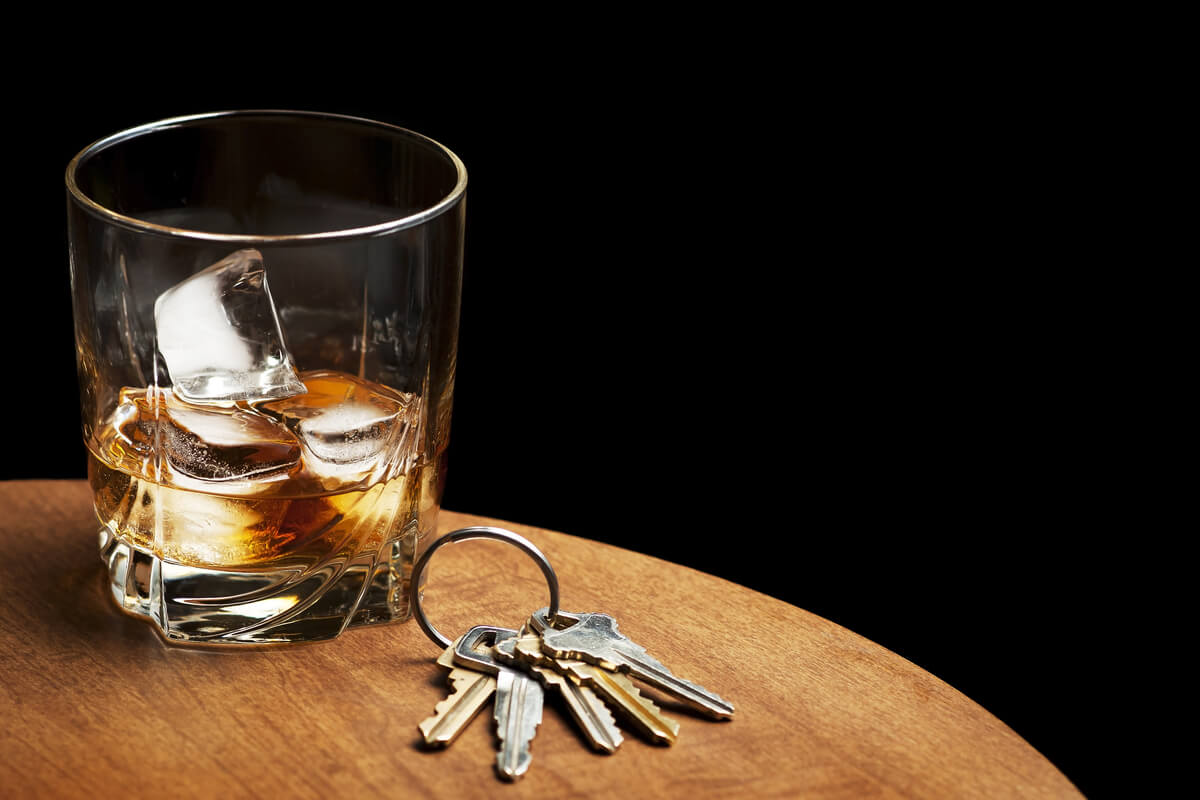
Yes, you may be able to recover punitive damages in a drunk driving accident in Oklahoma and sue a bar, restaurant, or liquor store if they served alcohol to someone who was clearly intoxicated and that person caused your injuries.
When a drunk driver crashes into you, or a bar keeps pouring drinks for someone who is clearly intoxicated, the harm goes far beyond a typical accident. State law often allows for punitive damages for a drunk driving accident in Oklahoma, on top of the money paid for medical bills and lost income.
These extra damages are meant to punish reckless behavior and send a message to anyone else who might do the same thing.
Punitive damages in drunk driving cases are often available when the driver’s conduct was reckless enough to meet Oklahoma’s legal standard. Dram shop cases, which target the bar, restaurant, or liquor store that served the alcohol, have a higher hurdle to clear. Both can exist in the same lawsuit, but they are judged by different rules.
Punitive damages, sometimes called exemplary damages, are money awarded on top of your regular compensation. They are not meant to pay for your losses. Instead, they punish the person or business that hurt you and warn others not to repeat the same behavior.
The legal authority for these awards comes from Title 23, Section 9.1 of the Oklahoma Statutes. Under this law, a jury can award punitive damages only when the plaintiff proves the defendant’s misconduct by clear and convincing evidence. That is a higher burden than the normal “more likely than not” standard used in most civil cases.
Oklahoma courts do not hand out punitive damages lightly. The behavior has to be more than a simple mistake or an ordinary traffic violation. Some examples of conduct that may support a punitive damages claim include:
These situations can show a conscious disregard for the safety of others, which is often the foundation of a punitive damages claim.
Before looking at punitive damages, it helps to understand what compensatory damages cover. These are the damages that make you whole again after a wreck. They fall into two groups: economic damages, which are the out-of-pocket losses you can add up on paper, and non-economic damages, which cover the harm that does not come with a receipt but still changes your life.
Every one of these items is real, and they often make up the bulk of a drunk driving accident settlement in Oklahoma.
Punitive damages, on the other hand, are about the defendant’s behavior, not your losses.
Oklahoma does not treat every punitive damages case the same. The law breaks these awards into three categories based on how bad the conduct was and how strong the evidence is.
Most drunk driving cases that support punitive damages fall into Category I, though the worst cases can climb into the higher tiers. The specific facts of the crash, such as the driver’s BAC, prior DUI history, and behavior after the wreck, can push a case from one category to another.
These tiers are the framework every Oklahoma jury works within when they consider whether to award punitive damages in a drunk driving case.
Oklahoma courts have long recognized that drunk driving is one of the clearest examples of reckless conduct. When someone chooses to drive after drinking, the risk of serious harm to others is obvious. Juries often view this kind of choice as exactly the type of behavior punitive damages were designed to address.
Still, just showing that the driver was legally intoxicated is not always enough. Your attorney will typically build a record that goes beyond the BAC number. That record might include:
Each piece of evidence helps tell the story of how reckless the driver was. The stronger the story, the better the chance a jury will award punitive damages in addition to compensatory damages.
A dram shop claim is different from a claim against the drunk driver. “Dram shop” is an old term for a place that sells alcohol, and dram shop laws allow injury victims to hold those businesses responsible in certain situations. In Oklahoma, bars, restaurants, and liquor stores can face liability when they serve alcohol to someone they should not.
Oklahoma’s rules on alcohol sales come from Title 37A of the Oklahoma Statutes, along with court decisions that have shaped dram shop liability over the years. The leading case, Brigance v. Velvet Dove Restaurant (1986), held that a vendor who serves a noticeably intoxicated person can be liable when that person hurts someone else.
Later, in Boyle v. ASAP Energy, Inc. (2017), the Oklahoma Supreme Court extended this rule to commercial vendors selling alcohol to a noticeably intoxicated person for off-premises consumption, such as at a convenience store or liquor store.
To succeed in a dram shop case in Oklahoma, a plaintiff generally needs to show:
These elements are fact-heavy and often require quick investigation to preserve surveillance video, receipts, and staff statements before they disappear. That is why it helps to speak with an experienced Tulsa dram shop attorney as soon as possible after a drunk driving crash you believe involved over-service.
Punitive damages for a dram shop claim in Oklahoma are possible, but they come with an extra challenge. The vendor’s conduct must meet the same heightened standard that applies to any other defendant: reckless disregard, gross negligence, or intentional and malicious behavior.
Simply proving that a bartender made a mistake is usually not enough. To support punitive damages against an alcohol vendor, the evidence often needs to show a pattern of bad behavior, not just a single slip. Examples that may support a punitive damages claim against a bar or store include:
When that kind of evidence exists, a jury may find the vendor’s conduct reckless enough to justify punitive damages. When it does not, the case may still succeed for compensatory damages but fall short on the punitive side.
This is a big reason why dram shop cases benefit from careful investigation and legal analysis from the start.
Punitive damages can change the outlook of a case in a major way. They do not replace compensatory damages. Instead, they sit on top of them, which is why their availability often becomes a central issue in settlement talks.
Insurance companies pay close attention to whether a case might support punitive damages. When the facts are strong, insurers may raise offers to reduce the risk of a larger jury award. Several things can influence this dynamic:
Each of these factors can shift the value of your claim up or down. Careful preparation from the start is often what makes the difference between a modest settlement and a full-value recovery.
Oklahoma generally gives injury victims two years from the date of the crash to file a personal injury lawsuit. That deadline, called the statute of limitations, applies to both the drunk driver and any dram shop defendant. Missing it can end a case before it even starts.
Two years may sound like plenty of time, but alcohol-related cases need fast action for another reason. Evidence disappears quickly, and much of it is controlled by the very businesses you may need to hold accountable.
Quick legal action helps protect the evidence you will need to support both compensatory and punitive damages.
Here are answers to common questions we hear from people dealing with alcohol-related crashes in and around Tulsa.
Yes, it is possible in both situations, but the evidence must meet Oklahoma’s clear and convincing standard. Drunk driving often supports a punitive damages claim against the driver. A claim against the bar or store usually requires stronger proof that the vendor knowingly served a noticeably intoxicated person or someone under 21.
You may still have options. Uninsured or underinsured motorist coverage on your own policy can sometimes fill the gap. A dram shop claim against a bar or liquor store may also add another source of recovery, depending on the facts.
Oklahoma allows wrongful death claims when a loved one dies because of another person’s negligence or misconduct. Punitive damages can be part of that claim when the evidence supports them, though specific rules and deadlines apply.
The value of a drunk driving accident case in Tulsa depends on many factors. Those include the severity of your injuries, the available insurance coverage, the driver’s assets, and whether punitive damages apply.
At Graves McLain Injury Lawyers, we have spent years standing up for injured people across Tulsa and the rest of Oklahoma. We know how to investigate drunk driving crashes, build dram shop claims against bars and stores that served too much, and push for the full range of damages allowed by law, including punitive damages when the facts support them.
Your consultation is free, and we handle injury cases on a contingency fee basis, so you pay nothing unless we recover for you. Call us today at 918-359-6600 or reach out through our website to talk with our team. We are ready to listen, answer your questions, and help you take the next step toward accountability and recovery.