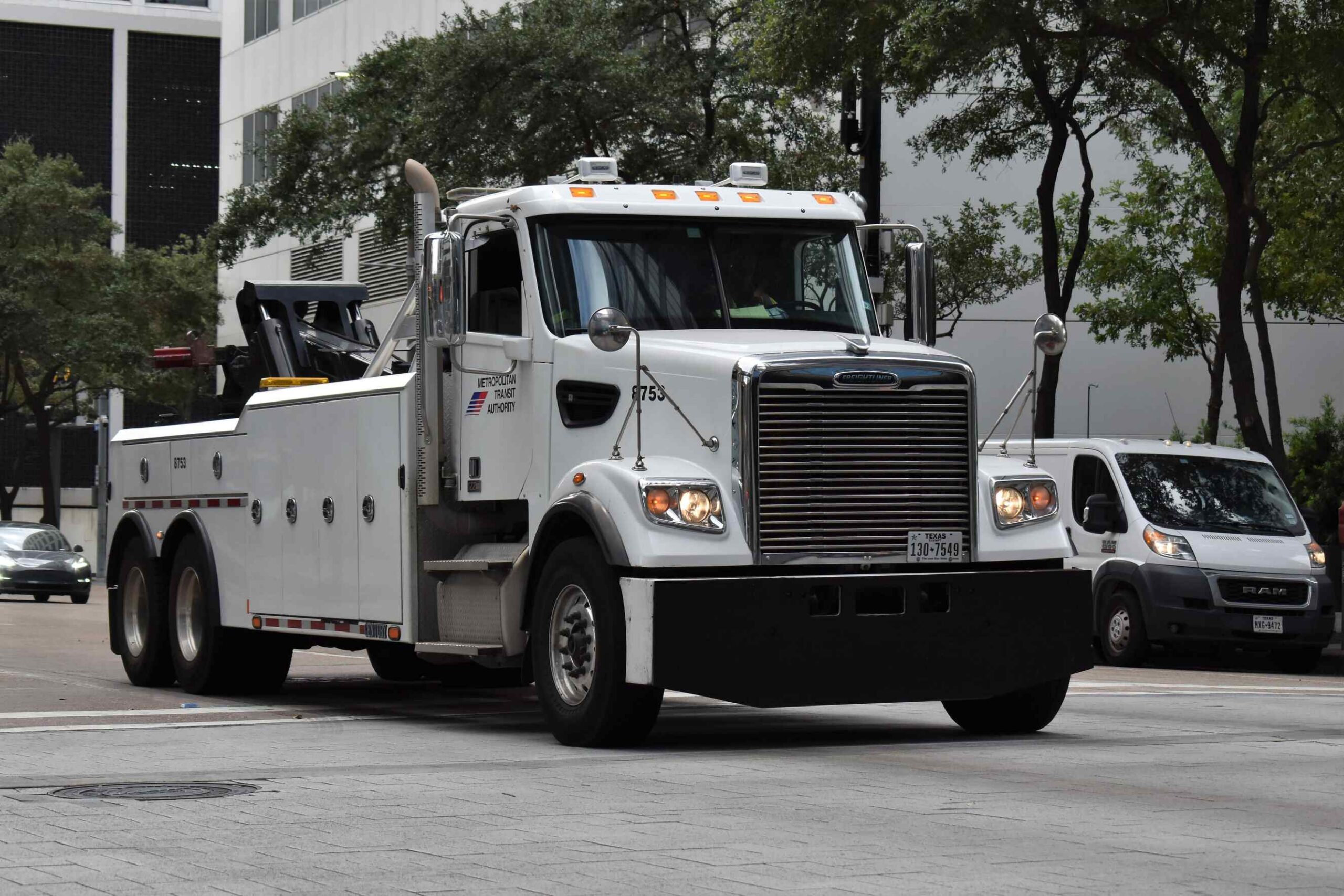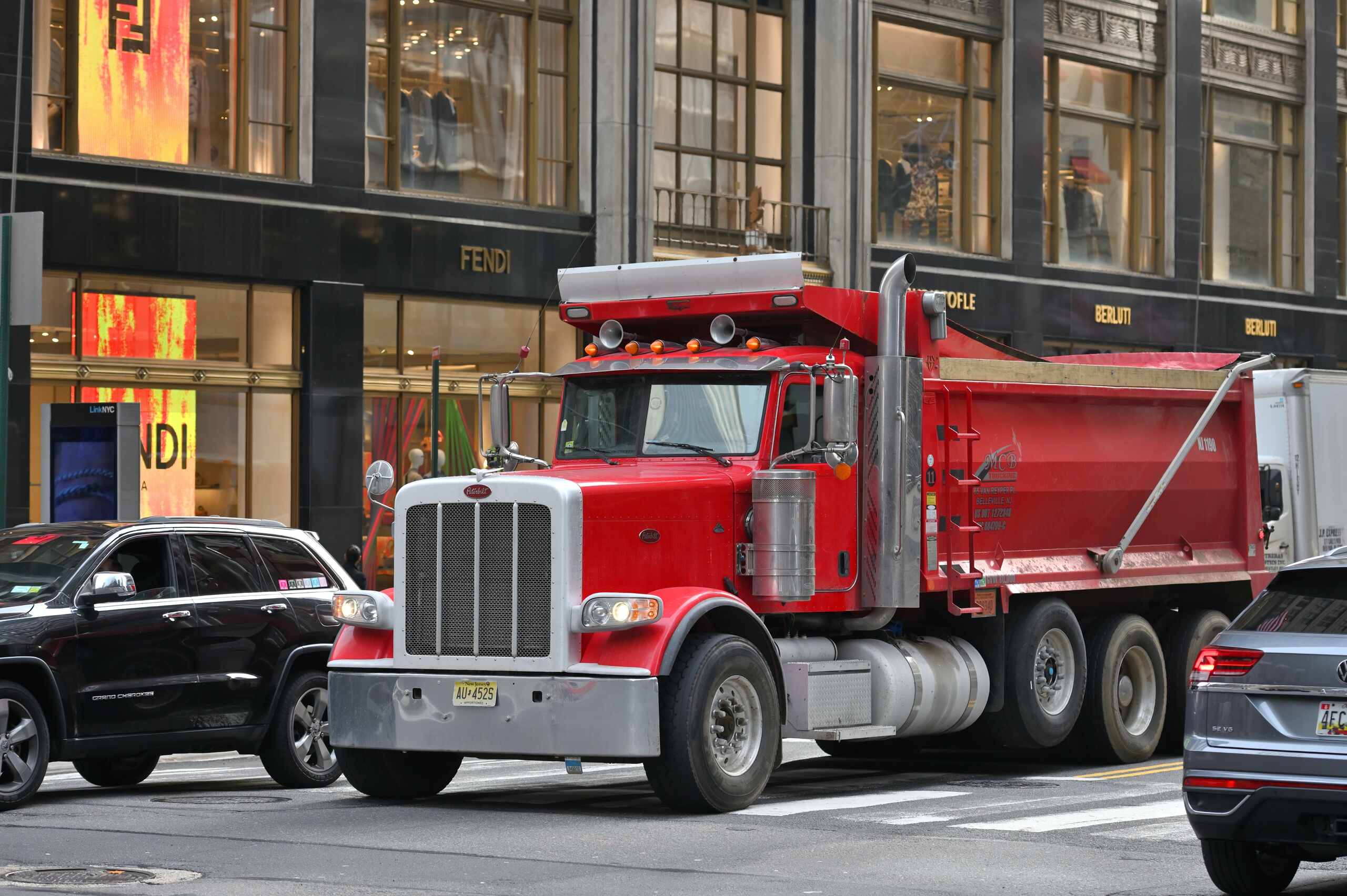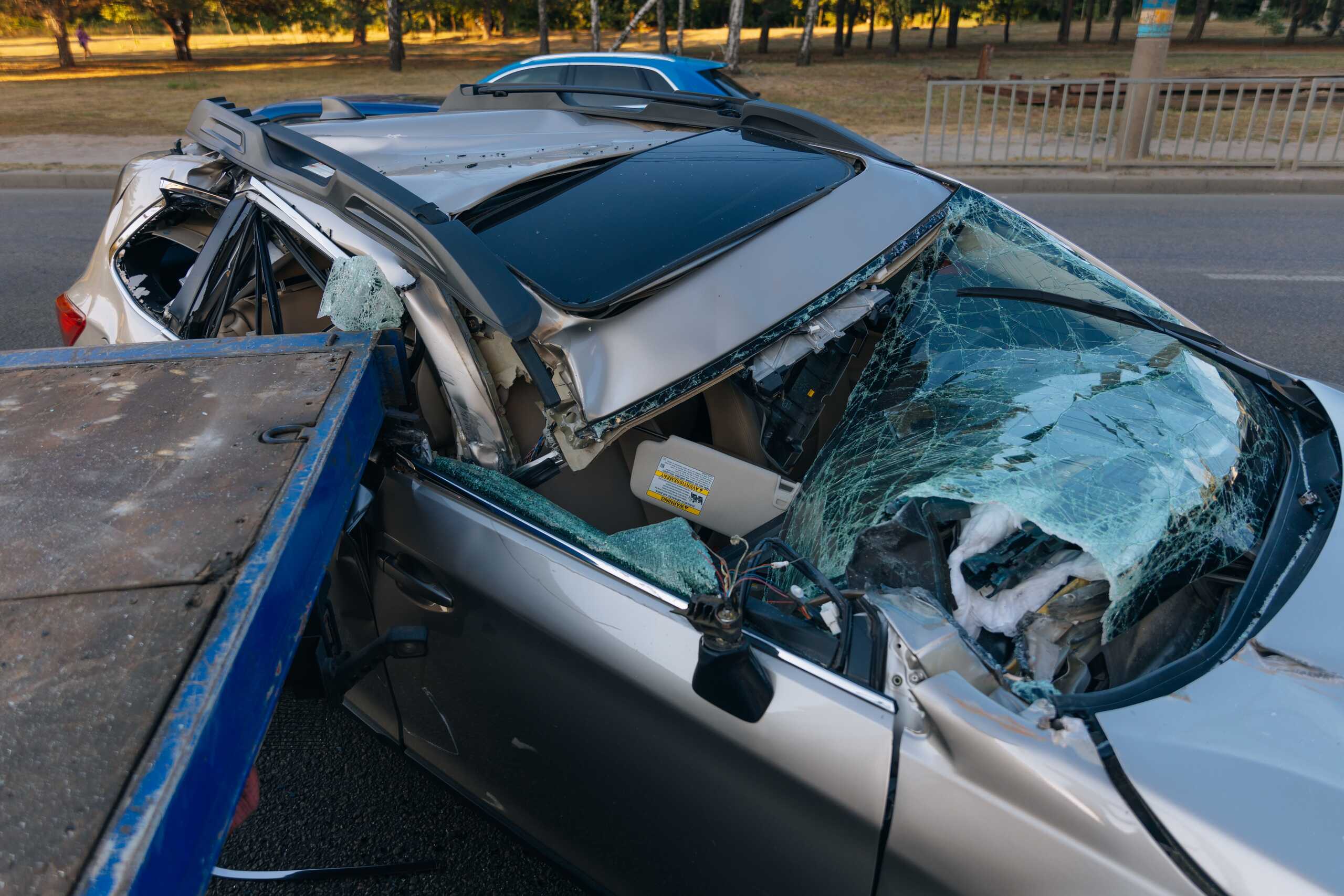
Six months after a semi drifted across the center line on Highway 75, the worst of your recovery is behind you, and your case is not. No one at Graves McLain Injury Lawyers can hand you a date on a calendar, because the answer depends on your injuries, the carrier, and how many companies had a hand in that trip. What can be described honestly is the shape of the timeline, stage by stage, so the waiting stops feeling like nothing is happening.
One to three years from filing is the range most injured people land in. A crash with clear liability, a cooperative carrier, and finished medical treatment can be resolved in under a year, sometimes without a lawsuit at all.
Serious injuries push the other direction. When treatment is not finished, or when the long-term outlook is still unsettled, settling early means guessing at the value of care that has not happened yet.
Whatever the total ends up being, the months break into recognizable stages:
Most of that first stage happens before a petition is ever filed. Records requests, preservation letters, and vehicle inspections all belong to the months when a lawsuit does not yet exist on any docket. A collision investigated thoroughly in that window often settles without ever reaching a courtroom.
More parties, more records, and more money at stake. A two-car passenger collision usually involves two drivers and two insurers. In contrast, a commercial wreck can pull in a motor carrier, a broker, a maintenance vendor, and a company that loaded the trailer.
Several features stretch a commercial claim past the pace of an ordinary auto case, including the following:
None of that is wasted time. Every one of those threads either raises the value of the claim or closes off a defense that would otherwise be available, and the threads move in parallel rather than one after another.
Two years from the date of the injury. Under Okla. Stat. tit. 12, § 95(A), an injured person has that long to file suit, and a petition filed after the window closes is almost always finished before it starts.
Filing on day 700 is legal and still costly. A carrier’s records, its drivers, and its dispatch data are far easier to reach in month two than in month 23, and a case built late is a case built on whatever survived.
Specifically, the two-year deadline governs the lawsuit, not the investigation. Most of the work that determines what a claim is worth happens well before that date arrives.
Filing a petition and serving it are two different jobs. Under Okla. Stat. tit. 12, § 2004, service on each defendant has to be completed within 180 days of filing. Missing that deadline dismisses the case as to that defendant without prejudice, meaning the claim can be refiled, unless good cause is shown.
That clock matters more in trucking cases than most people expect. A driver who has since changed employers and a registered agent who no longer represents the company both turn a routine step into weeks of work. The statute does carve out a defendant who remains outside Oklahoma for the full period, which is a question worth answering early rather than assuming.
The practical answer is to identify every defendant and their registered agents before filing rather than after. Getting service right the first time protects the schedule for everything that follows, and a dismissal for late service can cost close to a year.
The answer is due 20 days after service, and an extension is easy to get. Under Okla. Stat. tit. 12, § 2012, a defendant who files a reservation of time gets another 20 days beyond the original due date.
That extension is not free, though. A defendant who files a reservation of time gives up six defenses in exchange, including the arguments that the court has no authority over that company, that the case belongs in a different county, and that it was never properly served.
Multiply those extensions across four defendants, and the pleadings stage alone can absorb two or three months before discovery formally opens.
That period is not dead space, though. Written discovery can go out as early as the rules allow, so answers start arriving the moment the other side is obligated to give them.
Discovery usually takes the largest share of the case timeline, often lasting a year or more in serious truck accident claims. During this phase, both sides exchange documents, answer written questions under oath, and participate in depositions.
Discovery in a commercial truck accident case typically includes these steps:
Each step is governed by deadlines in the court’s scheduling order. Missing even one deadline can delay the trial for months, which is why our attorneys track every deadline from the moment the court issues the order.
Learn how Federal Motor Carrier Safety Administration (FMCSA) violations can strengthen your legal claim by reading Graves McLain’s complete guide on Oklahoma truck accident regulations.
Usually one of five things, and only some are within anyone’s control. Knowing which one is affecting your case makes the wait far easier to sit with. The common causes of delay look like the following:
Notice that most of those delays exist because the claim is worth pursuing carefully rather than closing quickly. A file that moves slowly for one of these reasons is usually a file that is being built correctly.
Most cases never reach a jury, though preparing as though yours will is what tends to produce a fair offer. A trial itself usually runs several days to two weeks, depending on how many defendants and outside witnesses are involved. Getting to that setting, though, generally takes 18 months to two years from the day the petition is filed.
A verdict is not always the last word. Under Okla. Stat. tit. 12, § 990A, either side has 30 days from the filing of the judgment to begin an appeal, and an appeal can add a year or more before any money changes hands.
Appeals after plaintiff verdicts are less common than the prospect of one suggests. The possibility comes up in negotiation more often than it is acted on.
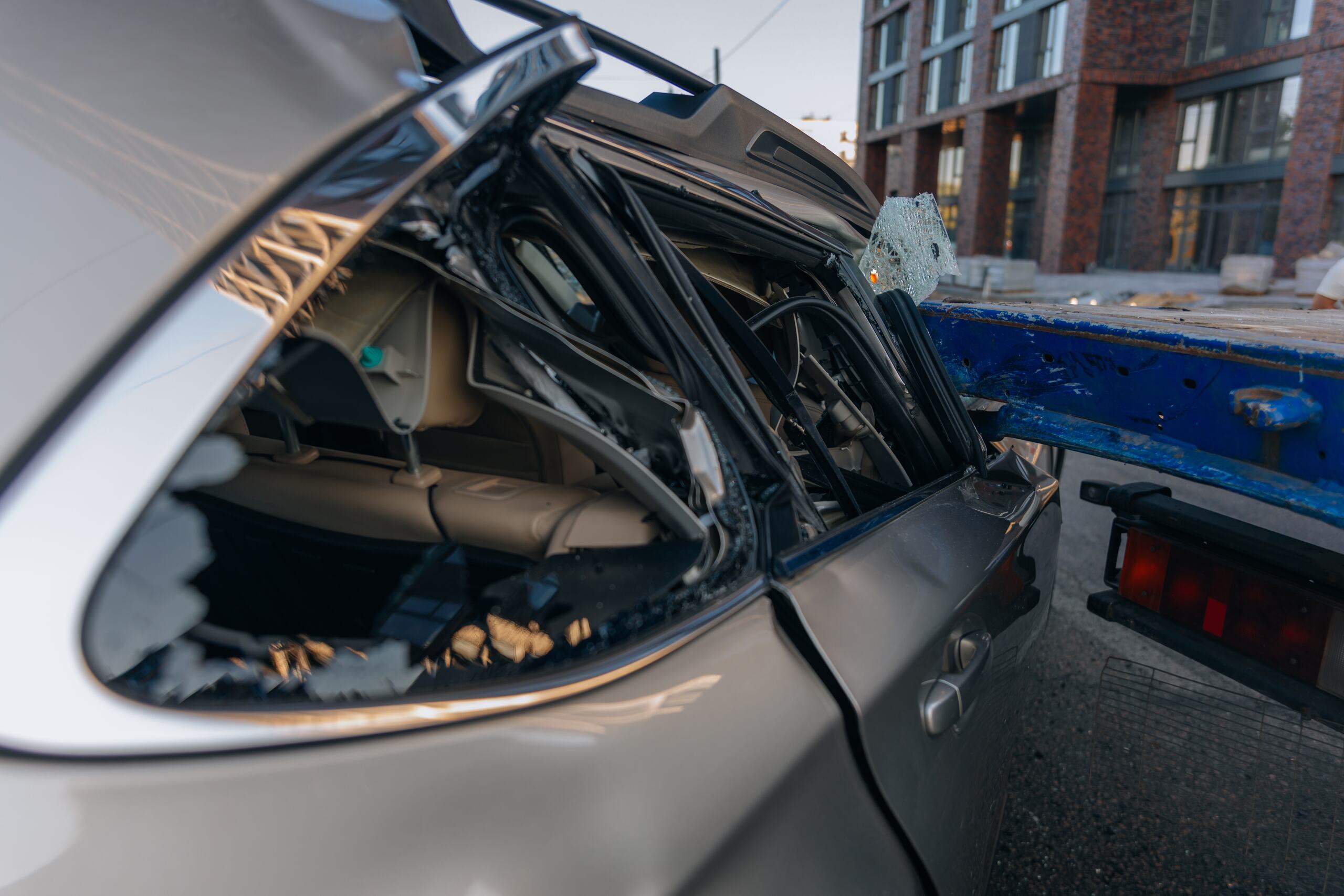
These are the questions injured Oklahomans ask most often once a case is already underway.
Usually, 30 to 60 days after everyone signs. The insurer sends the settlement funds into a client trust account, and before anything is disbursed, outstanding medical liens and health plan reimbursement claims have to be resolved, which is the step that takes time. Those balances can often be negotiated down, and every dollar removed from a lien is a dollar that stays with the injured person.
Often, yes, and waiting is usually the better choice. Settling before treatment is complete means accepting compensation without knowing the full cost of future care, and a signed release permanently closes your claim. Waiting a few more months can help account for the value of additional treatment and long-term medical needs.
It can, and it also tends to shrink what a case is worth. Records that would have taken one letter to preserve in month one can require a court order in month 18, and some of them no longer exist by then. Every week of delay adds work that has to happen before the real timeline can even begin.
Mediation is a settlement conference led by a neutral third party and typically adds only a day for the session, plus a few weeks for scheduling. Each side presents its position privately, and the mediator works to negotiate a resolution without making any decisions. Many commercial truck accident cases settle during or soon after mediation.
A bankruptcy filing pauses the civil case against that company, sometimes for months, under the automatic stay, the freeze federal bankruptcy law puts on lawsuits the moment a company files. The insurance policy that covered the wreck usually remains available, so the claim itself rarely disappears. Cases like these often shift focus toward the carrier’s insurer and any other responsible business while the stay is in place.
A few things genuinely help. Attending every medical appointment, reporting new symptoms promptly, returning signatures quickly, and staying off social media all remove friction that would otherwise cost weeks. Beyond that, the pace belongs to the court calendar and to the other side.
No amount of pressure from an injured person speeds up a case that is headed for a trial date.
Rarely, and never without reading what the release actually says. A first offer that arrives during treatment is made before anyone knows what the claim is worth, and accepting it ends every claim connected to the collision, including any part of the loss that is not yet documented. Knowing the full value of a case first is what makes the speed question answerable.
Waiting is easier when someone can tell you what comes next and why. Daniel B. Graves and W. Chad McLain built this practice around serious injury cases, and commercial claims in this area are handled in Tulsa County District Court or, where a carrier removes them, the U.S. District Court for the Northern District of Oklahoma.
Our Tulsa truck accident attorneys can examine the collision, the carrier, and your medical picture, then explain honestly how long a case like yours tends to take.
Consultations are free, and there are zero out-of-pocket fees at any stage. Reach Graves McLain Injury Lawyers at (918) 359-6600 or contact us online to schedule a free case review. You pay nothing unless we recover for you.