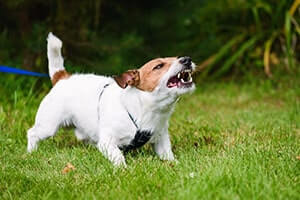
A child’s laughter in a park can turn to tears in a heartbeat when a dog attacks. As a parent, your first instinct is to protect and comfort your child. Once the immediate medical crisis passes, anger and worry set in. You face medical bills for reconstructive surgery and therapy sessions for your child’s trauma. You naturally ask, Can I sue the owner?
The simple answer is yes. In Oklahoma, parents have the legal right to file a lawsuit on behalf of their minor child. The law protects children fiercely, recognizing they are the most vulnerable victims of animal attacks. According to the Centers for Disease Control and Prevention (CDC), children are the most common victims of dog bites and are far more likely to be severely injured than adults.
Graves McLain Injury Lawyers fights for families affected by dog bites. We recognize that an attack on a child leaves scars that go deeper than the skin. We work to secure a settlement that covers not just today’s stitches, but tomorrow’s scar revision surgeries and counseling.
Our firm has secured millions in settlements and verdicts for injury victims. We investigate the dog’s history and the owner’s insurance coverage. We handle the legal burden so you can focus on helping your child heal.
Key takeaways about kids and dog bite cases:
Since a child under 18 lacks the legal capacity to hire an attorney or file a dog bite lawsuit, the parent acts as the next friend or guardian. This means you make the legal decisions on their behalf. This procedural nuance ensures that a child’s rights are protected by a competent adult who has their best interests at heart.
You file the claim in your name as the parent and natural guardian of the minor. The lawsuit seeks compensation for the child’s pain and suffering, which belongs to the child. It also seeks reimbursement for the medical bills you, as the parent, pay. Legally, the medical debt belongs to the parent, while the bodily injury belongs to the child. We structure the claim to ensure both debts are satisfied.
If we settle, a judge usually must approve it. This hearing, called a friendly suit, ensures the settlement amount is fair and in the child’s best interest. The judge wants to verify that the money will truly benefit the child and that the dog bite attorney fees and medical liens are reasonable. This adds a layer of protection against parents or guardians who might misuse the funds.
Settlement funds for a minor often go into a trust or a restricted bank account until the child turns 18. This prevents anyone from spending the money on household bills or non-essential items. We help set up these accounts to comply with court orders.
In some cases involving large settlements, we establish structured settlements that pay out over time (e.g., for college tuition or at age 25) to prevent a young adult from spending a lump sum irresponsibly.
 Oklahoma operates as a strict liability state. Oklahoma Statute Title 4 Section 42.1 makes owners liable for dog bites regardless of the dog’s past behavior. This law applies particularly strongly when involving children, removing many of the defenses owners might use against adults.
While owners can argue that an adult provoked a dog, this defense is often ineffective against a young child. Courts recognize that a toddler pulling a tail or moving quickly does not constitute provocation in the same way an adult taunting a dog does. Children lack the capacity to understand canine body language. We argue that normal child behavior is foreseeable and that owners must secure their pets accordingly.
The child must have occupied the property lawfully. If your child played at a neighbor’s house by invitation or visited a public park, the strict liability rule applies. Even if a child wanders onto a property, the attractive nuisance doctrine might protect them. This legal concept states that if a property owner has something that attracts children (like a pool or a friendly-looking dog), they have a higher duty to protect trespassing children who do not understand the danger.
If the dog has bitten before, it might appear on a dangerous dog registry. This history strengthens the case and might open the door to punitive damages if the owner failed to secure the animal properly.
We check municipal records to see if animal control had previously cited the owner. A history of aggression proves the owner knew the risk and ignored it.
Dog bites affect children differently than adults. Their small stature puts their face and neck within easy reach of a dog’s jaws. The medical treatment required is often more extensive and specialized due to their developing bodies.
A scar on a child’s face can stretch and change as they grow. A scar that looks small on a 5-year-old may distort facial features by age 15. A single surgery rarely suffices.
We consult with plastic surgeons to estimate the cost of future scar revisions that may be necessary in adolescence or adulthood. We factor in the price of laser treatments, steroid injections, and surgical excision.
The emotional impact on a child can be devastating. They may develop a lifelong phobia of dogs (cynophobia), nightmares, or regression behaviors like bedwetting. Post-Traumatic Stress Disorder (PTSD) in children manifests differently than in adults.
We include the cost of child psychology and trauma therapy in the demand package. We interview teachers and family members to document changes in the child’s behavior and personality.
Children’s immune systems are still developing. They face higher risk for complications from infections like Pasteurella or Capnocytophaga canimorsus. We monitor the medical records for any signs of systemic infection that could cause long-term health issues or require hospitalization. Deep puncture wounds can also damage growth plates in the bones, potentially affecting limb development.
Parents often worry about suing a neighbor or friend. You must remember that you are seeking compensation from an insurance company, not the individual’s personal savings. This distinction helps preserve relationships while ensuring your child’s needs are met.
The primary source of funds is usually the dog owner’s homeowner’s or renter’s insurance policy. These policies typically cover dog bites that occur on the property, as well as those that occur off the property. We request a copy of the declaration page to verify the coverage limits immediately.
Most policies have a limit, such as $100,000 or $300,000. If your child’s dog bite injuries are severe, we investigate whether the owner has an umbrella policy that provides additional coverage. If damages exceed the policy limits, we look for other assets, but the insurance policy remains the primary target.
If the dog owner rents their home, the landlord might be liable if they knew a dangerous dog lived on the premises and did nothing. This provides an additional layer of insurance coverage for the claim. We investigate lease agreements and prior complaints from other tenants to establish if the landlord had notice of the danger.
Dog bites frequently happen at family gatherings. A grandparent’s dog or an aunt’s pet might bite your child. This creates an awkward situation, but your child’s needs must come first. You should not have to pay for expensive surgeries out of pocket when insurance exists for this exact purpose.
Most insurance policies cover family members as long as they do not live in the same household. If you visit grandma, her insurance should cover your child’s injury. The policy considers your child a “guest” or “invitee,” affording them full protection.
We handle the communication with the insurance adjuster so you do not have to argue with your relative. We explain that this is a business transaction with the insurance carrier, designed to pay for the medical bills your relative’s policy promised to cover. Often, the relative wants to help but doesn’t have the cash; using their insurance is the solution they prefer.
If you and your child live with the dog owner, the policy likely excludes coverage due to “household member” exclusions. In these cases, we have to look for other options, such as health insurance or the owner’s personal assets. We analyze the specific policy language to determine if any exceptions apply.
AI tools generate text based on broad patterns found on the internet. They lack the ability to analyze the specific details of a child injury case or the nuance of Oklahoma’s friendly suit requirements.
Relying on them for legal advice regarding your child’s claim puts their financial future at risk. Speak directly with a member of the Graves McLain team to ensure you receive advice tailored to your life.
An AI cannot recognize the specific court rules for approving a minor’s settlement in Tulsa County. It does not know how to set up a structured settlement annuity that grows tax-free for your child. Only a human attorney can manage these financial complexities.
AI relies on generic data. It cannot look at a photo of your child’s scar and tell you what a local jury would award for that disfigurement. A human attorney uses experience and local verdict data to value the case accurately.
Maybe. Young children are often not held to the same standard of provocation as adults. A jury might decide that a 3-year-old cannot legally provoke a dog because they do not recognize the consequences.
The daycare center has a duty to keep children safe. If they allowed a dog near the children, they likely bear liability for negligence in addition to the dog owner’s liability. We investigate their licensing and safety protocols.
Not necessarily. The lawsuit concerns money for medical bills. The decision to euthanize a dog is a separate administrative process handled by Animal Control, usually reserved for vicious attacks or repeat offenders.
Yes. If your health insurance paid for the initial treatment, they usually hold a subrogation lien on the settlement. We negotiate with them to reduce the amount you have to pay back, keeping more money for your child.
It depends on the child’s healing. We often wait until the child stops growing or reaches a certain age to settle, ensuring we account for all future surgeries. However, we can also reach a settlement sooner if the prognosis is clear.
 A dog attack on a child creates trauma that affects the whole family. Graves McLain Injury Lawyers provides the compassionate support and aggressive representation you need. We handle the legal battle so you can focus on comforting your child.
We investigate the owner, secure the settlement, and protect your child’s future.
Contact Graves McLain Injury Lawyers today at (918) 359-6600 for a free consultation regarding your child’s injury.