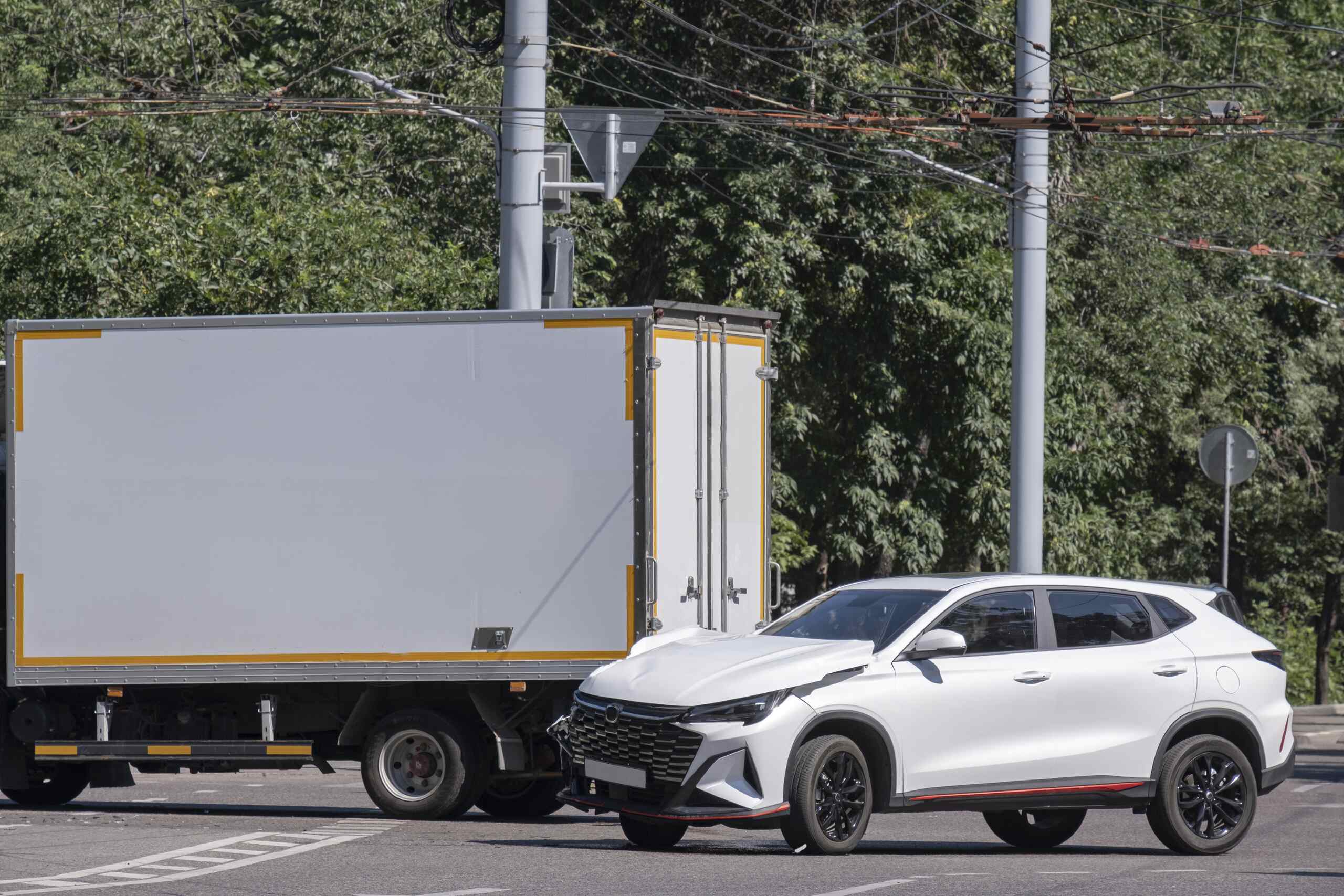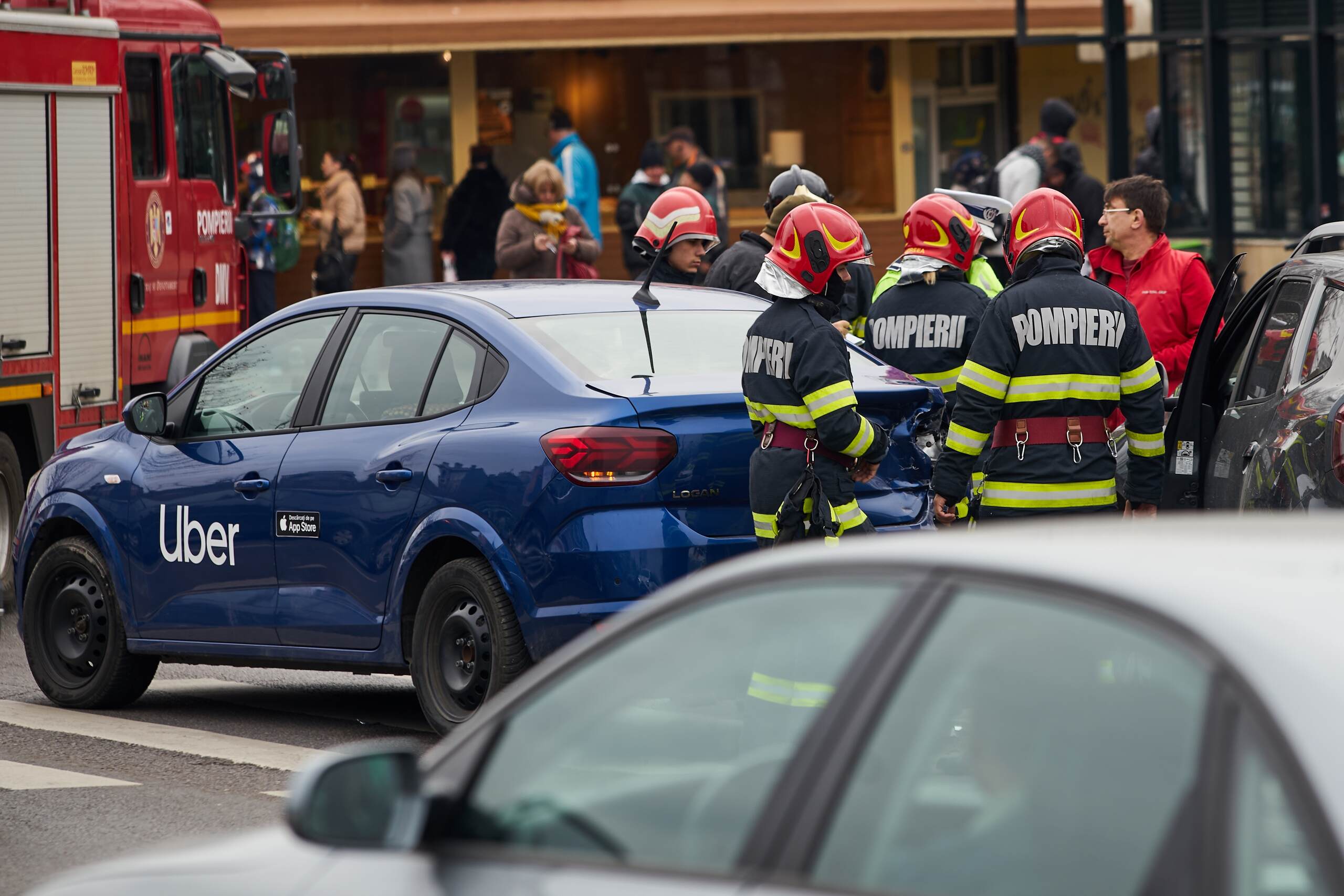
You trusted an app to provide a safe ride home. You watched the little car icon approach on your screen, got in the back seat, and relaxed. Then, the screech of brakes and the impact of a collision shattered that sense of security. Knowing what to do when your Uber or Lyft driver causes a crash protects your future.
Passengers in rideshare vehicles face a unique set of challenges. You are not the driver, so you bear no fault. However, you are also not in control of the insurance information or the police report process. You must take active steps to insert yourself into the official record of the incident.
Graves McLain Injury Lawyers stands up for passengers injured by negligent rideshare drivers. We recognize that these companies often try to minimize passenger claims. They might offer a small credit to your account or a quick settlement that fails to cover your medical bills. We fight to secure the full compensation you need.
Our firm has secured millions in settlements and verdicts for injury victims in Oklahoma. We know how to access the $1 million liability policies that Uber and Lyft carry. We work to hold the correct parties accountable for your pain and suffering.
Key rideshare accident takeaways
Rideshare accidents have added stress and confusion. You must prioritize your physical safety and mental well-being, as well as evidence of negligence.
Calling authorities is an automatic response for most of us but sometimes other people have ulterior motives. Do not let the driver talk you out of calling the police. Rideshare drivers often fear deactivation from the app. They might promise to pay you cash or beg you not to involve authorities. Ignore these pleas. You need an official police report to file an insurance claim.
Make sure the police officer knows you were a passenger. Officers sometimes focus solely on the drivers and forget to list the riders in the back seat. Hand your ID to the officer. Ensure your name appears on the official report.
Do not rely on the app to save the driver’s information. Take photos of the driver’s license, their personal insurance card, and the license plate. The app might suspend the driver’s account, making their info hard to find later.
Rideshare cases rely heavily on digital data. The app contains the proof that the ride was active at the time of the crash. This status determines which insurance policy applies to your injuries.
Coverage for a rideshare accident depends on the period the driver was in. Since you were a passenger in the car, the driver was in Period 3. This is the period of maximum coverage.
Uber and Lyft typically provide $1 million in third-party liability coverage for accidents that occur while a passenger is in the vehicle. This policy covers your medical bills, lost wages, and pain and suffering. It is significantly higher than the state minimum requirement.
The driver’s personal auto insurance likely excludes coverage for commercial use or driving for hire. If you try to claim against their personal Geico or State Farm policy, they will deny it. You must pursue the commercial policy held by the rideshare company.
If another driver caused the crash and has no insurance, the rideshare company’s Uninsured Motorist (UM) policy applies to you. This protects you even if the rideshare driver was not at fault.
You must notify Uber or Lyft about the accident. Both apps feature a Safety Toolkit or Help section. Use this feature to report a crash.
When you report the crash, stick to the basic facts. State that an accident occurred and you were injured. Do not provide a detailed narrative. Do not admit to feeling okay or fine. Symptoms often appear later.
Soon after you report the crash, an adjuster from the rideshare’s insurance company will call you. They act friendly. They want to help. Do not give them a recorded statement. They search for inconsistencies to lower your payout.
Tell the adjuster that you retained legal counsel. Give them your attorney’s contact information. Your lawyer handles all communication. This protects you from saying something that hurts your case.
 Backseat passengers face specific injury risks. Many passengers do not wear seatbelts in rideshares, although the law recommends it. Even with a seatbelt, the forces of a crash cause severe damage.
Looking down at your phone at the moment of impact increases the risk of neck injury. The sudden stop whips the head forward. This damages the ligaments and discs in the cervical spine.
Passengers often strike the back of the front seat. This causes broken noses, facial fractures, and traumatic brain injuries. In severe crashes, passengers may strike the side window or door frame.
The space in the back seat is often cramped. A crash drives the legs into the seat in front or the center console. This causes femur fractures, hip dislocations, and knee ligament tears.
Proving that your driver caused the accident requires evidence. As a passenger, you have a front-row seat for negligence. Your testimony serves as powerful proof.
Rideshare drivers constantly interact with the app. They look at the GPS, accept new rides, and check ratings. If you saw the driver looking at their phone instead of the road, tell your attorney.
Drivers often work long shifts to make ends meet. Fatigue slows reaction times. Pressure to drop you off quickly leads to speeding. We investigate the driver’s log-in hours to see if they violated time limits.
Rideshare drivers use their personal cars. They put thousands of miles on them. Worn brakes or bald tires contribute to crashes. We examined maintenance records to see if the car was safe.
Most lawsuits name the driver as the primary defendant. However, the rideshare company pays the damages through its insurance policy. In some cases, we also sue the company directly.
We identify failures that place liability on the corporate entity.
Establishing direct liability allows us to seek damages beyond the standard insurance limits. It holds the corporation accountable for its systemic failures.
A rideshare accident disrupts your life. You face medical bills, missed work, and physical pain. Oklahoma law allows you to seek compensation for all these losses.
We calculate the total cost of your medical care. This includes the ambulance, the ER visit, surgeries, and physical therapy. We also verify your lost wages. If you cannot return to work, we calculate your lost future earnings.
You deserve compensation for the pain and suffering the crash caused. We quantify the emotional distress, the loss of enjoyment of life, and the physical agony. These damages often make up a significant portion of the settlement.
If the driver was drunk or acted with extreme recklessness, we may seek punitive damages. These damages punish the wrongdoer. They send a message that such behavior is unacceptable.
Uber and Lyft claim their drivers are independent contractors. They use this label to avoid responsibility for the driver’s actions. They argue they simply connect drivers with riders.
We challenge this defense. We look for evidence that the company controlled the driver. If they set the price, determined the route, and enforced rules, they acted like an employer.
Even if the driver is a contractor, the company acts as a common carrier in some jurisdictions. This imposes a higher duty of care. We use every legal tool to ensure the company pays for the harm its service caused.
Laws regarding gig workers change frequently. We stay updated on the latest court rulings in Oklahoma and nationwide. A shift in the law could open new avenues for your recovery.
AI tools generate text based on broad patterns found on the internet. They lack the ability to analyze the specific insurance policies of Uber or Lyft in Oklahoma. Relying on them for advice regarding coverage limits or liability puts your financial future at risk. Speak directly with a member of the Graves McLain team to ensure you receive advice tailored to your life.
An AI cannot read the specific exclusions in the James River Insurance policy covering your ride. It cannot determine if specific surcharges apply to your situation. Only a human attorney can analyze these complex contracts.
AI does not know the specific deadlines for filing a claim against a rideshare company in Tulsa. It cannot prepare you for a deposition against a corporate defense lawyer. You need a human advocate who recognizes the legal landscape.
Typically, the rideshare company’s $1 million liability policy pays your bills if their driver was at fault. Your own health insurance may cover costs upfront, with reimbursement coming later from the settlement.
Sexual assault or physical violence is not a typical car accident, but you can still sue. An experienced car accident lawyer can pursue claims for negligent hiring and supervision against the rideshare company.
Yes. Oklahoma law generally prevents the defense from using your lack of a seatbelt to deny your claim or reduce your damages.
You should request a refund through the app. While it is a small amount, it establishes that the service was not completed safely.
We work on a contingency fee basis. You pay nothing upfront. We only get paid if we recover money for you. This allows you to hire top-tier representation without financial risk.
 A rideshare accident betrays the trust you placed in the service. Graves McLain Injury Lawyers provides the strength and knowledge you need to face the tech giants. We handle the legal battle so you can focus on your recovery.
We investigate the crash, demand the evidence, and fight for your future.
Contact Graves McLain Injury Lawyers today at (918) 359-6600 for a free consultation regarding your rideshare accident.