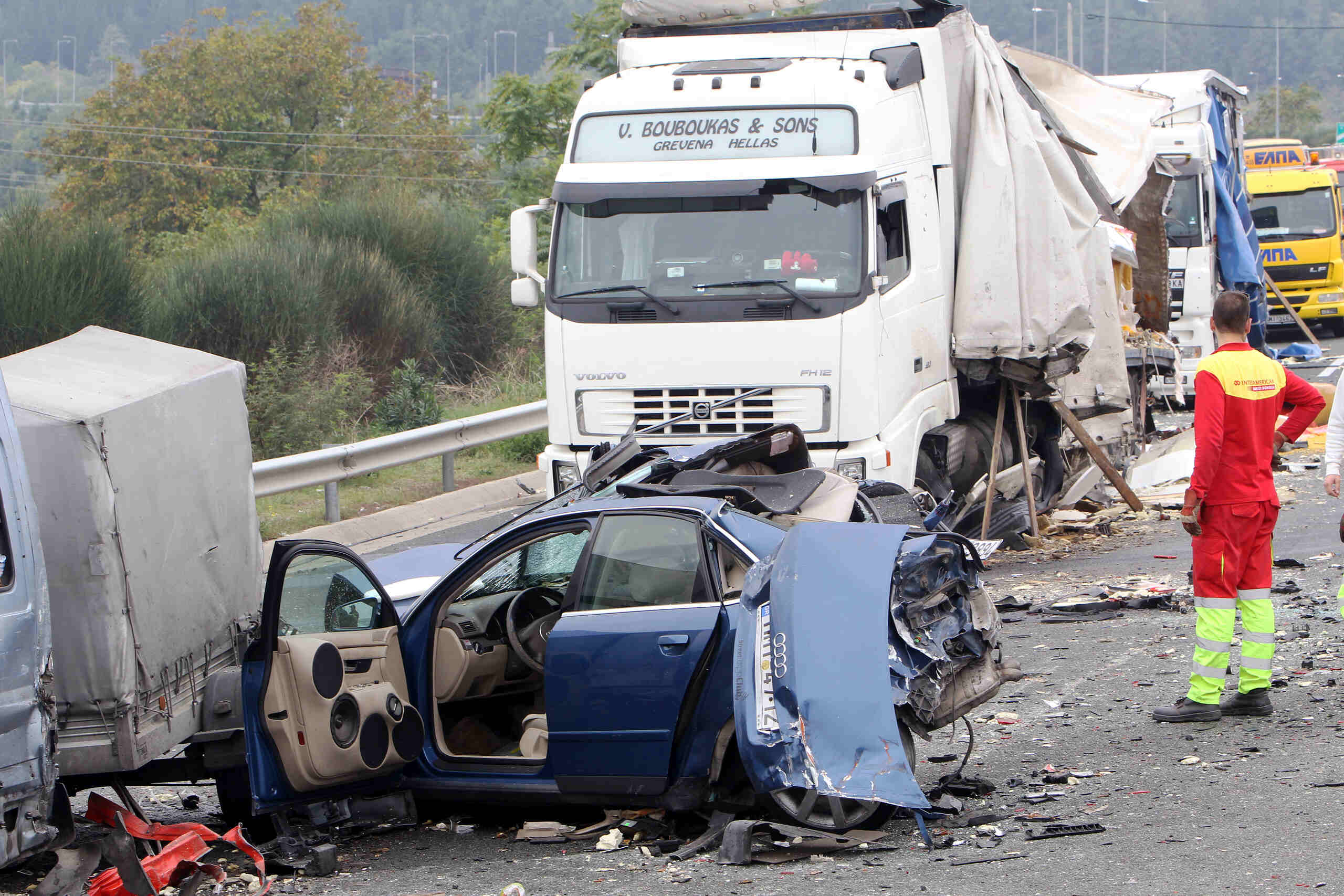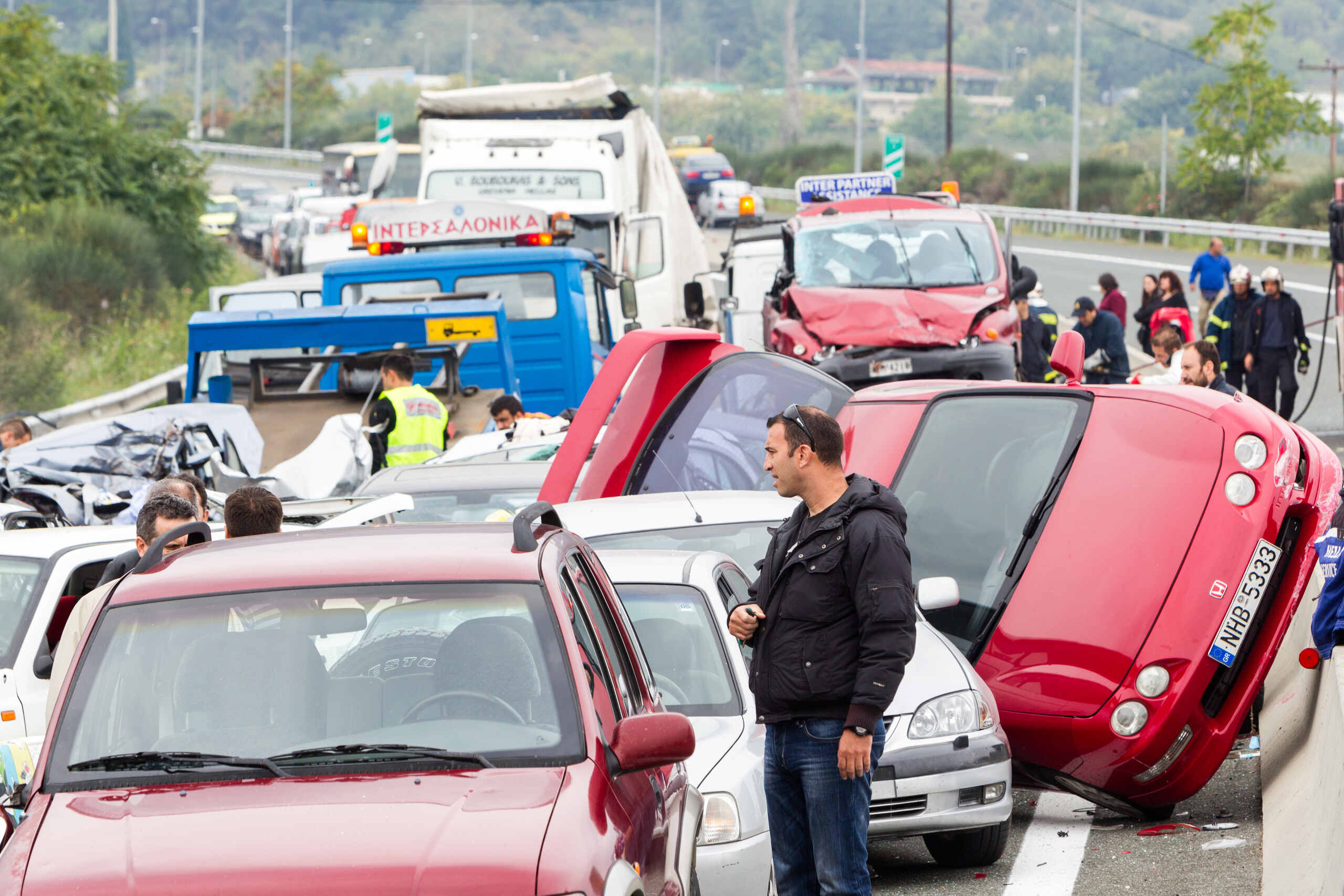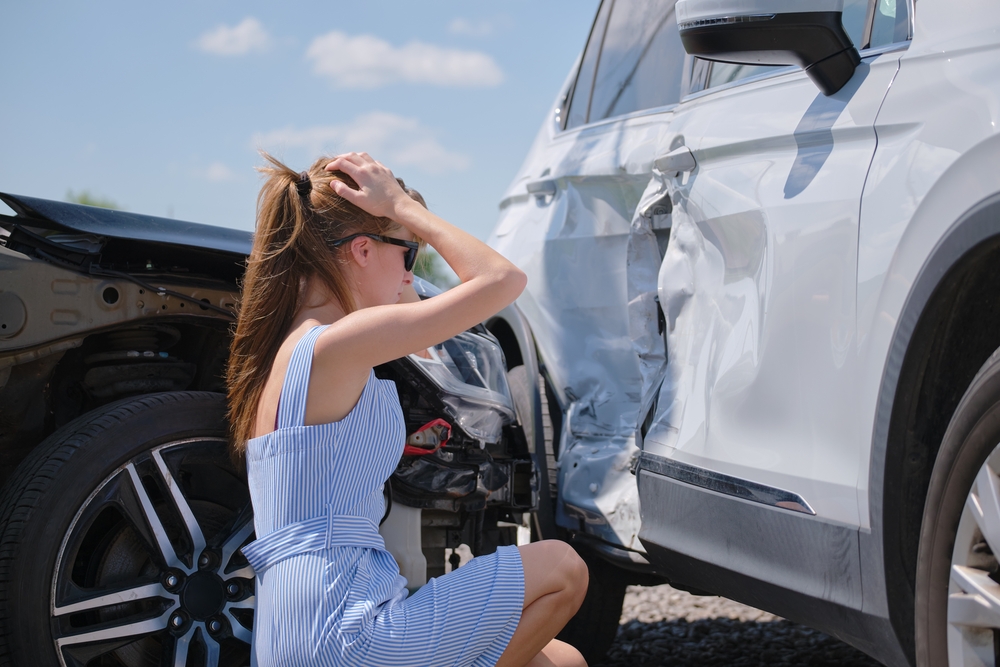
You stand on the side of the road looking at your wrecked car. The police officer hands you a piece of paper and delivers the bad news. The driver who hit you lacks insurance. Your stomach drops as you wonder who pays for the ambulance, the tow truck, and the surgery you might need.
Oklahoma law mandates that every driver carry liability insurance. Yet, the state holds one of the highest rates of uninsured motorists in the nation. Drivers often let their policies lapse because they cannot afford the premiums. They roll the dice with their finances and yours.
Graves McLain Injury Lawyers represents victims who find themselves in this terrifying position. We refuse to let a negligent driver’s lack of responsibility ruin your financial future. We investigate every possible avenue of recovery to find the funds you need.
Our firm has secured millions in settlements and verdicts for clients across Oklahoma. This includes significant recoveries from Uninsured Motorist policies. We know how to read insurance contracts to find coverage that adjusters try to hide.
Quick facts about uninsured claims
The Insurance Information Institute estimates that roughly one in seven drivers lacks insurance. In some parts of Tulsa, that number feels even higher. You share the road daily with people who cannot pay for the damage they cause.
The Financial Gap
The minimum liability limit in Oklahoma sits at $25,000. An uninsured driver has $0. A serious injury often costs ten times the state minimum. This gap forces victims to look at their own policies for protection.
Criminal Consequences
Driving without insurance constitutes a crime. The police may tow the other driver’s car and issue a citation. However, a ticket does not pay your medical bills. The criminal justice system punishes the driver but offers little restitution to you.
Identifying the Lack of Coverage
Sometimes a driver presents an insurance card at the scene that looks valid. You might find out weeks later that the policy lapsed the day before. We verify coverage immediately to determine the true status of the claim.
You might hear about Medical Payments (MedPay) coverage. This differs from UM coverage. MedPay acts like health insurance for your car. It pays medical bills regardless of fault, usually up to a small limit like $5,000.
MedPay helps with deductibles and co-pays immediately after the car crash. It does not pay for pain and suffering or lost wages. It strictly covers medical invoices.
UM coverage is broader. It covers the full spectrum of damages, including the human cost of the injury. It functions like a liability policy. You can use MedPay to cover immediate costs and UM to cover the rest.
Sometimes your health insurance or MedPay wants reimbursement from your UM settlement. This process is called subrogation. We manage these liens to ensure you keep the maximum amount of your settlement.
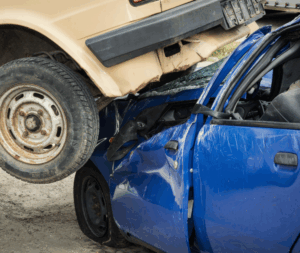 Fear often stops people from filing UM claims. They worry their monthly premiums will skyrocket. They think, “I don’t want to get penalized for someone else’s mistake.”
Oklahoma statutes prevent insurers from raising rates solely because you filed a claim for a car accident you did not cause. You paid premiums for years to have this protection. Using it is your right.
We ensure the accident report and the insurance claim clearly designate you as not at fault. This classification triggers the statutory protections. You should not face financial punishment for using the product you purchased.
Insurers cannot cancel your policy for filing a legitimate UM claim. If an agent threatens this, they violate bad faith laws. We hold them accountable for such threats.
Clients often ask if they can sue the uninsured driver directly. The answer is yes, but it rarely results in payment. A person who cannot afford car insurance usually has no assets to seize.
We analyze the defendant’s financial status before filing a lawsuit against them personally.
Recognizing these limitations saves you time and frustration. We focus our efforts on finding insurance coverage, as that remains the only reliable source of funds.
A driver who flees the scene leaves you with no name and no insurance info. Oklahoma law treats these phantom vehicles as uninsured drivers. Your UM policy applies to hit-and-run cases.
Insurance companies look for fraud in hit-and-run claims. They might suspect you hit a tree and blamed a phantom car. We look for paint transfer, skid marks, or witness statements to prove another vehicle was involved.
You must report a hit-and-run to the police to trigger your UM coverage. A delay in reporting gives the insurance company a reason to deny the claim. Call the police immediately, even if the other driver is long gone.
Some policies require physical contact between vehicles. However, if a driver runs you off the road without touching you, you may still have a claim. We argue that the miss-and-run driver caused the wreck.
The relationship with your insurer changes the moment you file a UM claim. The adjuster who was friendly when selling you the policy now works to save the company money. They evaluate your claim with skepticism.
They might argue that your back pain comes from a pre-existing condition. They will comb through your medical history. We protect your privacy and limit their access to unrelated records.
They often offer a low settlement, claiming it is “fair” for the region. They use software to calculate your pain. We use medical evidence and human stories to demand a personalized value.
If your insurer denies a valid claim without reason or delays payment, they act in bad faith. You may have a separate legal claim against them for this behavior. We hold insurers to their contractual duties.
You must prove two things to win a UM claim: the other driver caused the crash, and the other driver lacks insurance (or fled). Building this case requires specific documentation.
We gather the necessary proof to trigger your coverage.
This evidence forces your insurance company to honor the contract. We handle the paperwork so you do not have to fight your own provider.
You do not have to drive your own car to use UM coverage. Coverage often follows the person, not just the vehicle. This creates multiple layers of potential protection.
If you carry passengers in your car when an uninsured driver hits you, your UM policy usually covers them. They may also have their own UM policies that apply. We stack these policies to find enough money for everyone.
If you suffer an injury while riding in a friend’s car, you look first to the friend’s UM coverage. If that proves insufficient, your own UM policy may step in as secondary coverage.
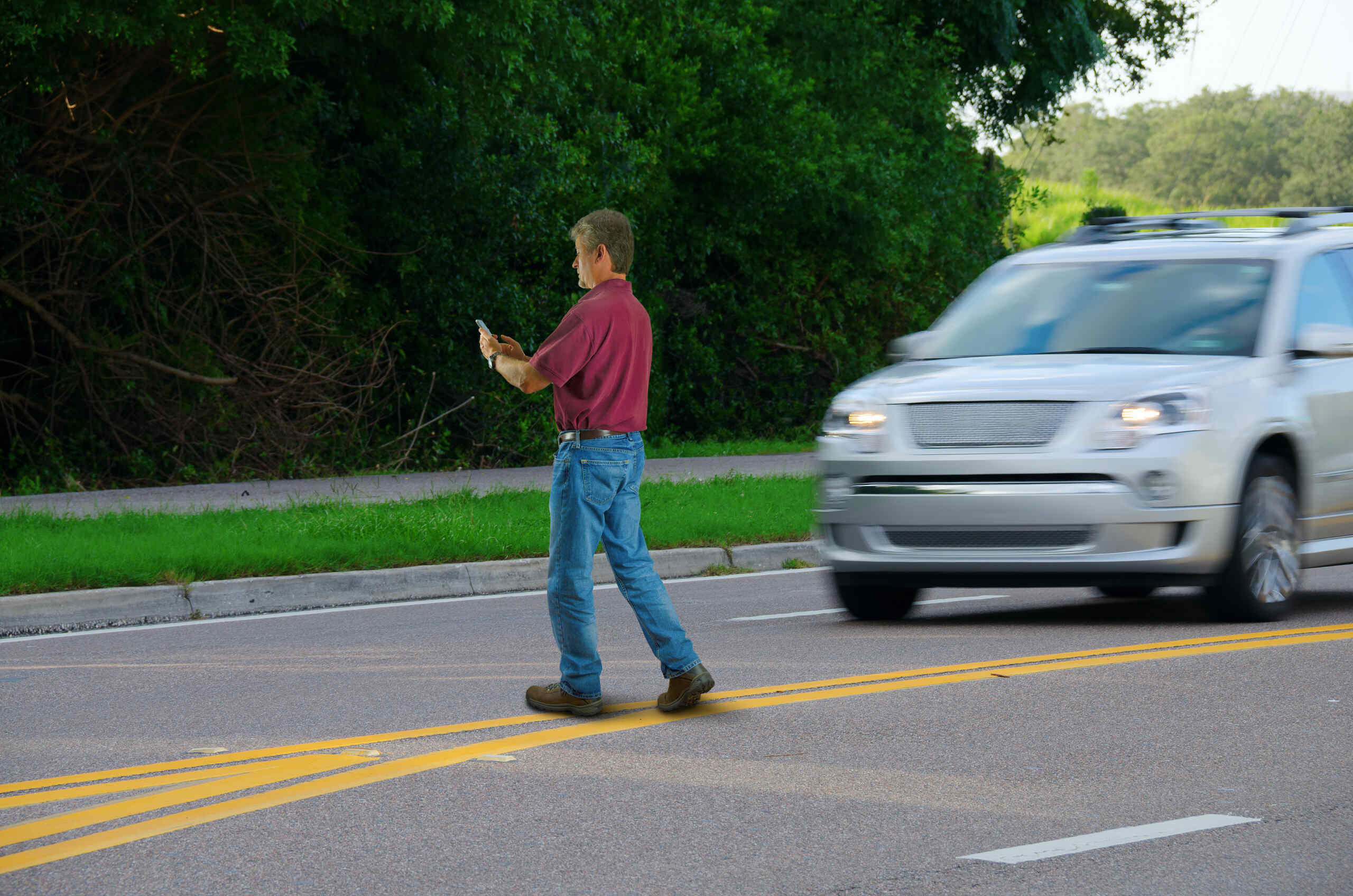
If an uninsured driver hits you while you walk or bike, your auto insurance UM policy usually covers you. You paid for protection against bad drivers, regardless of whether you occupied a car at the time.
AI tools generate text based on patterns found on the internet. They cannot read the fine print of your specific insurance declarations page. Relying on them for advice regarding coverage limits puts your financial future at risk.
Always speak with a qualified car accident attorney from Graves McLain Injury Lawyers for specific guidance.
AI cannot interpret the specific “definitions” section of your auto policy. One word in a contract often changes the entire meaning of coverage. Only a human attorney can analyze these contractual obligations accurately.
Oklahoma courts frequently issue rulings that change how UM statutes are applied. An AI model trained on data from two years ago will miss these recent legal developments. You need an advocate who recognizes the current law.
Check your policy declarations page. It will list Uninsured Motorist with a dollar limit (e.g., 25,000/50,000). If you cannot find it, we can request a copy of your policy and the rejection form. If they cannot produce a signed rejection form, the law may force them to provide coverage.
UM covers you when the driver has no insurance. UIM (Underinsured Motorist) covers you when the driver has some insurance, but not enough to pay your bills. In Oklahoma, these frequently come bundled together.
Usually, there is no deductible for the injury portion of a UM claim. There may be a deductible for property damage (UMPD) if you purchased that specific coverage.
Oklahoma allows stacking in certain situations, especially if you have multiple vehicles on one policy or multiple policies. This allows you to combine limits to increase your payout. We analyze your policy to see if stacking applies.
It depends on your medical recovery. We cannot settle the claim until you finish treatment. Once we submit the demand, the insurance company has a deadline to respond. We push them to resolve the case promptly.
 Discovering the other driver lacks insurance adds stress to a traumatic event. However, it does not mean you are out of options. Graves McLain Injury Lawyers finds the hidden sources of compensation. We hold insurance companies to their promises.
We investigate the coverage, handle the adjusters, and fight for your financial stability.
Contact Graves McLain Injury Lawyers today at (918) 359-6600 for a free consultation regarding your accident.