Attorney at Graves McLain Injury Lawyers
Practice Areas: Car Accidents, Medical Malpractice, Vaccine Injuries
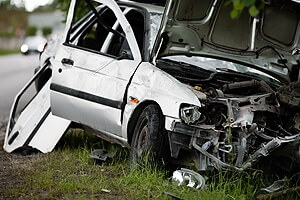
Motor vehicle accidents continue to be a significant public safety issue in the United States. In 2016, more than 40,000 people died in motor vehicle crashes, marking the first time that traffic fatalities reached such a high point in nearly a decade. This alarming trend requires urgent action from both individuals and lawmakers to reduce the number of deaths and injuries on our roads. The causes of these accidents are preventable, and with the proper precautions, we can lower these numbers and save lives.
More than 40,000 lives were lost on U.S. roads in 2016—each one a preventable tragedy that calls for immediate action.
The National Safety Council (NSC) reported that in 2016, over 40,200 people lost their lives in motor vehicle accidents, a significant increase from previous years. This rise in fatalities is not an isolated incident. It marks a 6% increase in traffic fatalities from 2015, which itself saw the first significant increase in traffic deaths in 50 years, with a rise of 7.2%. The total financial cost of traffic deaths, injuries, and property damage in 2016 was a staggering $432.5 billion.
In just one year, the U.S. saw a 6% rise in traffic deaths—highlighting a crisis we can’t afford to ignore.
|
Category |
Statistics/Costs |
| Total Deaths | 40,200 |
| Fatality Increase | 6% increase from 2015 |
| Total Costs (in billions) | $432.5 billion |
| Increase in Deaths (since 2015) | 7.2% increase from 2015 |
These statistics highlight a critical issue: the rising number of preventable traffic deaths and the financial burden caused by these accidents. Addressing this problem requires both personal responsibility and systemic changes in traffic laws and regulations.
Understanding the causes of motor vehicle accidents is essential in preventing them. Some of the most common causes include:
While the statistics are troubling, many of these accidents are preventable. By following basic safety guidelines and taking responsibility on the road, we can reduce the chances of an accident and prevent fatalities.
One of the simplest and most effective ways to stay safe in a car is always to wear your seatbelt. In many cases, seatbelt use can mean the difference between life and death. It is also essential to make sure that all passengers in the vehicle, including children, are wearing their seatbelts and are correctly seated.
Distracted driving is one of the most significant contributors to accidents today. Texting or talking on the phone while driving diverts attention away from the road, and even a brief moment of inattention can result in a crash. To stay safe, put your phone away before starting your car, and avoid engaging in other distractions like eating or adjusting the radio while driving.
Accidents are more likely to occur at night, partly because visibility is reduced. Limit your driving during nighttime hours, especially if you’re unfamiliar with the route. If you must drive at night, keep a safe distance from other cars and keep your headlights on.
Weather plays a critical role in road safety. Rain, snow, fog, and ice can create hazardous driving conditions. When the weather is poor, reduce your speed and keep a larger following distance to avoid accidents. Be especially cautious on bridges and overpasses, so they ice faster than other types of roads.
Cell phones have become one of the leading causes of motor vehicle fatalities. A simple text or call can cause a serious distraction, leading to accidents. If you need to make a call or send a message, pull over safely and stop before using your phone. Keeping your phone out of reach is another effective way to avoid temptation.
In Oklahoma, motor vehicle accident cases are governed by state laws, including the comparative negligence rule. This rule plays a crucial role in determining who is at fault and how compensation is awarded. Under comparative negligence, if you are partially at fault for an accident, your compensation may be reduced by the percentage of your fault.
For example, if you were speeding at the time of an accident and are found to be 20% at fault, your compensation would be reduced by 20%. This underscores the importance of adhering to traffic laws and driving safely.
Oklahoma follows a comparative negligence rule, meaning your compensation may decrease if you are found partially responsible for the accident. — Oklahoma Law, Comparative Negligence Rule.
The leading causes include distracted driving, speeding, DUI, and fatigue. All of these factors impair a driver’s ability to safely operate their vehicle, increasing the risk of an accident.
First, ensure that everyone is safe and call emergency services. Then, exchange information with the other drivers and gather evidence, such as photos of the scene. Contact a lawyer to help you navigate the legal process.
Oklahoma’s comparative negligence rule means that if you are found partially at fault for an accident, your compensation will be reduced by your percentage of fault. For instance, if you are 20% at fault, your compensation will be reduced by 20%.
Document the scene, get medical attention, and Consult a personal injury lawyer about your options. You may be entitled to compensation for medical bills, pain, and suffering.
The rising number of motor vehicle accidents is a wake-up call for us all. By following safety guidelines, staying focused on the road, and driving responsibly, we can significantly reduce the number of traffic deaths.
Let’s say you or a loved one has been in a Tulsa vehicle accident. In that case, Graves McLain Injury Lawyers is available to assist you in learning about your rights and pursuing the restitution you are due. Our experienced attorneys specialize in personal injury law and are dedicated to seeking justice for you.