Attorney at Graves McLain Injury Lawyers
Practice Areas: Car Accidents, Medical Malpractice, Vaccine Injuries

According to a 2023 report by the Insurance Institute for Highway Safety, dashcam footage resolved over 1 in 5 contested car accident insurance claims nationwide. That number is likely steadily growing. This is especially true in cities like Tulsa, where traffic congestion and intersection-related crashes are common.
Dashcams are becoming more than just gadgets for car enthusiasts. Many dashcams in Oklahoma now serve as silent witnesses—capturing real-time footage that could help prove what happened in a crash. But can dashcam video help your case if you’ve been injured in a car accident in Tulsa?
This article explains how dashcam footage is used in car accident claims, whether it’s admissible in Oklahoma courts, what challenges might arise, and how to ensure that the footage works in your favor.
A dashcam is a small device mounted on your windshield or dashboard that records real-time footage while you drive. Many also capture GPS data and timestamps. These can be helpful in reconstructing an accident.
Accidents are frequent in Tulsa, particularly on busy highways such as US-75, I-44, and the Broken Arrow Expressway. When accidents occur, dashcam footage can provide clear evidence of what happened and who was at fault. This is why attorneys, insurance adjusters, and investigators increasingly rely on dashcam video to resolve personal injury claims in Oklahoma.
Yes. Dashcam footage is admissible in Oklahoma courts if it meets basic legal standards.
To be admissible:
If your video clearly shows the incident, hasn’t been altered, and is presented in its original form, it can support your claim in court. Ownership matters, too. Drivers generally control access to footage. Thus, it’s essential to preserve it right away.
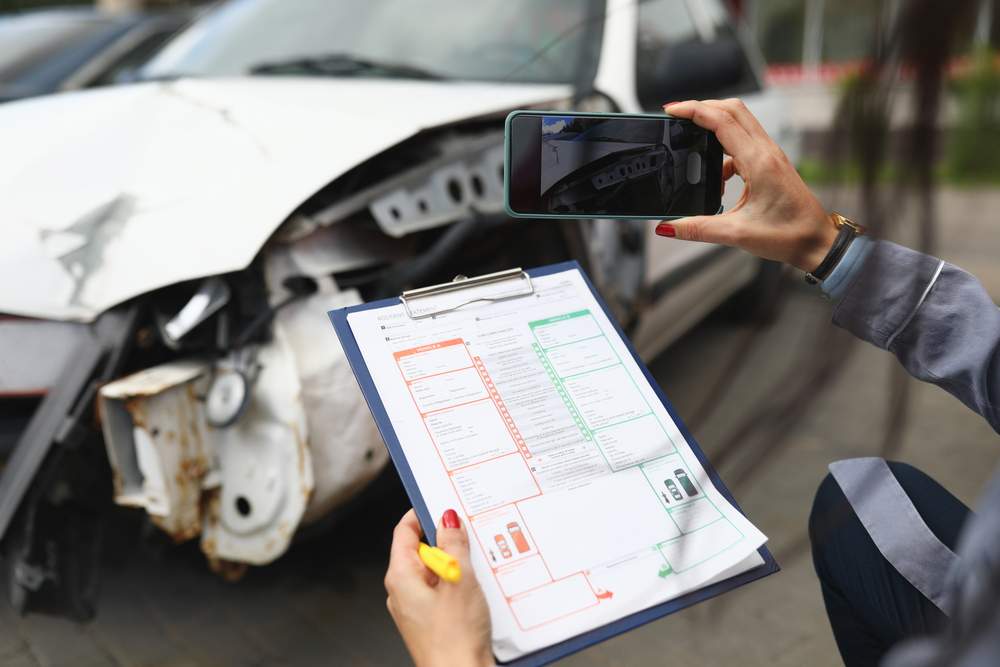
Proving fault is one of the main challenges in personal injury claims. In many car accidents, both parties may claim that they were not at fault. Dashcam footage provides an objective account of the moments leading up to and during the crash.
Here’s how dashcam footage can be helpful:
Preserving the original file and metadata of your dashcam footage is key to ensuring its admissibility in court. — National Highway Traffic Safety Administration.
Attorneys often use footage during negotiations or at trial to support a client’s claim for compensation. Having clear, timestamped video can be the deciding factor in a disputed accident case.
To better understand the role dashcams can play, let’s look at a few common accident types and how footage can help support your claim.
|
Scenario |
How Dashcam Helps |
| Rear-end collisions | Confirms braking time and vehicle spacing |
| Hit-and-run crashes | Captures the fleeing vehicle’s license plate |
| Intersection accidents | Shows traffic signal behavior and right of way |
| Disputed fault between drivers | Offers an unbiased view of what happened |
| Poor visibility conditions | Documents road and weather conditions |
| Pedestrian or cyclist involvement | Helps determine positioning and movement at impact |
Dashcam footage can help. However, it may also reveal things that harm your case, such as speeding or distracted driving. Under Oklahoma’s modified comparative negligence rule, your compensation can be reduced.
Oklahoma follows a modified comparative negligence rule, meaning your compensation can be reduced if you’re found partially at fault. — -23 OK Stat § 23-13
Issues like poor quality, missing footage, or privacy concerns can also arise. Always let your attorney review the video before using it.
Yes. Most major insurers will consider dashcam footage when reviewing a claim. They may be especially likely to do so when the fault is unclear.
In fact, a 2023 Insurance Institute for Highway Safety (IIHS) report found that dashcam footage was used in over 20% of disputed claims nationwide.
A clear video can lead to faster settlements. That said, insurers may still require additional evidence, such as police reports or medical records. Based on the footage, they may also seek ways to mitigate their liability. This is another reason to consult an attorney before sharing the video.

Dashcam video is considered valuable evidence. However, it’s only truly valuable if it’s preserved and managed correctly. Missteps—like deleting, editing, or sharing the footage improperly can weaken or even disqualify it from being used in court or insurance negotiations.
Here’s what you should do to ensure the dashcam footage supports your case:
Yes. Dashcam footage can be used in court if it is relevant, unedited, and can be proven authentic. It must meet Oklahoma’s evidentiary standards.
Absolutely. It can show road conditions, traffic behavior, and the actions of both drivers. This helps clarify who was responsible for the accident.
Yes, most insurers will review dashcam footage when fault is unclear. Dashcam footage can support your version of events, but it’s usually considered alongside other evidence.
Yes. If the footage shows you were distracted, speeding, or breaking a law, it could be used to reduce your compensation under Oklahoma’s negligence rules.
Could you save the file in its original format? Do not alter it in any way. Make backup copies and notify your attorney as soon as possible.
Dashcam footage is one of the most effective tools for proving fault in car accident cases. In a city like Tulsa, where heavy traffic and intersection crashes are common, it can make a real difference in your claim.
Still, to use dashcam footage effectively, you need to preserve it correctly and work with a skilled legal team that understands how to present it.
If you’ve been injured in a car accident and have dashcam footage, don’t wait. Contact Graves McLain Injury Lawyers today for a free consultation. Our team can help you evaluate your case, understand your rights, and use every available tool to seek the compensation you deserve.