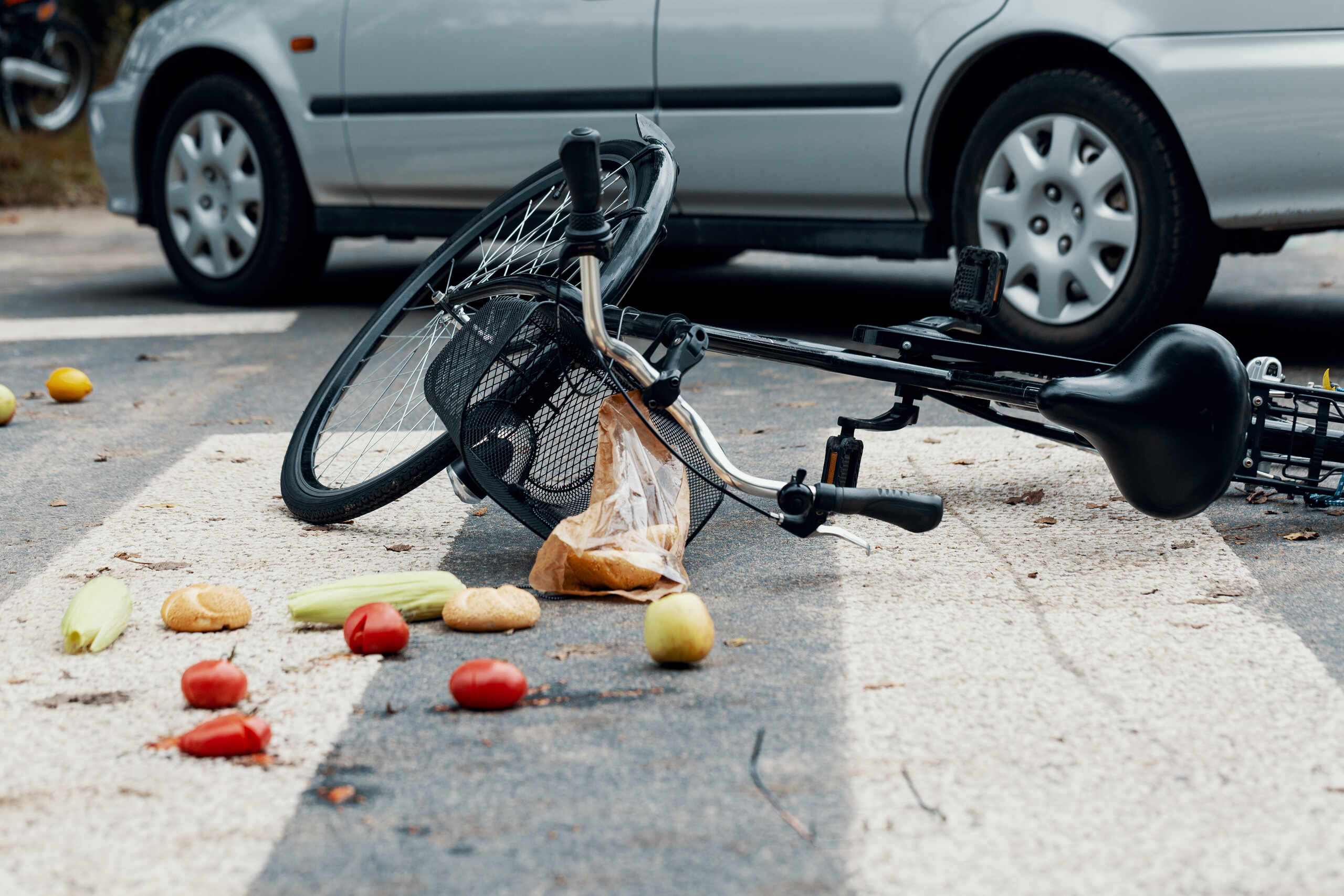
The first thing many cyclists hear after a crash is a version of “you shouldn’t have been in the road.” However, on most Tulsa streets, there is no bike lane at all. Oklahoma law expects riders to use the roadway, so the real question in a bicycle accident with no bike lane is where the rider was positioned and whether the driver complied with the law when approaching.
The answer depends on specific rules about lane position, passing distance, and local ordinances, and those rules often favor the rider more than insurers admit. If you were hit while riding in Tulsa, a bicycle accident attorney can review your case for free and explain how fault is likely to be assigned.
Riding on an Oklahoma road without a bike lane is legal and is not negligence by itself. A cyclist moving slower than traffic must ride as close as is safe to the right edge, but the law allows moving left to pass, turn left, avoid hazards, or whenever staying right is unsafe.
Oklahoma’s motor vehicle code requires a cyclist traveling slower than surrounding traffic to ride as close as is safe to the right-hand curb or edge of the roadway. The rule is about safety, not hugging the curb, and it comes with exceptions written directly into the statute.
The right-edge rule applies only when a cyclist is moving slower than the normal speed of traffic at that time and place. A rider keeping pace with slow-moving traffic on a congested street is not required to move to the edge, because the rule is tied to speed.
“As close as is safe” also means a rider does not have to ride in the gutter, through debris, or inside the swing of a parked car’s door. The safe position depends on the actual road conditions at that moment.
The statute lists specific situations in which a cyclist may leave the right edge. The table below pairs each exception with the type of Tulsa street condition in which it commonly arises.
| Exception under Oklahoma law | What it allows | Common Tulsa example |
|---|---|---|
| Overtaking and passing | Moving left to pass another vehicle going the same direction | Passing a slower rider or a stopped delivery van on a neighborhood street |
| Preparing for a left turn | Moving toward the left side of the lane or road before turning | Setting up a left turn at a Midtown intersection |
| Avoiding hazards | Moving left to avoid objects, parked or moving vehicles, pedestrians, animals, or surface hazards | Steering around potholes, gravel, storm debris, or a row of parked cars |
| Unsafe to stay right | Moving away from the edge any time staying right is unsafe | Riding a narrow lane where a car cannot safely pass within the same lane |
| Right-turn-only lane | Riding in a right-turn-only lane without hugging its edge | Approaching a dedicated right-turn lane on an arterial road |
When one of these exceptions applies, a rider in the middle of the lane is following the law, not breaking it. That matters enormously when an insurer later claims the cyclist “was in the way.”
Oklahoma allows cyclists to ride no more than two abreast, provided they do not impede the normal flow of traffic and remain within a single lane on a laned road. On a one-way street with two or more marked lanes, a cyclist may ride as close as is safe to the left-hand curb instead of the right.
Tulsa’s traffic code, Title 37 of the Tulsa Revised Ordinances, contains its own bicycle chapter that generally tracks state law. The City’s Walk Bike Tulsa guidelines summarize the key local rules for riders and drivers.
The local provisions most relevant to lane position include:
These local rules apply within Tulsa city limits in addition to state law, so a single crash can involve both.
Tulsa’s ordinances direct cyclists to ride with traffic and near the right side, while allowing a rider to take the entire lane when obstructions or safety issues are present. That local rule aligns with the state exceptions and gives riders on narrow city streets a clear footing.
Tulsa does not require cyclists to use a bike lane where one exists, and its guidelines confirm a rider may leave a bike lane after signaling and merging safely. Some other Oklahoma cities handle bike lanes differently, so the crash location matters.
Tulsa’s ordinances also require drivers to leave at least three feet when passing a cyclist. A driver who violates the passing rule within city limits may face both a local citation and civil liability for the crash.
Fault in an Oklahoma bike crash turns on whether each person followed the rules that applied at that moment, and the driver’s duties usually carry the most weight. A driver approaching from behind must see the rider, slow if needed, and pass only when the law’s spacing rules can be met.
On a road with one lane in each direction, Oklahoma requires a driver to leave at least three feet when passing a cyclist and not move back right until safely clear. On a road with more than one lane in the same direction, the driver must move into the next lane to pass when that lane is available, and it is reasonably safe to do so.
A driver who squeezes past in the same lane on a multi-lane road may be breaking the law, even if the vehicles are technically three feet apart. Our attorneys can explain more of Oklahoma’s rules of the road for cyclists during a free case consultation.
Oklahoma’s modified comparative negligence rule allows an injured cyclist to recover damages as long as the rider’s share of fault is not greater than the driver’s. However, their award will be reduced by the rider’s percentage. Lane position arguments are often an attempt to push that percentage up.
Adjusters often frame a cyclist’s position in the lane as the cause of the crash, even when the driver approached from behind with a clear view. The usual arguments are that the rider should have been closer to the curb, used a nearby side street, or pulled over to let traffic pass.
None of those arguments changes a driver’s duty to pass safely or wait. When the road conditions show why the rider was where they were, these claims tend to lose force quickly.
Oklahoma requires a front white lamp and a rear red lamp on bicycles ridden at night on roads with speed limits above 25 miles per hour, as well as a rear red reflector and side reflective material. Insurers sometimes raise lighting even when it had nothing to do with the crash, so the timing and lighting conditions should be documented early.
In no-bike-lane cases, the most persuasive evidence is often a record of what the road looked like and why the rider was positioned where they were. Cyclists and their families may find it helpful to gather:
Those details help show that a rider’s lane position fit an exception or was the safe choice. They also connect the crash to the injuries these collisions cause, which is the other half of any legal claim.
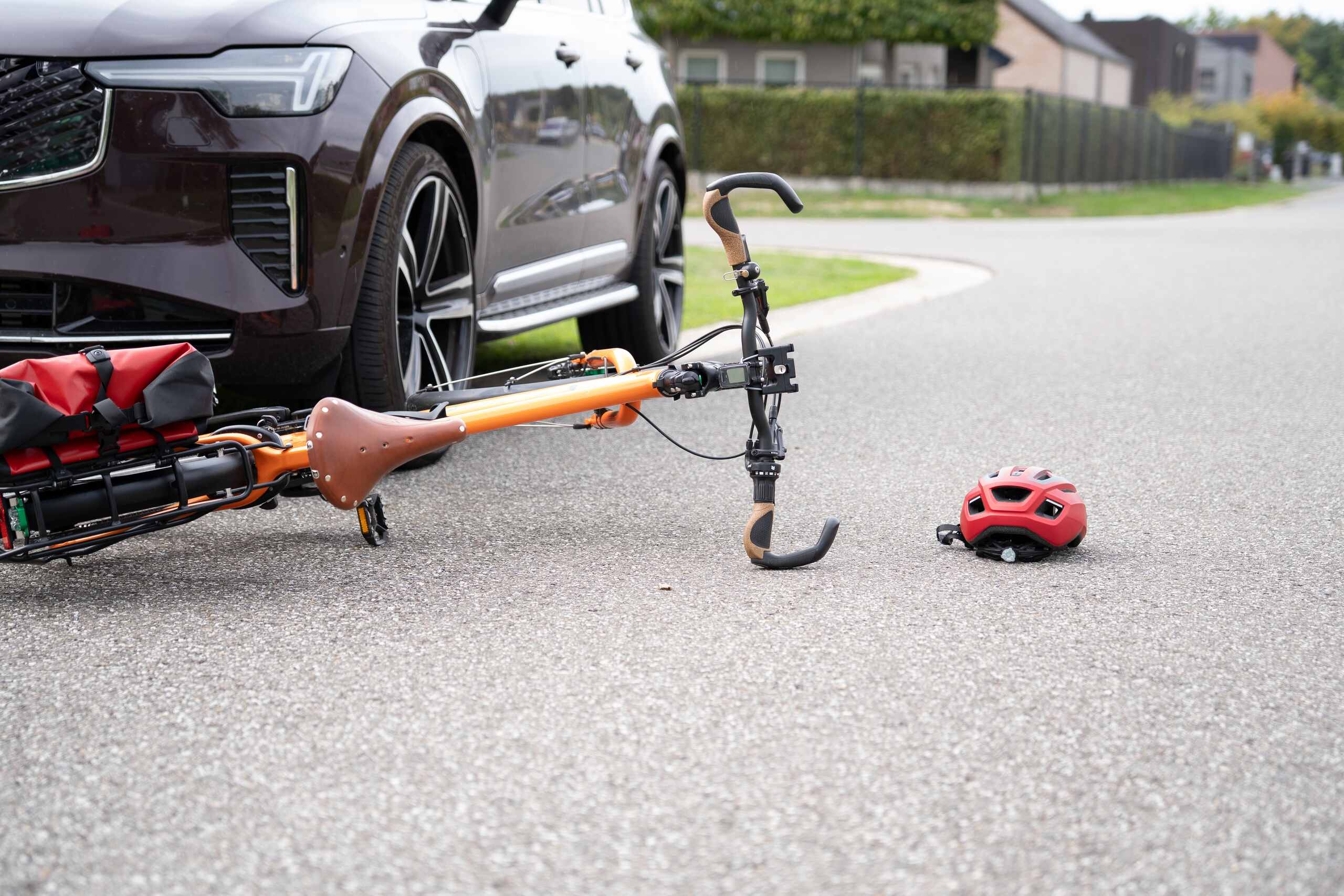
Tulsa allows sidewalk riding in many areas, but the City prohibits bicycles on sidewalks in downtown Tulsa inside the Inner Dispersal Loop, on Cherry Street between Peoria and Utica, and on Brookside between 33rd and 36th. Riders on a sidewalk must yield to pedestrians.
Oklahoma law allows a driver to cross the center line to pass a cyclist, even in a marked no-passing zone, only when the road to the left is clear for a sufficient distance to pass safely without interfering with oncoming traffic. A driver who passes into oncoming traffic or cuts back in too soon can be found at fault.
Riding against traffic violates Oklahoma and Tulsa rules requiring cyclists to travel in the same direction as vehicles, and an insurer will likely argue that it contributed to the crash. A rider can still recover in Oklahoma as long as their share of fault is not greater than the driver’s.
A cyclist preparing for a left turn in Oklahoma may leave the right edge and move toward the left, so being positioned in the lane before turning is not a violation in itself. Fault usually turns on signaling, timing, and whether drivers behind had time to see and react.
Most bicycle accident injury claims in Oklahoma must be filed within two years of the crash. Claims involving a government vehicle generally require written notice much sooner, so it is wise to get advice early.
Cyclists who ride on Tulsa streets without bike lanes are usually doing what Oklahoma law allows. When a driver fails to give them the room the law requires, the responsibility belongs with the driver.
At Graves McLain Injury Lawyers, we offer free consultations to cyclists hurt anywhere in Tulsa, and you pay nothing unless we recover for you. To speak with a Tulsa bicycle accident attorney, reach out online or call 918-359-6600 today.