Attorney at Graves McLain Injury Lawyers
Practice Areas: Wrongful Death, Medical Malpractice, Bad Faith Insurance, Car Accidents, T-Bone Tractor-Trailer Accidents, Dangerous Drugs
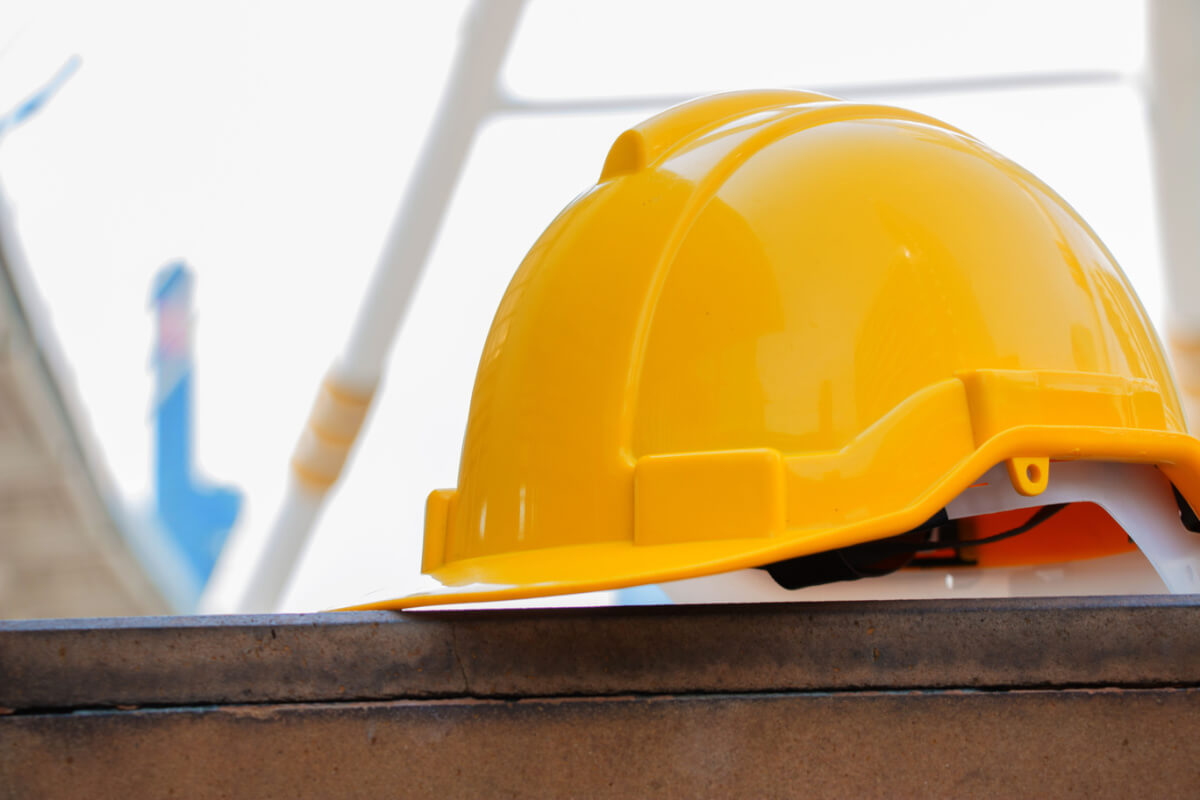
Construction sites in Tulsa involve multiple companies and workers completing tasks that depend on one another. When a serious injury happens because of someone else’s mistake, that person or business should be held accountable. Third party liability in construction accidents allows injured workers and their families to seek financial recovery from negligent companies that aren’t their employers.
For families who’ve lost a loved one, these claims also help uncover how safety failures occurred and who caused them. If you or someone close to you was hurt while working on a construction project, having experienced legal representation helps ensure the responsible parties are held accountable.
Contact a construction accident lawyer near you to learn about your options through a free consultation.
Key Takeaways: Construction Accident Injury Claims in OK
- Construction workers injured on the job may have legal options beyond workers’ compensation through third-party liability claims
- Property owners, general contractors, subcontractors, and equipment manufacturers can all potentially be held liable for construction site injuries
- Oklahoma law allows injured workers to pursue both workers’ compensation benefits and third-party personal injury claims simultaneously
- Proving third-party negligence requires establishing duty of care, breach, causation, and damages under Oklahoma premises liability and negligence statutes
- Third-party claims can provide compensation for pain and suffering, lost wages, and other damages not covered by workers’ compensation
When a construction worker gets hurt, the first source of benefits often comes from workers’ compensation. However, Oklahoma law also allows injured workers to hold another person or company responsible if that party caused the accident. This is called third-party liability.
Workers’ compensation provides medical care and partial wage replacement, but it doesn’t pay for the full range of losses. A third-party claim allows recovery for damages that go beyond these benefits. The main differences include:
A third party is anyone other than your direct employer or a coworker employed by the same company. Common examples include:
A successful third-party claim may provide compensation for:
 Multiple parties often share responsibility for construction accidents. Determining who caused or contributed to an injury requires careful investigation and evidence collection.
Property owners must maintain a safe environment for workers and visitors. If unsafe conditions on the property cause injury, the owner may be liable. For example, failing to secure a trench, mark an open hole, or address known hazards could expose the owner to legal responsibility.
General contractors coordinate and supervise construction projects. They control the overall safety program and have a duty to enforce proper procedures. When a general contractor ignores OSHA rules or hires unqualified subcontractors, injuries can occur. Their oversight duties make them a common defendant in third-party claims.
Each subcontractor must ensure their area of work meets safety standards. Electrical, plumbing, or roofing subcontractors who leave hazards unattended may be responsible for harm to others working nearby. A subcontractor’s negligence can easily affect multiple workers on the same site.
Faulty tools, cranes, or scaffolding cause some of the most serious construction injuries. When design or manufacturing flaws make equipment unsafe, the manufacturer or supplier may face liability under product liability law. Evidence such as maintenance logs or prior recalls often plays a key role in these cases.
Architects and engineers help design safe structures. If errors in blueprints, calculations, or material specifications lead to collapses or unsafe conditions, they may share fault. These professionals must meet accepted industry standards when producing plans and overseeing construction phases.
Many third-party construction accidents happen because someone failed to follow safety rules or use reasonable care. Identifying the cause helps determine who bears responsibility.
When machinery fails, serious harm can occur in seconds. Equipment defects often involve design errors, manufacturing mistakes, or inadequate warnings. For example, a lift that lacks proper safety locks or a saw missing its guard may create unnecessary danger.
Construction zones contain multiple hazards like uneven terrain, unstable scaffolding, and unmarked drop-offs. Property owners and site supervisors must inspect and fix unsafe areas. A lack of warning signs or poor lighting can easily cause falls or collisions.
Every worker deserves proper instruction before operating heavy machinery or working at heights. Contractors who skip safety training or neglect supervision may create preventable risks. Training records often help prove negligence in these cases.
The Occupational Safety and Health Administration sets national safety standards. Violations such as improper scaffolding, missing harnesses, or ignored inspection reports show a disregard for worker safety. OSHA reports can become key evidence when proving negligence.
Sometimes, contractors hire unqualified workers or companies to save money. When untrained or reckless subcontractors cause harm, the general contractor may bear responsibility for poor hiring decisions.
Oklahoma’s worker’s compensation laws hold parties responsible when they fail to exercise reasonable care in keeping a worksite safe. Several state and federal standards apply.
Under premises liability law, property owners and occupiers must maintain safe conditions for those lawfully on their land. Injured workers may bring claims when unsafe property conditions contribute to their injuries. Liability depends on whether the owner knew or should have known about the hazard and failed to correct it.
The Oklahoma Construction Industries Board regulates contractor licensing, safety compliance, and standards for building practices. Contractors who violate these rules may face both administrative penalties and civil liability if their negligence causes harm.
Oklahoma enforces federal OSHA regulations. Contractors must provide proper safety equipment, training, and supervision. Repeated OSHA violations can strengthen a claim by showing a pattern of unsafe conduct.
Oklahoma uses a modified comparative negligence system. If you’re partly at fault for your injuries, your recovery may be reduced by your percentage of responsibility. However, you can still pursue compensation as long as you’re less than 50 percent at fault.
Building a strong case requires detailed evidence linking the third party’s actions to your injury.
Photos, videos, and inspection reports capture hazards that may disappear quickly after an accident. Preserving this evidence right away helps show what conditions existed when the injury occurred.
Coworkers, safety inspectors, or bystanders often provide valuable perspectives about how the incident unfolded. Their statements can verify unsafe actions or missing safety procedures.
Prior safety violations, maintenance logs, and inspection records can establish a pattern of negligence. OSHA reports often reveal whether a company ignored safety orders or warnings.
Detailed medical documentation connects your injuries to the accident. Medical professionals may explain how the incident caused specific harm or long-term limitations.
Contracts between contractors and subcontractors outline safety responsibilities. Insurance policies may reveal which parties bear financial liability. Reviewing these documents helps determine who should pay for losses.
In Oklahoma, most personal injury and third-party construction accident claims must be filed within two years from the date of the injury. Failing to file within this timeframe can lead to dismissal of the case.
Sometimes, an injury or its cause isn’t immediately apparent. The discovery rule allows the filing period to begin once the injured person discovers, or reasonably should have discovered, the harm and its connection to the defendant’s conduct.
For most construction injuries, the clock starts on the date of the accident. However, medical complications or exposure-related illnesses may trigger later discovery dates. Consulting with an attorney soon after the incident ensures deadlines are met.
Yes. Oklahoma law allows you to receive workers’ compensation benefits while also pursuing a third-party personal injury claim. These claims serve different purposes and complement each other.
Workers’ compensation covers medical bills and a portion of lost wages, regardless of fault. A third-party claim seeks additional recovery for pain, suffering, and losses not included in workers’ compensation.
When you obtain compensation from a third-party case, your employer’s insurer may place a lien to recover the benefits already paid. A lawyer can help reduce or negotiate that lien so you keep more of your recovery.
Managing both claims requires careful timing and documentation. The information gathered in one case often strengthens the other. For instance, witness testimony from a workers’ compensation hearing may support the third-party lawsuit.
At Graves McLain Injury Lawyers, we help construction workers and their families uncover the truth about what happened and hold negligent parties responsible. Our team handles each step so you can focus on recovery.
We gather photos, site reports, OSHA findings, and witness statements to build a clear picture of how the accident occurred. This groundwork helps establish liability.
Construction projects often involve multiple companies. We review contracts and relationships between parties to determine who shared control or responsibility for safety.
Insurance adjusters sometimes undervalue claims or shift blame. We present evidence to hold them accountable for fair payment under the law.
We document every aspect of your loss, from medical costs to diminished earning potential. Our goal is to strengthen your claim for the fullest recovery available.
From investigation through settlement or trial, we manage all legal details and deadlines. Our attorneys communicate regularly so you always know where your case stands.
Employers sometimes discourage additional claims to avoid attention from insurers or regulators. However, your right to file a third-party lawsuit belongs to you alone. Retaliation for exercising that right may violate Oklahoma labor laws.
Yes. Oklahoma’s comparative negligence law allows recovery as long as you’re less than 50 percent at fault. Your damages are reduced in proportion to your share of responsibility.
Even without liability coverage, the third party remains personally responsible. In some cases, other companies connected to the project may share financial liability through contracts or additional insured policies.
Most personal injury attorneys work on a contingency fee basis, meaning legal fees come from the recovery obtained through settlement or verdict. If no recovery occurs, you generally don’t owe attorney fees.
Yes. Independent contractors often qualify to bring third-party claims. The key question is whether another party’s negligence caused your injury, not your employment classification.
 Construction accidents can leave workers and families with serious injuries, medical bills, and uncertain futures. Third-party liability laws give injured workers the chance to hold negligent companies accountable and pursue financial recovery beyond workers’ compensation.
The attorneys at Graves McLain Injury Lawyers handle construction accident claims across Oklahoma, investigating every detail and seeking fair outcomes for those affected. The sooner you reach out, the sooner evidence can be preserved and claims prepared. Contact our team today for a free, no-obligation case evaluation.