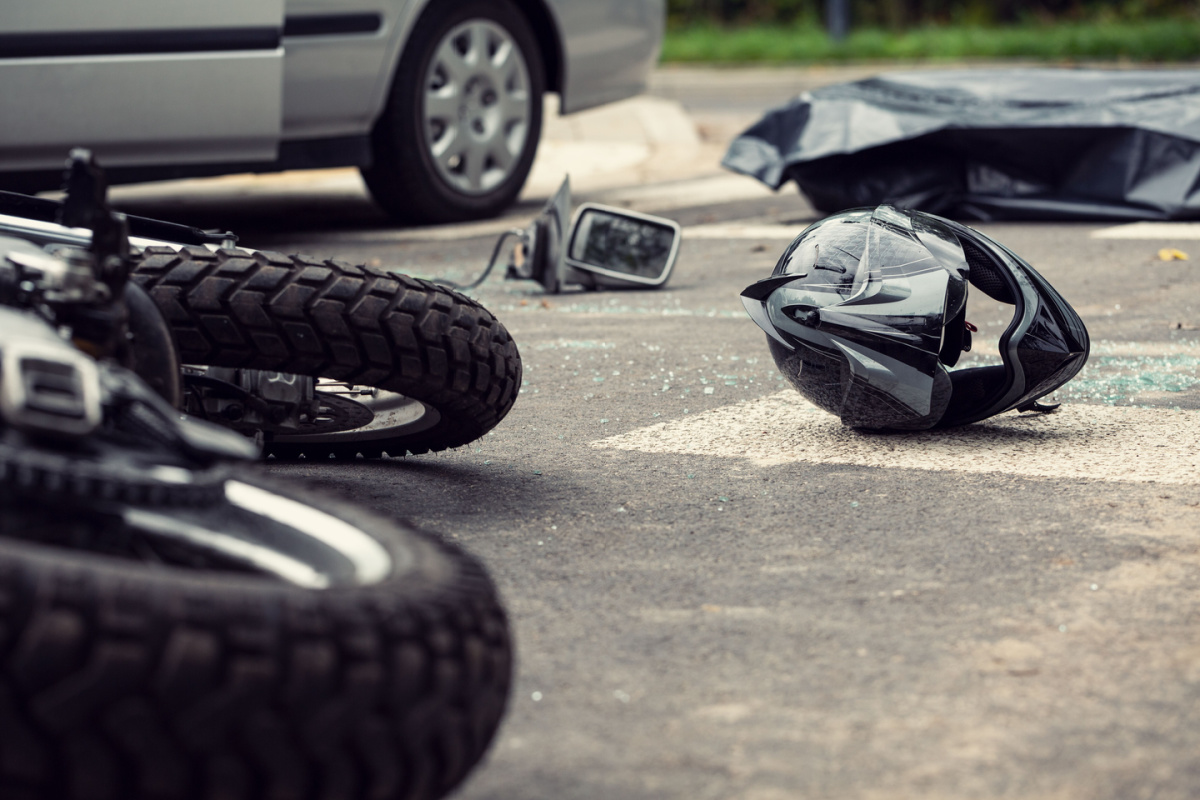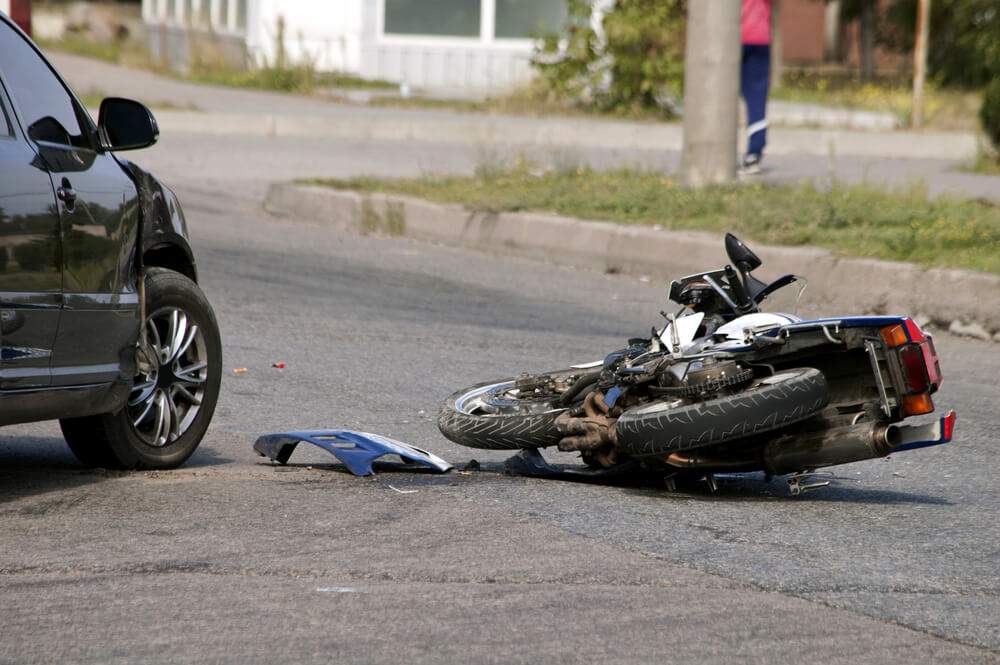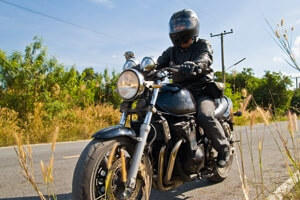
The wind in your face and the rumble of the engine create the experience every rider loves. You exercised your legal right as an adult to ride without a helmet in Oklahoma. Then a negligent driver turned left directly into your path. Now you face mounting medical bills and a difficult legal question.
Many injured riders worry that their decision to ride bareheaded disqualifies them from seeking justice. They fear that the insurance company will automatically deny the claim. Fortunately, Oklahoma law supports your right to recover damages even if you did not wear a helmet at the time of the crash.
Graves McLain Injury Lawyers defends the rights of motorcyclists against bias and unfair insurance tactics. We recognize that your choice of gear did not cause the car to hit you. We work to keep the focus on the negligence of the driver who violated the rules of the road.
Our firm has secured millions in settlements and verdicts for injury victims. We possess the resources to challenge the insurance defense teams who try to shift the blame onto you. We fight to ensure a fair outcome regardless of your safety gear choices.
Key takeaways:
Oklahoma statutes draw a clear line based on age. Title 47 Section 12-609 mandates helmets only for riders under 18 years old. If you are an adult, the law leaves the decision entirely up to you.
You broke no law by riding without a helmet. The defense cannot point to a statute you violated to prove negligence per se. We remind the insurance adjusters that you operated your motorcycle legally.
Negligence requires a breach of duty. Since the law imposes no duty on adults to wear helmets, failing to wear one is not inherently negligent. We stand firm on this legal principle during negotiations.
While helmets are optional for adults, eye protection is not. You must wear goggles or have a windshield. If the defense proves you were blinded by debris because you lacked eye protection, that could hurt your case. We verify your compliance with this specific rule.
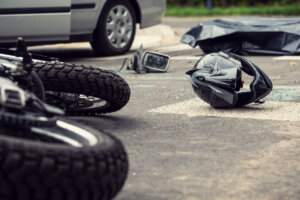 The insurance company cannot claim your lack of a helmet caused the crash. Instead, they use a legal strategy known as “mitigation of damages.” They argue that while their driver caused the wreck, your actions made the injuries worse.
They will say a reasonable person would have worn a helmet. They will present medical studies showing helmets reduce brain injuries. Their goal involves reducing the amount of money they pay for your head and neck trauma.
We counter this by demanding strict proof. We force them to prove that a helmet, specifically, would have prevented your exact injury. Often, the force of the impact was so severe that a helmet would not have changed the outcome.
Motorcycle accident lawyers rely on general statistics. We demand specifics. We question their experts on whether a helmet can truly prevent a concussion at 60 mph. We highlight the limits of safety gear technology.
The helmet defense falls apart completely regarding injuries below the neck. A helmet offers zero protection for your torso, arms, or legs. The insurance company cannot use your headgear choice to deny payment for a shattered femur.
We focus on the following non-head injuries:
We segregate your injuries carefully. We present the costs for your orthopedic surgeries separately from any head trauma. This prevents the defense from tainting the entire claim.
Insurance adjusters receive training on how to devalue motorcycle claims. They know juries often hold biases against bikers. They exploit this prejudice to offer low settlements.
Defense teams rely on specific arguments to shift the financial burden back to the victim.
Recognizing these tactics allows us to prepare effective counter-arguments. We keep the narrative focused on the defendant’s bad driving.
Oklahoma uses a modified comparative negligence system. You recover damages as long as you bear less than 51 percent of the fault. The defense wants to assign you a percentage of fault for not wearing a helmet.
If a jury awards you $100,000 but finds you 20 percent at fault for not wearing a helmet, you receive $80,000. This reduction represents real money lost. We fight to keep this percentage at zero.
If the jury decides your failure to wear a helmet constituted 51 percent of the cause of your injuries, you might recover nothing for those specific injuries. This is a high bar for the defense to clear, but they will try.
Sometimes settling ensures you receive compensation without the risk of a biased jury. We weigh the strength of the helmet defense against the settlement offer. We advise you on the best path forward based on the specific facts.
We need more than just your word to defeat the insurance company. We build a fortress of evidence that supports your right to recovery. Scientific data often neutralizes emotional arguments.
We gather specific items to prove the defendant bears full responsibility.
Our investigation typically targets the following evidence:
This evidence shifts the spotlight back to where it belongs: the negligent driver.
Riders without helmets often suffer traumatic brain injuries that permanently alter their lives. These injuries affect memory, mood, and cognitive function, often requiring long-term treatment. Working with a TBI lawyer can help injured riders pursue compensation for the immense cost of medical care and lifelong support.
A severe TBI may require 24-hour care. We work with life care planners to calculate these costs. Even if the defense argues for a reduction, the total damages are often so high that a significant settlement remains possible.
We use neuropsychological testing to map the extent of the brain damage. This objective data proves the injury is real. It makes it harder for the insurance company to dismiss your symptoms.
TBI affects the whole family. Spouses lose the partner they knew. Children find their parent changed. We seek compensation for this loss of consortium and companionship.
Trying a case without a helmet requires careful jury selection. We must identify jurors who hold deep prejudices against motorcyclists. We ask specific questions during voir dire to uncover these biases.
We ask potential jurors if they believe a rider “gets what they deserve” for not wearing a helmet. If they say yes, we ask the judge to remove them for cause. We need a fair panel that follows the law.
We educate the jury early about Oklahoma’s helmet law. We remind them that their personal opinion on helmets does not matter. Only the statutes matter.
We tell your story. We show the jury that you are a father, a hard worker, and a community member. We break down the stereotype of the outlaw biker.
Handling a helmet-free motorcycle claim alone invites disaster. The insurance adjuster knows the law better than most riders. They will trap you into admitting your injuries were your own fault.
We handle all communication. We prevent you from making statements that the defense can twist. We ensure the adjuster receives only the necessary facts.
You might not know the true value of a TBI case. We do. We ensure you do not settle for a fraction of what you need. We account for inflation and future medical costs.
If the offer is too low, we file a lawsuit. We prepare for trial from day one. This readiness puts pressure on the insurance company to pay fair value.
AI tools generate text based on broad patterns found on the internet. They lack the ability to analyze the specific biomechanics of your crash or interpret Oklahoma’s comparative negligence statutes.
Relying on them for legal advice regarding helmet laws puts your financial future at risk. Speak directly with a member of the Graves McLain team to ensure you receive advice tailored to your life.
An AI cannot evaluate the specific arguments a defense lawyer will use in Tulsa County. It does not know the tendencies of local judges regarding helmet defenses. It cannot strategize how to overcome jury bias against motorcyclists.
Laws and safety standards change. AI models rely on older data. Following outdated advice could hurt your claim. You need an advocate who recognizes the current legal landscape.
No, as long as you are 18 or older. Minors must wear a helmet. Riding without one as an adult is perfectly legal.
The at-fault driver’s insurance should pay your bills. If they refuse, your own Uninsured Motorist coverage may step in. We help you find the funding sources.
They can try, but it is rarely successful if the other driver clearly caused the crash. They usually try to reduce the payout rather than deny it entirely.
It can. The defense will argue you suffered more than necessary. We fight to prove your suffering resulted from the crash, not your gear choice.
Novelty helmets do not meet DOT standards. The defense treats this the same as wearing no helmet. We still fight for your recovery based on the driver’s negligence.
 Your decision to ride without a helmet does not give someone else the right to hurt you. Graves McLain Injury Lawyers defends the rights of riders to fair compensation. We refuse to let insurance companies dictate the value of your life based on a gear choice.
We investigate the crash, handle the adjusters, and fight for your recovery.
Contact Graves McLain Injury Lawyers today at (918) 359-6600 for a free consultation regarding your motorcycle accident.