Attorney at Graves McLain Injury Lawyers
Practice Areas: Car Accidents, Medical Malpractice, Vaccine Injuries
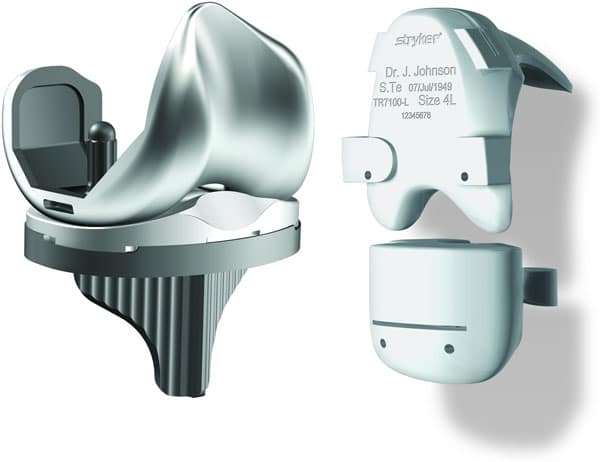
Knee replacement surgery is meant to relieve pain and improve mobility, but when surgical tools used during the procedure are defective, the outcome can be very different. That’s what happened with the Stryker ShapeMatch Cutting Guide, a device once used to assist surgeons in total knee replacement surgeries. Instead of improving accuracy, flaws in its software led to surgical errors, and in many cases, long-term complications for patients.
The device was pulled from the market following a Class I recall by the U.S. Food and Drug Administration (FDA). The Food and Drug Administration (FDA) has the most serious type of recall.
If you had knee replacement surgery between 2011 and 2013 and are now experiencing pain, instability, or need a second surgery, this recall may apply to you. Understanding the risks and your legal options is the first step toward getting the care and answers you deserve.
The ShapeMatch Cutting Guides were single-use, disposable surgical tools designed to assist surgeons in aligning knee implant components during total knee replacement surgery. These guides were customized for each patient using pre-operative imaging and an online planning application.
However, software defects in the system caused mismatches between the surgical plan and the cutting guide that was actually produced.
The parameters of the manufactured cutting guides may not meet the surgeon’s pre-operative planning parameters entered via a web application.
This meant the depth of cuts and angles used during surgery often did not match the surgeon’s intended plan, which could result in improper alignment of the implant.
In April 2013, the U.S. Food and Drug Administration (FDA) classified this as a Class I recall, the most serious type of recall.
The FDA classified this as a Class I recall, meaning the use of this device may cause serious injuries or death.
Stryker Orthopaedics discovered that two critical software defects resulted in inaccurate surgical cuts. These issues caused or contributed to:
By the time of the official recall, the FDA had received 44 incident reports related to the ShapeMatch device, including three medically reversible injuries.
As of the recall date, the FDA had received 44 reports of device-related incidents, including three cases involving medically reversible injuries.
The ShapeMatch Cutting Guides had already been withdrawn from use before the formal recall. Here’s a breakdown of how the situation unfolded:
|
Date |
Event |
| November 2012 | Stryker alerts field locations and registered surgeons to stop using the guide |
| January 2013 | Product notification sent to branches, surgeons, and hospitals |
| April 10, 2013 | Stryker issues Urgent Medical Device Recall |
| April 2013 | FDA designates it a Class I recall |
| August 2023 | FDA reaffirms adverse event data related to the device |
Patients who had knee surgery using this guide and now experience symptoms such as instability or pain should contact their surgeon immediately. – Stryker Urgent Medical Device Recall Notice, April 2013
Patients affected by the faulty ShapeMatch Cutting Guide may experience:
If you’re unsure whether your surgery involved this tool, requesting your medical records can help clarify which equipment was used during the procedure.
The recall raised critical legal questions around medical device safety and patient compensation. The ShapeMatch Cutting Guide defects fall under product liability law, which allows injured patients to seek financial recovery for harm caused by defective products.
Product liability law allows injured patients to seek compensation when a medical device fails to perform as intended due to design or manufacturing defects.
Patients may be eligible to recover:
If you had knee replacement surgery between 2011 and 2013 and are now experiencing unexplained symptoms, here’s what to do:
Graves McLain Injury Lawyers represents individuals harmed by defective surgical devices and recalled implants. Our attorneys collaborate with medical experts to review surgical outcomes, confirm product use, and determine whether the ShapeMatch Cutting Guide contributed to your complications.
We understand how life-changing these complications can be and offer confidential consultations to help you understand your options.
It’s a surgical tool used to help align knee replacement components based on pre-operative imaging.
It had software defects that caused inaccurate cuts, which could harm patients.
Ask your orthopedic surgeon or request your surgical records to confirm the tools used.
Ongoing pain, knee instability, swelling, or the need for revision surgery may indicate a more serious underlying issue.
Yes, if you were harmed, you may be able to seek compensation through a product liability claim.
Yes. Oklahoma has a statute of limitations for injury claims, so it’s essential not to delay speaking with an attorney.
The Stryker ShapeMatch Cutting Guide recall highlights the potential for software failures in surgical planning to cause real-world harm. If you’ve suffered ongoing issues after a knee replacement, you may not be alone, and you may have legal options.
At Graves McLain Injury Lawyers, our team helps patients pursue claims against companies that failed to ensure their products were safe. Reach out for a case review if you believe this device was used in your surgery and you’re now facing complications.