Attorney at Graves McLain Injury Lawyers
Practice Areas: Wrongful Death, Medical Malpractice, Bad Faith Insurance, Car Accidents, T-Bone Tractor-Trailer Accidents, Dangerous Drugs
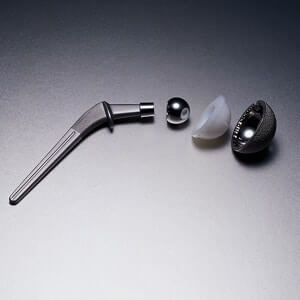
Thousands of patients once trusted metal-on-metal hip implants like Biomet’s M2a Magnum to improve their mobility and quality of life. But for many, the result was far from what was promised. Pain, metal poisoning, and the need for revision surgeries have led to lawsuits across the country—and a significant settlement from Biomet.
If you or a loved one had complications from a Biomet hip implant, here’s what you need to know about the history, the risks, and your legal options.
Biomet’s M2a Magnum was marketed as a high-performance hip replacement device. It featured a metal-on-metal design, which was supposed to offer better durability and longer lifespan. But over time, real-world results told a different story.
The problem with many metal-on-metal (MoM) implants, including Biomet’s, is that the metal components can grind together during everyday use. This creates tiny metal particles that shed into nearby tissue and, in some cases, the bloodstream.
Patients reported symptoms such as joint pain, swelling, difficulty walking, and general fatigue. These signs often pointed to a serious complication known as metallosis or metal poisoning.
In 2011 alone, the FDA received over 12,000 reports of complications linked to metal-on-metal hip implants—including Biomet’s M2a Magnum. — FDA Adverse Event Reporting System (FAERS)
As complaints mounted, it became clear that these devices were not performing as safely as claimed.
With so many people reporting injuries, lawsuits began piling up across the country. In 2012, a federal judicial panel consolidated many of these lawsuits into a single multidistrict litigation (MDL) process based in Indiana. The goal was to streamline the legal process for those affected.
Two years later, in 2014, Biomet agreed to settle the consolidated lawsuits for a total of $56 million. This settlement covered hundreds of patients who experienced complications from the M2a Magnum device.
Biomet agreed to a $56 million settlement in 2014 to resolve hundreds of lawsuits filed by patients harmed by its M2a Magnum Hip System. — U.S. Judicial Panel on Multidistrict Litigation.
While this settlement addressed many claims, not all cases were included. Some people may still be eligible to file a claim, depending on when their symptoms appeared and the specific facts of their situation.
Under product liability law, companies that design, manufacture, or sell medical devices have a legal duty to ensure those products are safe. If a product is defective and causes harm, the manufacturer can be held accountable.
Patients who have suffered complications from the Biomet M2a Magnum Hip System may be able to recover compensation for:
These cases often require strong documentation, expert testimony, and legal guidance.
Not all implant problems show up right away. In some cases, symptoms appear months or even years after surgery. If you’ve had a Biomet or other MoM hip implant, here are some warning signs that may suggest a problem:
Revision surgeries for failed implants are often more complex and carry higher risks than the original hip replacement.
Some common complications include:
|
Symptom or Complication |
Description |
Medical Risk |
| Pain and stiffness | Discomfort near the implant site | Limits mobility and daily activities |
| Metallosis | Metal particles in blood and tissue | Can lead to tissue damage and toxicity |
| Implant loosening | Device detaches from bone or shifts | Requires revision surgery |
| Swelling or inflammation | Around hip joint or thigh | May signal tissue reaction |
| Cobalt/Chromium poisoning | High levels in bloodstream | Can affect vision, hearing, heart |
| Revision surgery | Follow-up procedure to replace defective implant | Longer recovery, more complications |
If you’re experiencing any of these issues, consult your doctor right away. You may also want to discuss your legal rights with an attorney experienced in defective medical device claims.
Defective hip implant lawsuits aren’t like a typical injury claim. They involve medical records and product testing data and often require the input of experts in orthopedics, toxicology, or biomedical engineering.
Filing a lawsuit also requires understanding state laws. In Oklahoma, the statute of limitations for product liability is generally two years from the date the injury was discovered—or should have been found.
Because every case is different, it’s essential to contact a lawyer who can help which of you have a legal claim and guide you through your alternatives.
At Graves McLain Injury Lawyers, we’ve handled complex cases involving defective medical devices, including hip implants. Our legal team understands how these injuries affect every part of your life—from your health to your job to your family.
We have the resources to investigate your case thoroughly and the experience to represent you against large medical device companies.
It’s a metal-on-metal hip replacement implant once marketed as durable and long-lasting. Many patients later reported serious complications like joint pain, swelling, and metal toxicity.
In 2014, Biomet agreed to a $56 million settlement to resolve many of the federal lawsuits. Not all claims were included. Some individuals may still be able to file based on their unique situation.
You might still qualify if your symptoms began recently. In Oklahoma, you generally have two years from the time your injury was discovered. A lawyer can confirm your eligibility.
You may be eligible for payment of medical bills, lost wages, pain and suffering, and the cost of future care. The total amount depends on your specific injuries and needs.
These cases involve medical records, product safety issues, and expert testimony. A lawyer experienced in medical device lawsuits can guide your case from investigation to resolution.
The Biomet M2a Magnum Hip System was meant to restore movement and relieve pain, but for many patients, it did the opposite. If you’ve suffered complications from a metal-on-metal hip implant, you deserve answers—and possibly compensation.
Even though a significant settlement occurred in 2014, new claims may still be possible. An experienced attorney can help you understand your rights, gather the proper documentation, and explore your legal options.
Graves McLain Injury Lawyers has represented individuals across Oklahoma in complex product liability cases. If you’re concerned about a hip implant, our team is here to support you.
Please make an appointment for a free consultation with Graves McLain Injury Lawyers right now to find out how they can support your future.