Attorney at Graves McLain Injury Lawyers
Practice Areas: Wrongful Death, Medical Malpractice
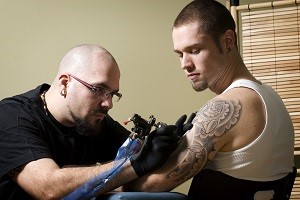
Getting a tattoo might seem like a simple personal choice, but it can carry unexpected health risks—especially when unsafe products are involved. A recent FDA recall has spotlighted tattoo inks and needles contaminated with harmful bacteria. This recall raises essential questions about tattoo ink safety and what people can do if they suffer from tattoo-related injuries.
Tattoos are more popular today than ever before. From teenagers to professionals, people from all walks of life are choosing to get inked. But even as tattoos become more common, the safety of tattoo ink often gets overlooked. Many assume that these products are regulated and tested. In reality, not all tattoo inks are created equal—or safe.
Over the years, infections linked to unsafe tattoo inks have become more common. For some, these infections can cause long-term health problems, including scarring, allergic reactions, or more serious medical issues.
In August 2024, the U.S. Food and Drug Administration (FDA) announced a recall of several tattoo inks and needles distributed by White and Blue Lion and Eternal Ink. Testing confirmed that sealed ink bottles and needles were contaminated with dangerous bacteria.
Tattooing poses a risk of infection to anyone, but the risk is particularly high for those with pre-existing heart or circulatory disease, diabetes, or compromised immune systems.
The FDA warned that using these contaminated products can result in skin infections and possibly more severe complications. The recalled inks and needles were sold nationwide and may still be in circulation at some tattoo shops or through online resellers.
As of August 7, 2024, the FDA has recalled multiple tattoo inks and needles due to confirmed bacterial contamination. These products were distributed under the White and Blue Lion and Eternal Ink brands.
If you’ve recently gotten a tattoo, it’s worth checking whether the products used were involved in this recall. The FDA’s official recall database has more details.
When bacteria enter the skin during the tattooing process, it can lead to a number of health problems. Mild cases may involve redness and irritation, while more severe reactions can require medical treatment or even hospitalization.
The FDA does not pre-approve tattoo inks. Consumers should be aware that some inks may contain harmful substances or bacteria, and adverse reactions can occur even months after application. — U.S. Food & Drug Administration, Consumer Safety Statement
People with chronic illnesses such as diabetes or heart disease may be more likely to experience complications. Some symptoms can appear right away, while others develop over time.
|
Symptom |
Severity |
Potential Consequence |
| Redness & Swelling | Mild | Usually resolves, monitor |
| Pus or Discharge | Moderate | May require antibiotics |
| Fever or Chills | Severe | Sign of systemic infection |
| Skin Rash or Irritation | Moderate | Possible allergic reaction |
| Sepsis (in rare cases) | Critical | Emergency medical care needed |
Many people assume that tattoo ink is FDA-approved. That’s not the case. While the FDA has the authority to regulate tattoo products under the Federal Food, Drug, and Cosmetic Act, it does not currently require pre-market approval for inks or needles.
This means unsafe ingredients or poor manufacturing practices can go unnoticed until someone is harmed. In recent years, the FDA has increased efforts to monitor and recall contaminated inks, but there are still gaps in oversight.
Understanding these limitations can help you ask better questions before choosing a tattoo artist or ink product.
If you developed an infection or illness after being tattooed with a recalled product, you may have legal options. Under Oklahoma product liability law, manufacturers and distributors can be held accountable for the harm brought on by unsafe or defective products.
A product may be considered defective due to:
If your case qualifies, you can recover reimbursement for pain and suffering, lost pay, and other costs. An experienced product liability attorney can investigate your claim, gather medical records, and identify whether a recalled product was involved.
Graves McLain Injury Lawyers have handled cases involving contaminated consumer goods and understand the challenges these injuries can bring.
Getting a tattoo is a personal choice, but it’s also a medical procedure. Before you commit, take a few precautions to lower your risk of complications.
Ask the tattoo artist which brand of ink they use. Check whether it appears on any FDA recall lists. Make sure they open new, sterile equipment in front of you. If the shop doesn’t offer clear answers, consider choosing another studio.
After getting a tattoo, monitor the area closely. If any symptoms of infection develop, don’t delay seeking medical care. Prompt treatment can prevent complications.
No, tattoo inks are not FDA-approved before being sold. The FDA can take action if a product is found to be unsafe, but it doesn’t test or certify inks in advance.
Visit the FDA’s official recall site and search for the brand or lot number. If you’re unsure, ask your tattoo artist or studio for product information and verify it.
See a doctor as soon as possible. Common signs include redness, swelling, discharge, and fever. Keep any receipts or packaging to help identify the ink used.
Yes, you may be able to file a product liability claim if contaminated or defective tattoo products injure you. A lawyer can review your case and help you understand your options.
White and Blue Lion and Eternal Ink were included in the August 2024 FDA recall due to bacterial contamination. These products were sold across the U.S.
Yes, people with diabetes, heart disease, or weakened immune systems are more likely to experience severe complications from infected tattoos.
Tattoo ink recalls remind us that not all personal care products are free of risks. When harmful ingredients or bacteria are present in tattoo inks or needles, the results can be serious. Infections, hospitalizations, and long-term health issues are all possible outcomes.
If you’ve been affected by a recalled tattoo product, you don’t have to handle it alone. Product liability laws in Oklahoma allow you to seek accountability for preventable harm. Graves McLain Injury Lawyers understand the legal and medical issues tied to these cases and can help you explore your legal rights with care and attention.